Alberta Blocks Election Betting as Province Prepares Regulated iGaming Launch
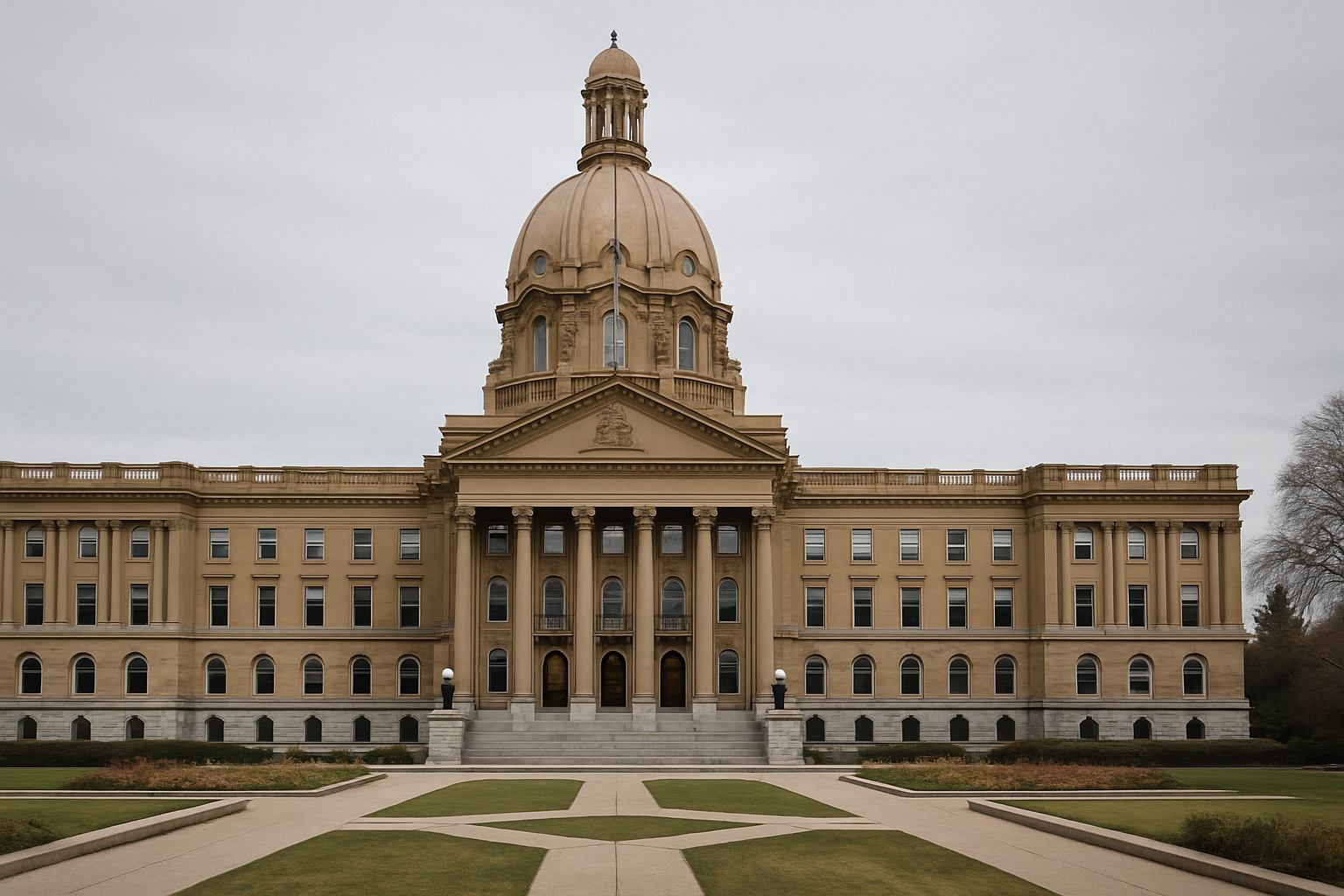
Alberta’s gambling regulator has confirmed it will prohibit wagering on political events when the province launches its regulated iGaming market, setting it apart from Ontario’s approach where election betting remains available to licensed operators.
Alberta Gaming, Liquor & Cannabis (AGLC) issued a bulletin this week announcing the policy amendment, which specifically bans betting on elections and other political outcomes. The decision comes as Alberta follows Ontario’s regulatory framework for its market launch, though with notable differences on what punters can actually bet on.
Following Ontario’s Blueprint, With Modifications
The province passed the iGaming Alberta Act last year, becoming Canada’s second jurisdiction to establish a regulated online gambling market after Ontario opened its doors in 2022. Minister Dale Nally, who championed the legislation, made it clear the goal is protecting existing gamblers rather than creating new ones.
“A significant number of Albertans are potentially being preyed upon by grey-market sites,” Nally stated when approving the legislation. “Our goal is not to create new gamblers but to make existing online gambling safer.”
Nally confirmed Alberta is largely following Ontario’s regulatory model, calling it “an open and free market.” But the province has clearly decided to chart its own course on election betting. Ontario operators including FanDuel have offered odds on federal elections without issue, making Alberta’s prohibition a deliberate departure from the established Canadian precedent.
Prediction Markets Present Enforcement Challenge
The ban on licensed sportsbooks offering election markets doesn’t necessarily prevent Alberta residents from accessing such wagers through prediction market platforms.
Polymarket, which operates outside traditional gambling regulation, saw over $120 million traded on markets for Canada’s next Prime Minister last year and continues offering odds on Quebec’s upcoming general election. Other jurisdictions that prohibit election betting have struggled to contain Polymarket’s reach. The Netherlands demanded the platform cease operations last month after residents wagered on Dutch elections. Meanwhile, Argentina banned the service this week amid suspicions that government insiders were trading on inflation-related markets.
Whether Alberta will pursue similar enforcement measures against prediction platforms remains unclear. Rival service Kalshi has preemptively blocked Canadian access to its site.
Market Potential Remains Strong
Despite the political betting restriction, operators remain enthusiastic about Alberta’s market prospects. Rush Street Interactive CEO Richard Schwartz has noted that Albertans show the highest per-capita gambling spend in Canada. That demographic advantage gets strengthened by the province having both the youngest adult population and highest per-capita GDP in the country.
Industry estimates suggest Alberta’s regulated gambling market could generate over $700 million annually once fully established. The province’s focus on channeling existing grey market activity into licensed operators should provide a solid foundation for growth, even if the range of available markets will be slightly narrower than Ontario’s offering.
Minister Nally struck a cautious tone regarding market expansion, particularly concerning younger demographics. “For Albertans who choose not to gamble, the best option is to not start,” he said, adding that the province’s responsibility is “to regulate, not grow, the gambling market.”
The approach reflects a careful balance between creating a competitive regulated environment and maintaining political control over sensitive betting markets. As Alberta’s launch date approaches, operators will be watching closely to see how other policy differences from the Ontario model emerge.