When Bingo Sites Ask for ID: Understanding Player Verification
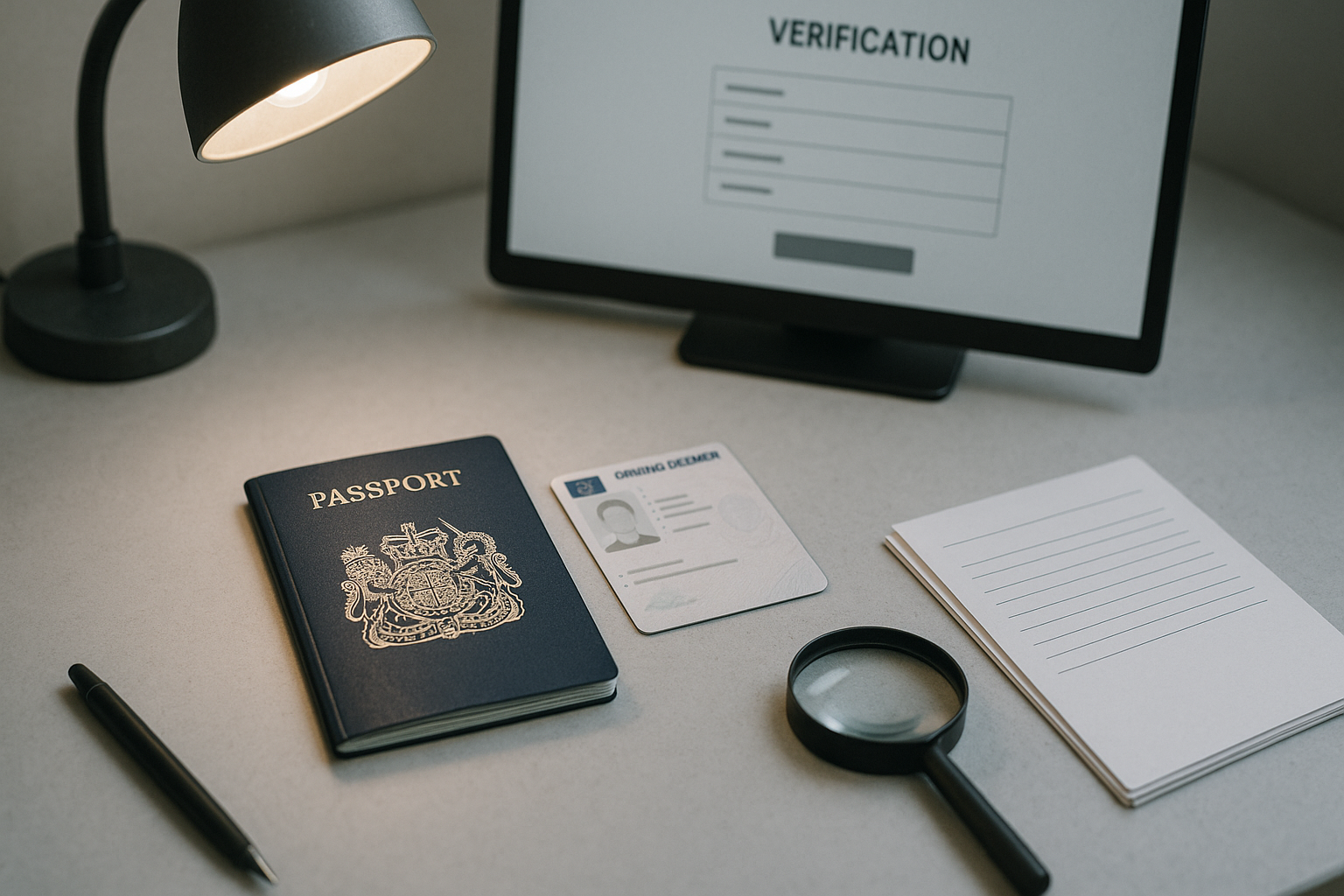
You’ve probably noticed it if you’ve signed up for an online bingo account recently: the verification process is genuinely thorough these days. Most UK bingo operators now require ID checks at various points, and honestly, understanding when and why these happen saves you real frustration later on.
The Initial Sign-Up Stage
When you first create an account, bingo sites grab your basic details: name, address, date of birth. Here’s the thing, though—many operators won’t ask for full document verification straight away. They’ll let you poke around the site, claim your welcome offers, and even play some games with just that initial information. It’s a deliberate call by the bigger brands like Gala, Mecca, and Foxy Bingo to keep friction low and get players in the door fast.
Before Your First Withdrawal
And this is where verification gets serious. Before you can cash out any winnings, you’ll need to hand over official ID. That’s usually a passport, driving licence, or national ID card. Most sites also want a utility bill or bank statement to prove your address. It’s a regulatory requirement under UK Gambling Commission rules, and frankly, it applies across the entire industry without exception.
The timeline depends on the operator. Some finish these checks within 24 hours. Others might need up to five working days, particularly if they’re verifying documents by hand.
Ongoing Compliance Checks
After your first withdrawal, bingo sites run what’s called “continuous monitoring.” If your account activity looks unusual, particularly large deposits or withdrawals, rapid changes to your details, or sudden login patterns from different regions, you might get flagged for additional checks. It’s there to protect both you and the operator from fraud and money laundering.
What You Need to Know
- Keep your documents handy. Clear, readable images of both sides of your ID speed up verification considerably.
- Address verification usually means a recent bill or bank statement from the last three months.
- Rejected documents normally come back with guidance on what to provide instead.
- Some sites now use automated verification tech that processes documents in minutes rather than days.
Granted, it feels like a hassle when you’re desperate to play. But these checks exist to protect your account and keep the industry legitimate. The best operators have streamlined the whole thing so you’re only held up by minutes, not hours.
What the team thinks
Sheena McAllister says:
Carl’s made a solid practical guide here, though I’d add that the nuance around “delayed verification” deserves closer scrutiny from a compliance perspective, operators are increasingly adopting risk-based verification models under UKGC expectations, which means the timing and depth of checks can vary significantly depending on deposit amounts and player behavior patterns. What players should understand is that this isn’t operators being lenient, it’s sophisticated anti-money laundering strategy working in their favor, and the more transparent operators are about these verification touchpoints, the smoother the experience becomes for everyone involved in the regulatory ecosystem.