World Cup Fever Drives Brazilian Betting Engagement to Record Levels
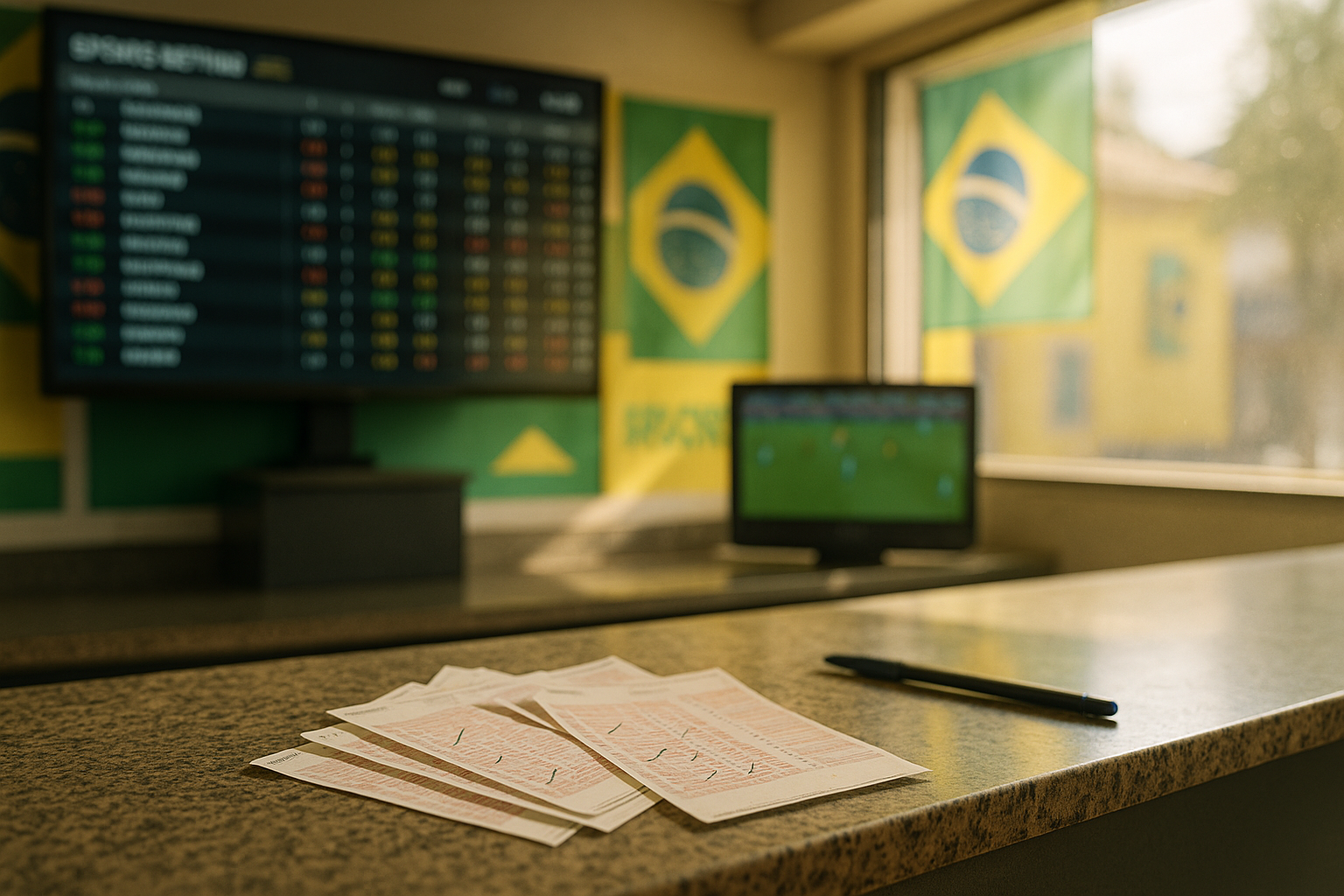
Brazil’s sports betting market exploded during the 2026 FIFA World Cup. New data paints a striking picture: deposits to licensed platforms nearly tripled compared to the pre-tournament period. According to fintech firm Klavi, which analysed Central Bank of Brazil Open Finance data, 34.8% of Brazilian bettors made deposits after the tournament kicked off. Back in May, that figure sat at just 11%.
Betting Behaviour Shifts During Tournament Play
The study tracked transaction patterns across 1.2 million individuals, and it shows just how powerfully major sporting events drive engagement in Brazil’s regulated betting space. What really stands out, though, isn’t just the raw volume increase. The average deposit values climbed significantly too. By late June, a typical bettor was depositing BRL 272 per transaction. Before the tournament? BRL 188.
Clear temporal patterns emerge from the data. More than 60% of deposits came through after 6:00 p.m., perfectly aligned with World Cup broadcast schedules. Peak engagement hit on June 14, the day after Brazil’s match against Morocco, when average deposits jumped to BRL 524. Only 10% of transactions happened during morning hours. The tournament, frankly, dictated when Brazilians engaged with betting platforms.
Concentration and Regulatory Scrutiny
There’s something else worth flagging: the top 10% of active bettors transferred 20 times more money than the remaining 90% combined. This concentration reflects broader industry dynamics where a handful of high-engagement users generate disproportionate value for operators.
One caveat: Klavi’s analysis only covers authorised operators. The firm reckons illegal platforms still capture nearly half of all Brazilian wagers. So the regulated market’s real growth trajectory remains partly hidden beneath the shadow betting sector.
Advertising Standards Under Review
Such explosive growth didn’t slip past regulators. Brazil’s Ministry of Finance launched administrative proceedings against bet365, Betnacional, and KTO after they allegedly violated advertising rules during CazéTV’s World Cup coverage. The Secretariat of Prizes and Betting found several operators manufactured artificial urgency to place bets while using illegibly small fonts for mandatory risk and age-restriction warnings.
The ministry ordered an immediate stop to non-compliant advertising on CazéTV, in line with guidance from the National Advertising Self-Regulation Council. Under Law 14,790/2023, Brazil’s betting framework legislation, operators face fines up to BRL 2 billion. The government’s also reportedly developing additional advertising restrictions. The message is clear: as the regulated market matures, promotional standards will tighten.
What the team thinks
Carl Mitchell says:
These figures are impressive, but they tell only half the story on player value that I think matters most in the Brazilian market. While the tripling of deposits shows real engagement, we need to understand what’s happening to those funds, whether responsible gambling measures kept pace with that surge, and crucially, what the retention rates look like beyond the tournament buzz. From my decade covering UK betting, I’ve seen how major sporting events create short-term deposit spikes that don’t always translate to sustainable, profitable player relationships for operators or healthy betting habits for punters, so the real question is whether Brazil’s licensed platforms used this traffic influx to build long-term value or just chase quick wins.