Chicago Video Gaming Push Hits Council Resistance Over Revenue and Safety Fears
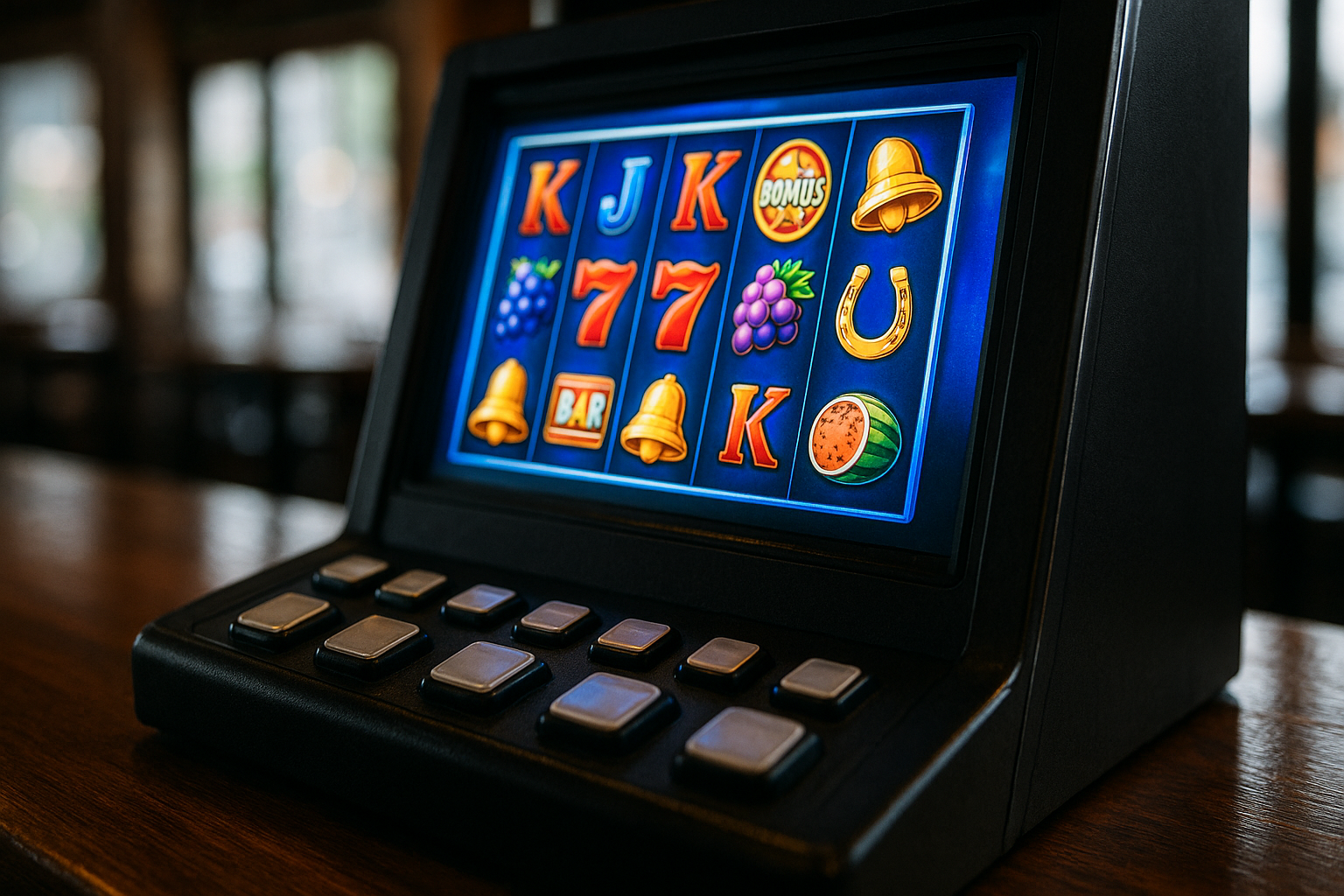
Chicago’s bid to bring video gaming terminals into neighbourhood bars and restaurants has hit unexpected opposition at City Council, where aldermen are split over whether the machines will deliver promised revenue or create more problems than they solve.
The dispute centres on terminals that have been common across Illinois for years but banned outright in Chicago. Now, as the city looks to legalise them as part of its 2026 budget strategy, several ward representatives want to block the devices from their districts entirely.
Council Overrides Ward Requests
Six aldermen introduced local ordinances to ban the machines in their wards, covering the 26th, 27th, 28th, 33rd, 35th, and 49th districts. The License Committee rejected every proposal. That caught many council members off guard.
Alderman Jason Ervin, who sought to keep the terminals out of his West Side ward, said he’d rarely seen the council override a ward-based request. Traditionally, members defer to the local alderman on issues specific to their area.
This case breaks that pattern, suggesting deeper divisions over the policy.
Budget Hopes Meet Revenue Doubts
The machines feature in Chicago’s $16.6 billion budget plan for 2026. Supporters reckon they’ll create a steady tax stream by spreading small-scale gaming across neighbourhood businesses. The theory is sound: distribute the revenue base, capture some of what currently goes to venues outside city limits.
Reality may not match the projections. Mayor Brandon Johnson and other officials have expressed doubt about the income potential. More concerning for the city’s gaming industry, Bally’s Corporation warns the move could cost Chicago up to $74 million annually and threaten over 1,000 jobs tied to its planned $1.7 billion casino resort.
That’s a real risk. The city approved Bally’s project expecting it to anchor a proper gaming destination. Flooding the market with terminals in every tavern could cannibalise that investment before it opens.
Security and Social Concerns
Several aldermen have pointed to problems in other Illinois communities where video terminals operate. Local authorities report increased burglaries targeting the machines, which hold cash and can be lucrative targets. Plus, there are concerns about problem gambling in neighbourhood settings where the barriers to play are lower.
Chicago now faces a proper balancing act. Raise revenue without undermining major casino investments, introduce new gaming options without creating security headaches, and satisfy both pro-expansion and cautious council members. The License Committee’s rejection suggests the administration wants the machines citywide, but ward-level resistance indicates this debate is far from settled.
The fundamental question remains: will these machines generate meaningful revenue, or will Chicago end up with the social costs and security concerns while watching projected income fail to materialise?
Other cities have learned that lesson the hard way. Chicago would do well to examine their experience before committing fully to this expansion.




What the team thinks
Carl Mitchell says:
Chicago’s caution here is understandable given the city’s history with gambling regulation, but aldermen need to look at the actual data from the rest of Illinois where these terminals have been operating for years without the sky falling in. The revenue potential is real and measurable, but what concerns me more is whether the proposed operator licensing framework gives independent venues a fair shake or just hands the lot to big gaming companies. If they’re going to do this, they need to ensure local publicans get proper access to quality machines at reasonable rates, otherwise it’s just another corporate carve up that leaves neighbourhood establishments on the outside looking in.