Chile’s Tax Authority Stands Firm on Online Betting Collection Despite Political Backlash
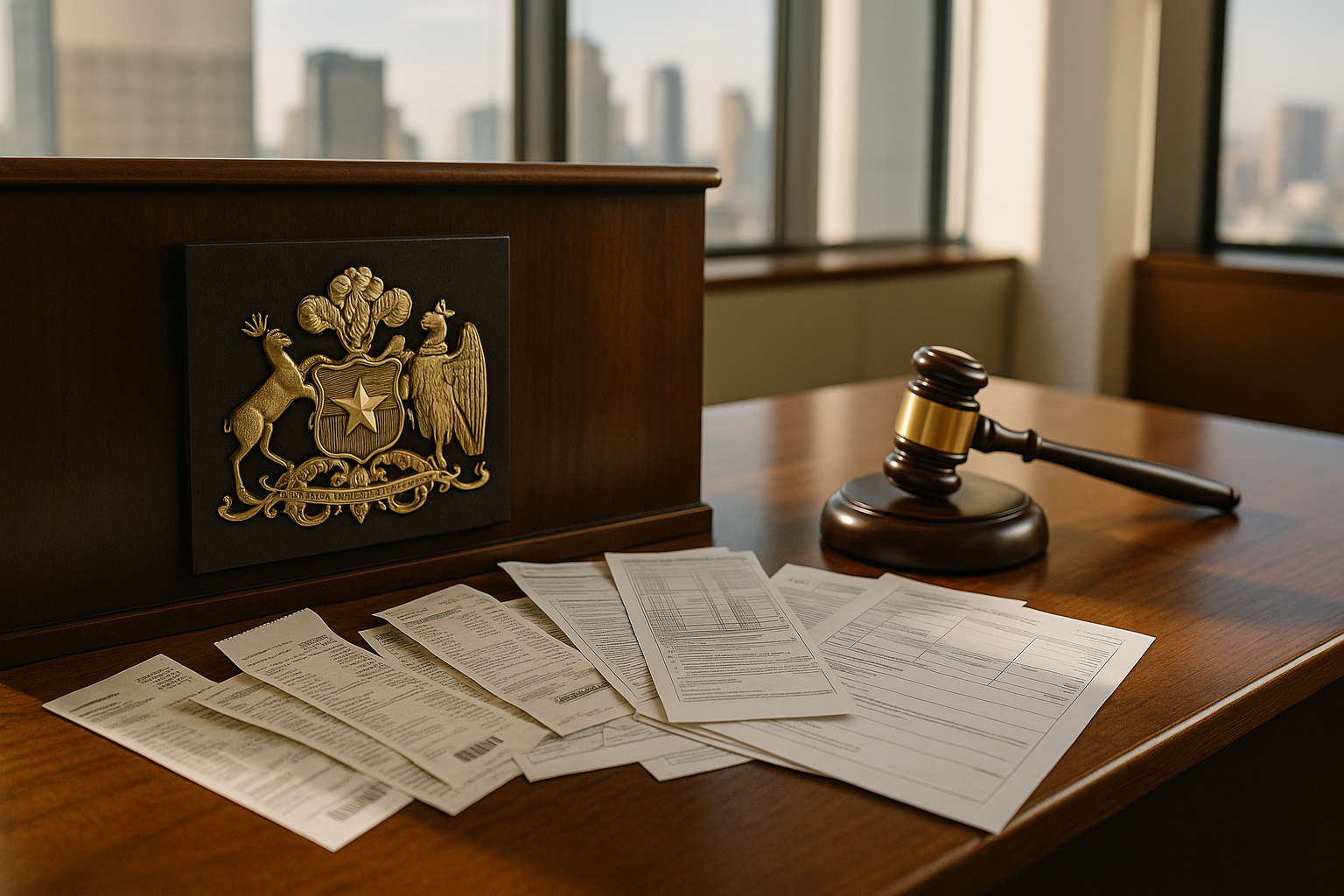
Chile’s tax authority is sticking to its guns on collecting taxes from unlicensed online betting operators, insisting that revenue collection and regulatory legitimacy are two entirely different things. The position has sparked a genuine political firestorm that could reshape how the country handles the booming but legally murky iGaming sector.
The Tax Collection Argument
Jorge Trujillo, director of Chile’s Internal Revenue Service (SII), appeared before the Senate’s Economy Committee to defend Resolution No. 69. The resolution creates a registration and tax payment mechanism for foreign online betting platforms operating within Chilean borders. Pragmatic, really; operators are clearly servicing Chilean customers and generating taxable revenue, regardless of whether the Supreme Court has ruled their activities unlicensed.
“Online betting companies are a clear activity that has attracted our attention,” Trujillo explained. “We verified that these operations are taking place and we have created a specific mechanism for collecting taxes.” The SII’s position treats tax compliance as a revenue imperative, something entirely separate from the broader question of whether such platforms should legally exist at all.
Political Resistance and the Legitimacy Question
Opposition has been swift. Vociferous, even. Senator Gastón Saavedra, who chairs the committee, argues that the tax framework effectively legalises an activity the Supreme Court explicitly prohibited. “We consider this as a legalization of an activity that is illegal,” he stated, framing the resolution as a dangerous signal that contradicts court rulings.
Congressman Diego Ibáñez went further, comparing the SII’s approach to taxing drug trafficking or illegal street vendors. The analogy is inflammatory, granted, but it does highlight something real: a genuine constitutional tension about whether a tax authority can implicitly validate prohibited conduct through revenue collection mechanisms.
What Comes Next
The Senate’s Economy Committee has scheduled additional hearings. They’re expanding the discussion to include the Superintendence of Gaming Casinos and a detailed analysis of the Supreme Court’s position. This broader inquiry suggests lawmakers are preparing for a more comprehensive regulatory framework that could either formalise the iGaming sector or tighten enforcement against unlicensed operators.
Chile sits at a crossroads familiar to many jurisdictions: economic reality has outpaced legal infrastructure. Customers are betting online. Operators are profiting. The state is missing revenue. How policymakers reconcile these facts with constitutional principles will set the tone for the region’s approach to digital gambling regulation.