Chilean Authorities Uncover Widespread Illegal Casino Gambling Among Public Officials
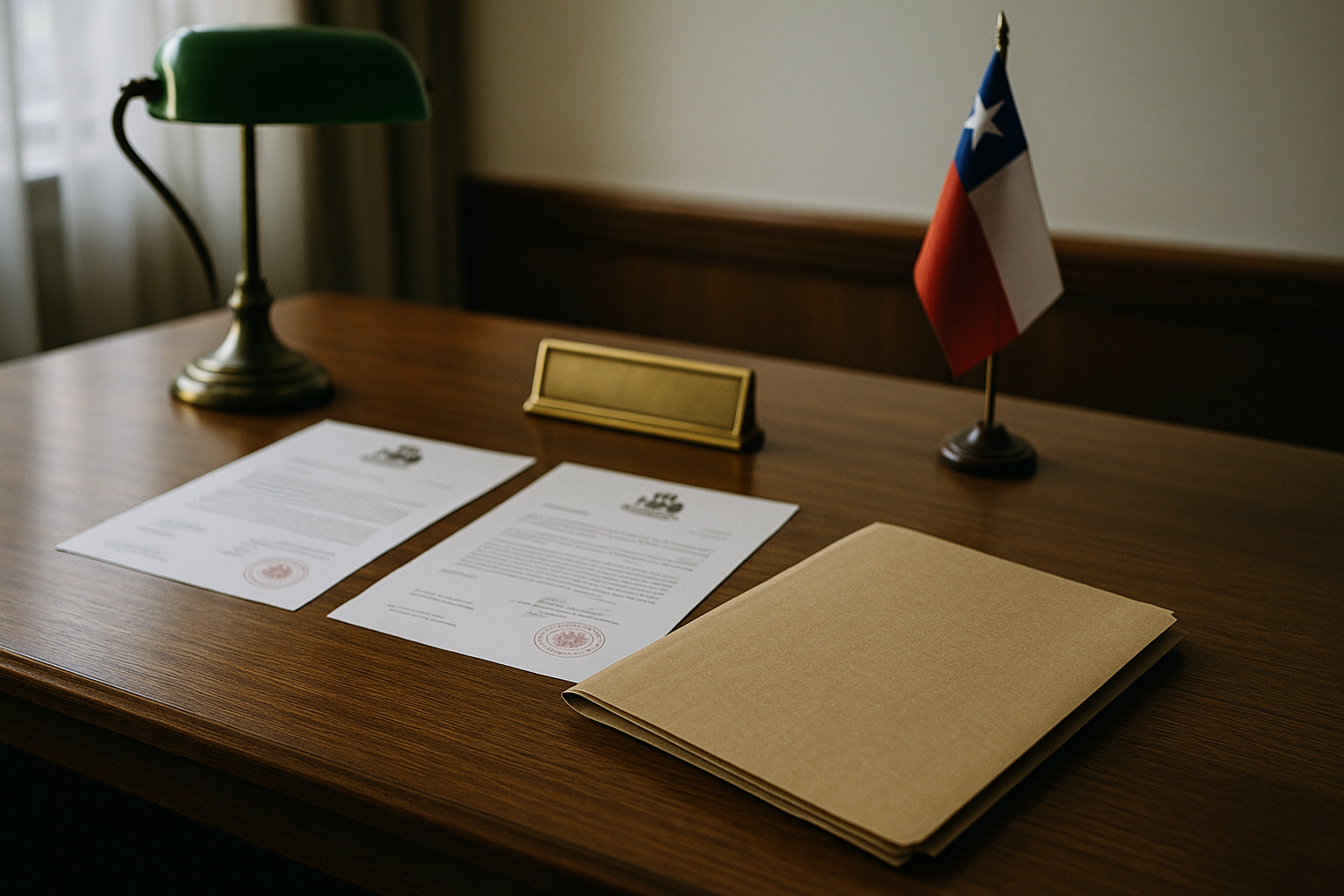
Chilean authorities have uncovered a significant compliance breach involving nearly a thousand government officials who allegedly violated legal prohibitions against casino gambling while holding positions managing public funds. The Comptroller General’s Office has revealed that 910 officials wagered more than 11.49 billion pesos (approximately £11.3 million) at casinos between January 2024 and June 2025, despite clear legal restrictions.
The findings emerged from cross-referencing two datasets: officials required to provide financial guarantees for managing public resources, and customer records from the Superintendence of Gaming Casinos. What the data revealed has prompted not only administrative action but the possibility of criminal prosecution.
Legal Framework and the Rationale Behind It
Chile’s Law No. 19,995 explicitly prohibits individuals with custodial or administrative responsibility for public funds from engaging in any form of casino gambling, whether directly or through third parties. The legislation aims to protect collective resources and prevent officials from exposure to environments that could compromise their fiduciary duties.
The logic here is pretty straightforward. Those entrusted with managing taxpayer money should not be placing themselves in situations where financial pressures or conflicts of interest could arise. Casino gambling, with its inherent risks and potential for significant losses, presents exactly such a scenario.
Concentration of Activity Raises Red Flags
While 910 officials were identified in total, the distribution of betting activity has attracted particular scrutiny. Just 181 individuals accounted for 96.8% of the total wagered amount, exceeding 11.1 billion pesos.
Within that subset, 20 officials were responsible for 5.39 billion pesos in bets.
The most striking case involves a Chilean Air Force member who placed bets totalling 1.04 billion pesos, a sum that immediately raises questions about the source of funds and the nature of the gambling activity. Such figures suggest this may extend beyond recreational gambling into territory warranting serious investigation. Honestly, numbers like that demand answers.
Criminal Investigation Launched
The Comptroller General’s Office has determined that the scale of some wagers suggests potential criminal conduct rather than simple administrative infractions. Evidence has been forwarded to both the Public Prosecutor’s Office and the State Defence Council to assess grounds for criminal prosecution.
At the same time, the Comptroller has notified 371 institutions employing the identified officials, including police forces, the Air Force, treasury departments, investigative agencies, and municipal bodies. These organisations have been instructed to launch internal proceedings that may result in sanctions up to and including dismissal.
Regulatory Coordination and Operator Responsibilities
The list of 910 individuals will be shared with the Superintendence of Gaming Casinos, enabling the regulator to exercise supervisory and sanctioning powers over casino operators who accepted wagers from legally prohibited individuals. This aspect highlights potential compliance failures on the operator side as well.
The case underscores the importance of robust know-your-customer procedures and effective data sharing between regulatory bodies. Casino operators in Chile may face questions about their verification processes and whether adequate checks were in place to identify and refuse wagers from individuals holding positions managing public funds. Granted, verifying such status isn’t always simple, but that’s hardly an excuse.
Broader Implications for Governance
This investigation reveals systemic weaknesses in monitoring compliance with existing legal prohibitions. The fact that such widespread violations occurred over an 18-month period suggests insufficient internal controls and oversight mechanisms within public sector institutions.
The case is likely to prompt reforms in both public sector governance and regulatory coordination. It may also establish important precedents for enforcement and accountability, showing that violations of fiduciary duty will be pursued through both administrative and criminal channels.
For Chile’s gambling industry, the episode serves as a reminder that compliance frameworks must be rigorous enough to identify and exclude prohibited individuals, regardless of the administrative burden involved. As regulatory scrutiny intensifies globally, operators cannot afford gaps in their verification systems. Bottom line: the stakes are too high.