Entain Wants Gambling Commission Licences Required for UK Trademark Registration
Entain reckons there’s a major loophole the UK Intellectual Property Office needs to close: unlicensed gambling operators can register trademarks and build credibility with British consumers without any regulatory scrutiny whatsoever.
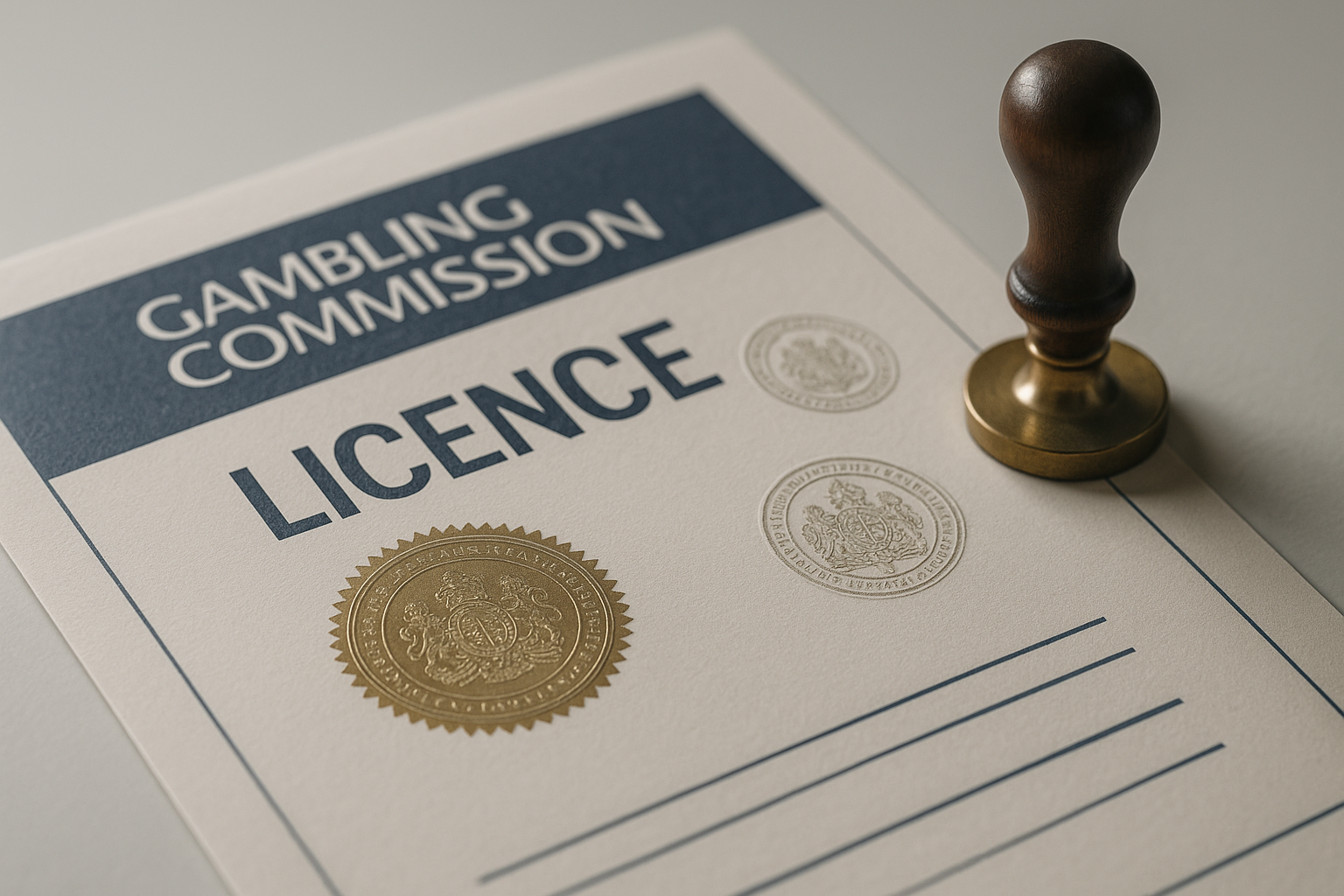
The FTSE 250 outfit has formally pushed the UKIPO to require proof of a valid Gambling Commission licence before approving any trademark application in gambling-related categories. In short, it wants to tie regulatory compliance directly to intellectual property protection.
The Credibility Problem
Entain’s argument is pretty straightforward. A UK trademark registration gives a brand legitimacy and recognition, full stop. Even if that operator has zero legal right to offer gambling services here. Black market operators registered in places like Curaçao or Anjouan have managed to secure UK trademark protection without Gambling Commission approval, the company argues. That gives them cover to target British punters while operating entirely outside the regulated framework.
Simon Zinger, Entain’s group general counsel and chief customer care officer, has been driving this campaign. His thinking: trademark protection should mirror how other regulated sectors operate. Financial services firms can’t claim certain terms without regulatory sign-off. Why should gambling be any different?
The UKIPO’s Pushback
The UK Intellectual Property Office hasn’t budged. It’s maintained that its job is to assess whether a trademark itself breaches law or public policy, not to police the wider regulatory status of the applicant. The UKIPO pointed out that existing frameworks already allow for objections where needed. They’ve stopped short of agreeing that operator licensing should become a prerequisite for registration.
That said, Entain reckons there’s still room to manoeuvre within current legislation. The company believes existing rules could be interpreted more strictly without needing a wholesale legislative overhaul.
Part of a Bigger Picture
This push sits within Entain’s broader campaign against unlicensed gambling activity. The operator has been active on multiple fronts: lobbying sports bodies over sponsorship standards, pushing regulators on advertising controls, and generally trying to shape the scene in favour of licensed operators.
We’ll see if the UKIPO shifts position. For now, the trademark loophole stays wide open.
What the team thinks
Philippa Ashworth says:
Hartley’s piece captures an astute strategic move by Entain, though I’d argue the real story here runs deeper than trademark gatekeeping, it’s about establishing regulatory moats that protect licensed operators from the reputational damage unlicensed competitors inflict through seemingly legitimate branding. While requiring Gambling Commission licensing for IP registration is sensible consumer protection on its surface, the industry should recognize this could set a precedent for regulatory bodies worldwide to weaponize IP frameworks, potentially creating barriers that ultimately slow innovation and market entry for legitimate new players. The more constructive conversation ought to focus on how the UKIPO, Gambling Commission, and operators can collaborate on transparency mechanisms that preserve fair competition while genuinely protecting consumers, rather than letting market incumbents dictate the terms of IP eligibility.