Germany’s World Cup Gamble: Can Regulated Betting Compete With Offshore Rivals?
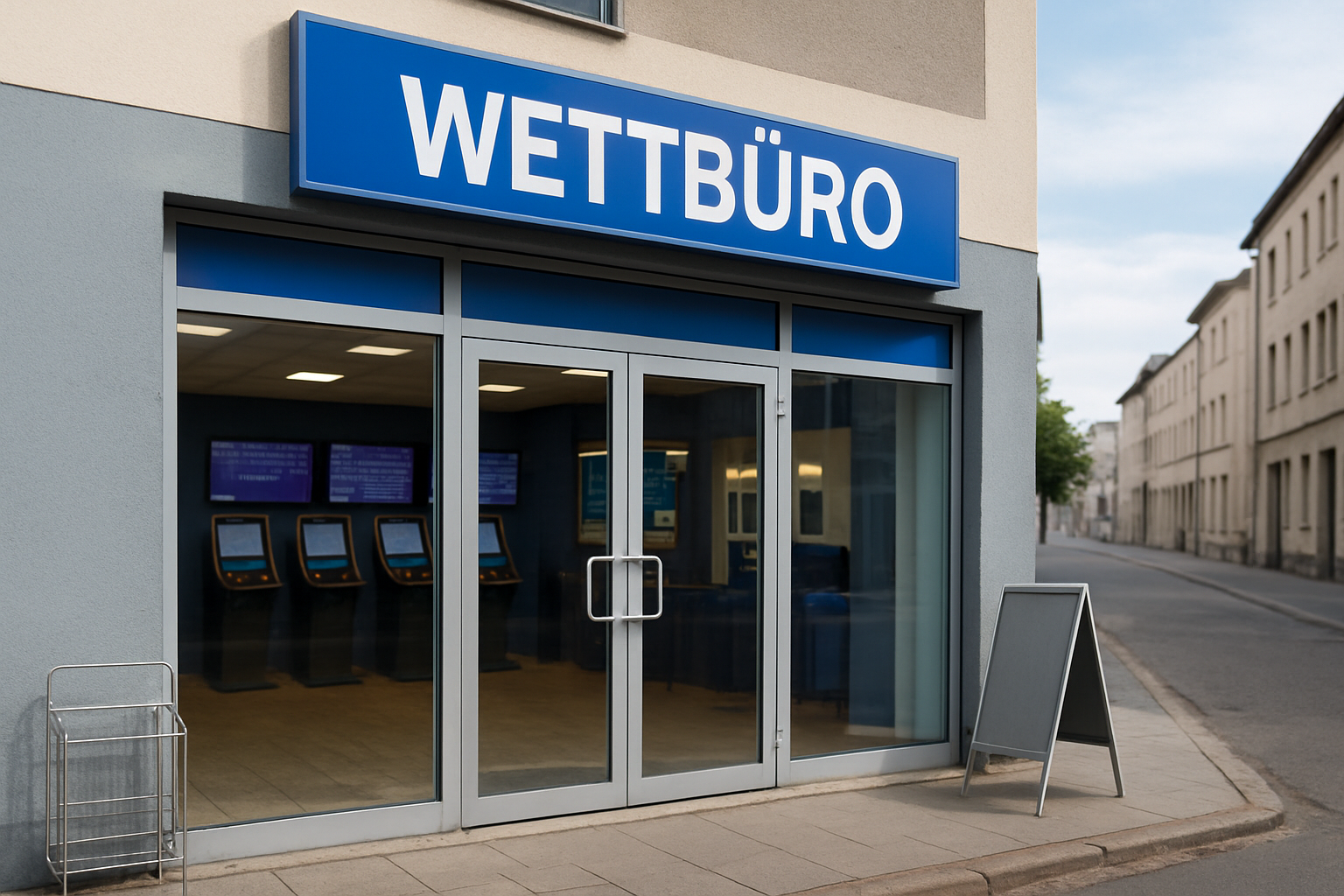
Germany’s licensed sports betting sector is at a crossroads heading into 2026. The FIFA World Cup is coming, and industry estimates put the tournament’s betting turnover among German customers somewhere north of €1 billion. But here’s the uncomfortable question hanging over everything: how much of that cash will actually stay within the regulated market?
The Deutscher Sportwettenverband (DSWV), which represents licensed online sportsbooks, reckons €300 million to €400 million in wagers could slip away to unlicensed offshore operators. That leaves maybe €600 million to €700 million for regulated companies. For an industry still working out whether Germany’s gambling framework is fit for purpose, the World Cup is both a massive opportunity and a potential wake-up call about what’s broken in the current setup.
A Structural Disadvantage
Licensed operators keep making the same complaint, and it’s hard to ignore. Germany’s regulatory environment, rolled out in July 2021, puts them at a disadvantage against offshore rivals. The 5% tax on betting stakes eats into margins precisely when they’re competing hardest for customers against platforms that operate with far fewer constraints. Then there’s the €1,000 monthly deposit cap and restrictions on live betting products, both of which make regulated offerings look distinctly less appealing.
The in-play betting market shows this problem in its starkest form. German-licensed sportsbooks simply cannot offer the micro-betting markets you find all over Europe. Bets on individual player actions, certain goalscorer options, specialist wagering options—customers looking to stay regulated can’t touch any of it. That’s a pretty clear incentive to look elsewhere.
Offshore operators, by contrast, face fewer marketing constraints and can promote themselves far more aggressively during major sporting events, when everyone’s paying attention. The playing field isn’t tilted by design. It’s tilted because of regulatory blind spots.
The Regulator’s Dilemma
Germany’s Gemeinsame Glücksspielbehörde der Länder (GGL) has focused on advertising compliance, responsible gambling measures, and consumer safeguards. All legitimate priorities, granted. But the DSWV argues those moves don’t actually tackle the structural issues driving customers offshore.
Federal and state authorities are expected to discuss how the framework should evolve. The industry wants a proper reassessment of rules it claims are inadvertently boosting the black market they were meant to kill off. Whether regulators will listen is still an open question.
The World Cup will serve as an unusually precise test. If the DSWV’s projections prove right, Germany will have a highly visible snapshot of how well the regulated market is capturing demand, and how much keeps leaking to operators working outside its reach.
What the team thinks
Baz Hartley says:
Philippa’s nailed the core tension here, but I’d push back slightly on the framing: the €300-400 million leak isn’t really an offshore problem, it’s a competitiveness problem that Germany’s operators have some control over. Having spent years analyzing bonus mechanics across European markets, I’ve seen that regulated operators often lose customers not because of licensing fees or taxes, but because their promotional offerings and odds competitiveness simply don’t match what punters find offshore, and that’s fixable without regulatory changes. If German licensed operators want to stem that World Cup migration, they need to audit their complete customer experience against offshore competitors, not just complain about the playing field.