IGT Cuts 700 Jobs as New Boss Restructures After Mega $6.3bn Merger
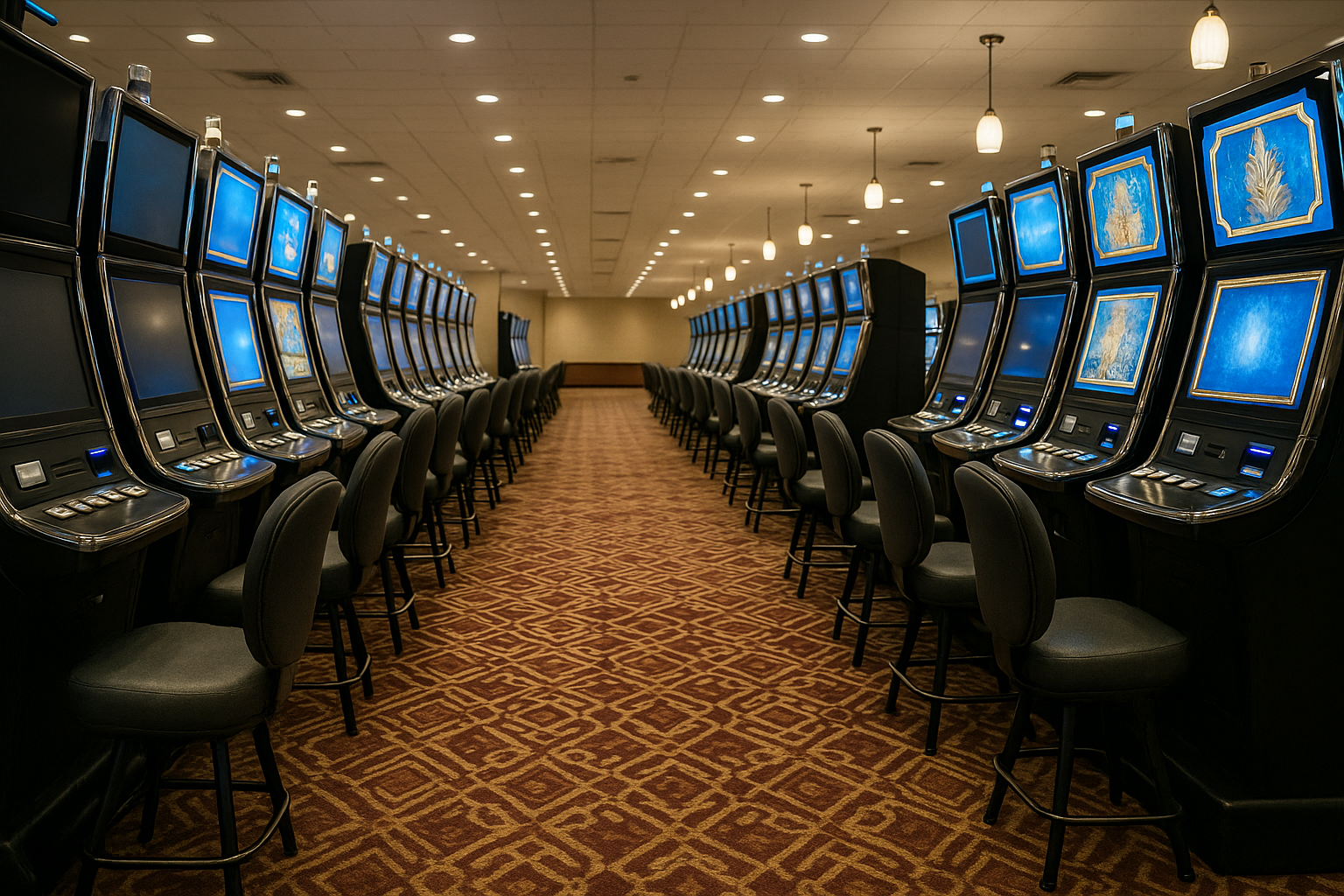
International Game Technology is laying off around 700 employees, roughly 10% of its global workforce, as newly appointed CEO Hector Fernandez moves quickly to reshape the business following last summer’s massive $6.3bn acquisition by Apollo Global Management.
The announcement came in a letter to staff on Monday, with Fernandez stating the cuts are part of a wider reorganization designed to streamline operations and eliminate duplication across the company’s worldwide offices in London, Las Vegas, Rome, and beyond.
Fast Action From New Leadership
Fernandez, who took the reins in December after running Aristocrat Gaming, hasn’t wasted time assessing the newly merged operation. He told employees that senior executives had conducted a rapid evaluation of the business structure since a company-wide town hall meeting late last year, examining areas of focus, operational processes, and how the current setup supports overall strategy.
The conclusion? That 700 positions needed to go.
Fernandez stressed these weren’t performance-related redundancies but rather a “difficult but necessary step” to position IGT for future growth in what he called “a changing industry.”
IGT hasn’t publicly specified which departments or regions will bear the brunt of the cuts, though the company employs staff across multiple continents in game development, sales, operations, and support functions.
Post-Merger Integration
The layoffs come seven months after Apollo Global Management completed its acquisition of IGT’s gaming business and Everi Holdings in a deal that ranked among the largest in gambling supplier history. Apollo’s plan was always to merge the operations, combining IGT’s legendary slot portfolio with Everi’s fintech and casino technology capabilities.
That integration is now taking shape under a three-division structure: Gaming, FinTech, and Digital. The Gaming arm includes some of the most recognizable titles in casino history. IGT built its reputation over decades with groundbreaking products like Cleopatra, Da Vinci Diamonds, and Golden Goddess, alongside innovations that helped define modern gaming, from pioneering video poker in the 1970s to creating area-wide progressive jackpots and launching branded content with Wheel of Fortune slots.
Fernandez’s message emphasized leveraging these strengths while competing “with focus and discipline” in an evolving marketplace. Translation: Apollo wants a leaner, more efficient operation that can move faster and compete harder against rivals.
Industry-Wide Pressure
IGT isn’t alone in tightening its belt. Games Global, the supplier behind big hits like Mega Moolah, Immortal Romance, and Thunderstruck II, announced redundancies back in October following its own business review. The company didn’t specify numbers but made clear it was responding to market conditions.
The pattern suggests suppliers are adjusting to a maturing market where growth requires efficiency gains as much as innovation. After years of expansion, particularly through the online boom, companies are now consolidating, cutting overlaps, and focusing resources on core strengths.
For the 700 IGT employees losing their jobs, that’s cold comfort. But for Apollo and Fernandez, the bet is clear: reshape now, compete better tomorrow. Whether that formula works will depend on how well the merged business performs once the dust settles and the new structure beds in.



What the team thinks
Baz Hartley says:
While 700 job losses are always difficult to hear about, this kind of restructuring is fairly standard post-merger territory, especially after a deal of that magnitude. What players should watch is whether this reorganization affects game quality, RTP standards, or bonus structures on IGT titles, because streamlining operations can go either way. If they’re cutting redundant admin roles but keeping development and compliance teams strong, it might actually lead to better products reaching the market faster.