Japanese Police Target Yakuza Gang’s Illegal Slots Network in Multi-Prefecture Crackdown

Japanese authorities have raided offices belonging to the Inagawa-kai, one of the country’s three largest yakuza syndicates, as part of an escalating crackdown on underground gambling operations linked to organized crime.
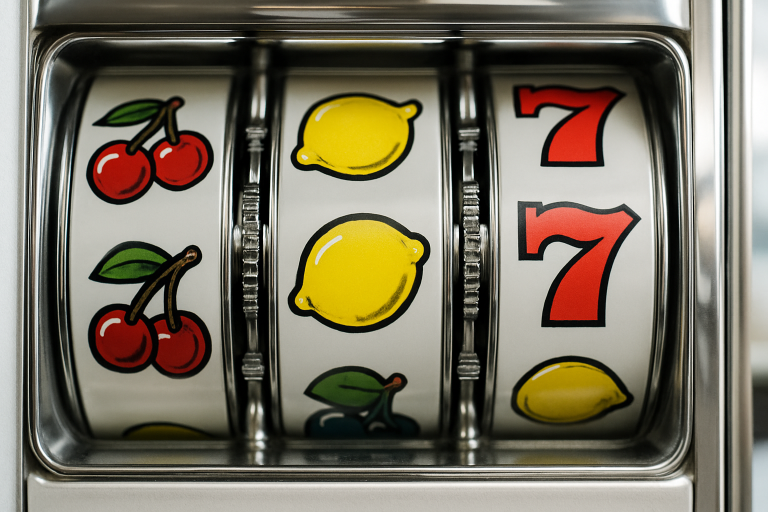
The coordinated operation saw heavily armed officers from Aichi and Kanagawa prefectures storm the gang’s Yokohama headquarters following the April bust of an illegal slots parlor called Royal in Nagoya’s Sakae district. Three individuals were arrested at the original raid site, including suspected ringleader Masato Hori, 39, who police believe ran a network of at least five unlicensed gambling venues across Aichi Prefecture.
Multi-Million Yen Operation
Investigators estimate the operation generated a minimum of 28 million yen, roughly £140,000. Strong evidence suggests proceeds helped fund the Inagawa-kai’s broader criminal activities. The gang, founded in 1949 and boasting approximately 1,600 members concentrated around Tokyo and Yokohama, has long been associated with gambling, extortion, blackmail and narcotics trafficking.
According to FNN, the three suspects face charges related to encouraging habitual gambling. Authorities indicate their investigation remains active and could lead to additional arrests. Police have declined to discuss statements made by those detained, citing concerns about compromising ongoing enquiries.
Wider Enforcement Push
The slots network bust forms part of a broader law enforcement offensive against Inagawa-kai operations. Just days after the Yokohama office raid, officers arrested two gang members, aged 44 and 33, for allegedly dealing stimulants in a hardware store car park in Tsurumi Ward. Police say the men had been using the location for drug transactions since December, selling banned substances to a 45-year-old Filipino national when apprehended.
Both Kanagawa and Aichi police forces have publicly committed to intensifying their pursuit of the syndicate’s criminal enterprises across multiple prefectures. And they’re clearly not messing about.
Timing and Context
The timing proves particularly significant for Aichi Prefecture, which is currently preparing a proposal to develop one of Japan’s authorized integrated resort casinos. The national government has approved plans for three legal IR projects nationwide, with only MGM Osaka receiving the green light so far. That resort is scheduled to welcome its first guests in 2030.
For Aichi’s bid to stand any chance, regional authorities know they need to demonstrate firm control over illegal gambling operations. Cracking down on yakuza-run slots parlors sends a clear message that the prefecture can manage the regulatory challenges that come with hosting a legitimate casino resort.
The contrast between Japan’s emerging legal gambling sector and its persistent underground market highlights the complexities facing policymakers. Integrated resorts promise tourism revenue and economic development, granted. But shutting down established criminal networks remains an ongoing battle for law enforcement across the country.