Jeju Casino District Faces Crackdown on Illegal Currency Exchanges Targeting Chinese Gamblers
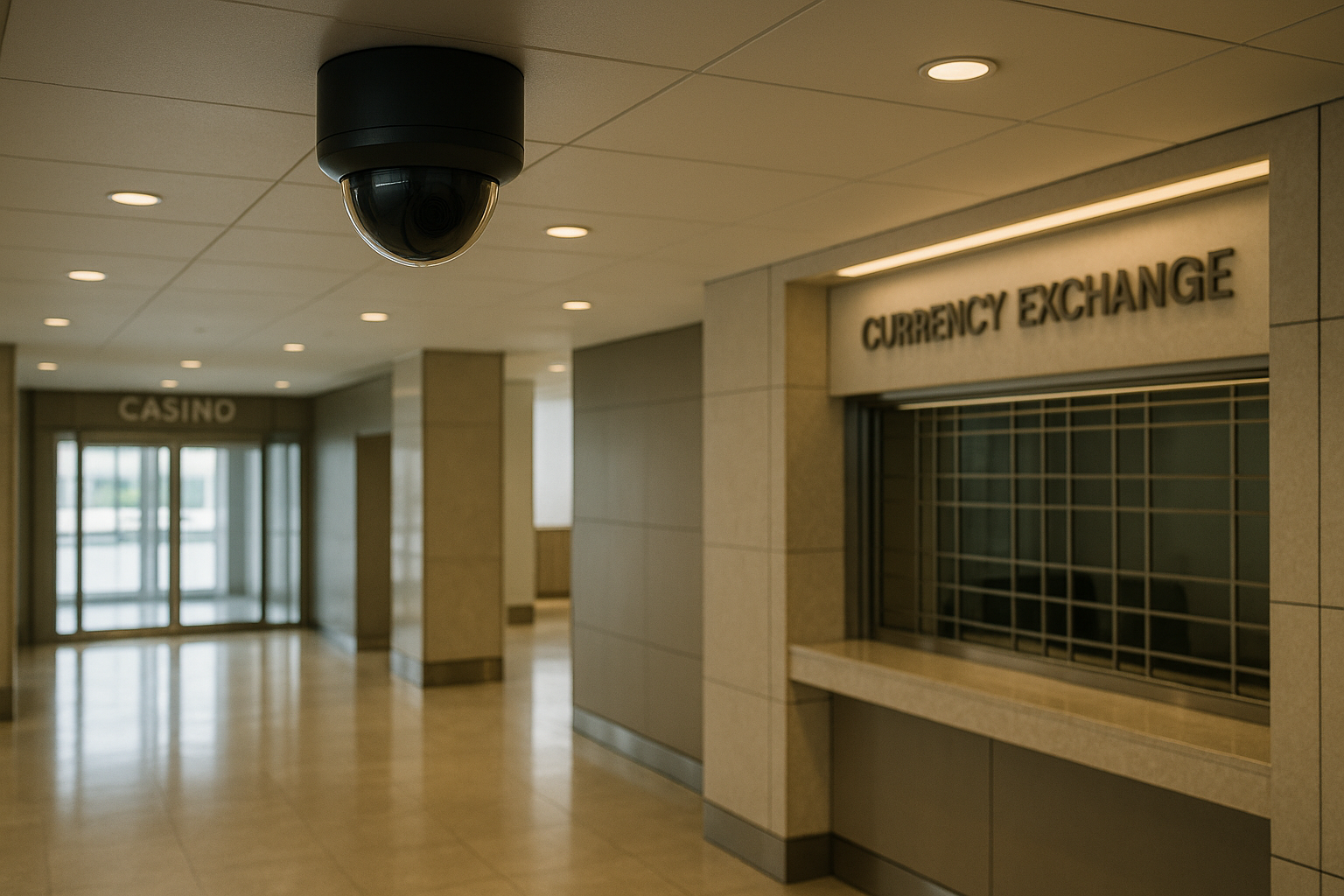
South Korean authorities are stepping up enforcement against illegal currency exchanges on Jeju Island, where eight foreigner-only casinos have become a magnet for unlicensed money operators targeting Chinese gamblers. The Jeju Metropolitan Police Agency announced this week it’s launching enhanced security measures as casino-related crime continues to rise across the popular resort island.
The crackdown comes as visitor numbers have surged nearly fourfold between 2022 and 2024, reaching 662,976 arrivals last year. Casino revenues hit $324 million during the same period. That’s created a thriving market for both legitimate gaming and the illegal financial services that have followed in its wake.
Violence and Fraud Follow Illegal Money Operators
Police say illegal currency exchanges are doing far more than just moving money across borders. These operations provide unlicensed loans and facilitate remittances that exceed South Korea’s legal limits, often serving undocumented immigrants alongside casino patrons trying to shift large sums back to China without official scrutiny.
The consequences have turned serious. In November, three illegal currency exchangers were arrested after holding a Chinese woman captive for two hours in a hotel room at one of Jeju City’s luxury casino properties. She’d arrived to exchange $87,000 worth of yuan for won, only to find herself trapped in what should have been a straightforward transaction.
Another case from February saw a Chinese man in his 50s lose 30 million won (roughly $20,000) to a scammer posing as an illegal exchange operator on WeChat. The victim handed over the cash believing it would be safely transferred to China.
The operator vanished immediately after taking the money.
Casino Debts Leading to Violent Crime
The stakes have proved deadly in some instances. Just over a year ago, three Chinese nationals were arrested for allegedly stabbing an illegal currency exchange operator to death in an attempt to repay casino gambling debts. Police say the trio made off with around $57,000 in cash, casino chips, and other valuables.
Authorities warn these aren’t isolated incidents. The police spokesperson made clear that illegal currency exchange activities regularly lead to serious crimes, including fraud, kidnapping, confinement, extortion, and assault. It’s a pattern that’s emerging as Jeju’s casino district continues to grow.
New Enforcement Measures Rolled Out
In response, Jeju police are launching a dedicated WeChat channel where visitors can report suspected currency exchange crimes to the Foreign Affairs Police Force. Officers will also ramp up awareness campaigns on social media platforms popular with foreign visitors, particularly those from China.
Promotional posters urging the use of official financial institutions will appear at casinos and other venues where large currency exchanges commonly take place. The message is straightforward: using illegal exchanges puts you at risk of violent crime that can endanger your life and property.
Jeju Province officials are backing the effort with special inspections at casinos to verify compliance with entry procedures. A similar campaign last year uncovered 15 violations, which suggests the problem extends beyond street-level money changers.
Wider Security Concerns at Jeju Casinos
The currency exchange crackdown follows other high-profile incidents at Jeju’s casino properties. Police arrested several Chinese nationals in September after what they described as a riot involving roughly 50 Chinese gamblers and casino employees. The melee erupted after a player accused a croupier of rigging a card game.
With visitor numbers expected to keep climbing and casino revenues showing no signs of slowing, Jeju police say they anticipate illegal currency exchange crimes will increase further. The province’s eight casinos remain a major draw for Chinese tourists. But authorities are making it clear that the infrastructure supporting illegal financial activity around those properties won’t be tolerated.




What the team thinks
Baz Hartley says:
While the enforcement focus on illegal currency exchanges is necessary, what concerns me more is how these operations exploit players who don’t understand the proper channels. South Korea needs to balance legitimate access to gaming funds with proper oversight, because when players feel forced into grey market exchanges due to complexity or inconvenience, that’s when the real problems start. The casinos themselves should be pushing harder for streamlined, transparent currency services that keep their customers safe and within legal boundaries.