Las Vegas Sands’ Texas Casino Campaign Stalls as Anti-Gambling Republicans Hold Primary Ground
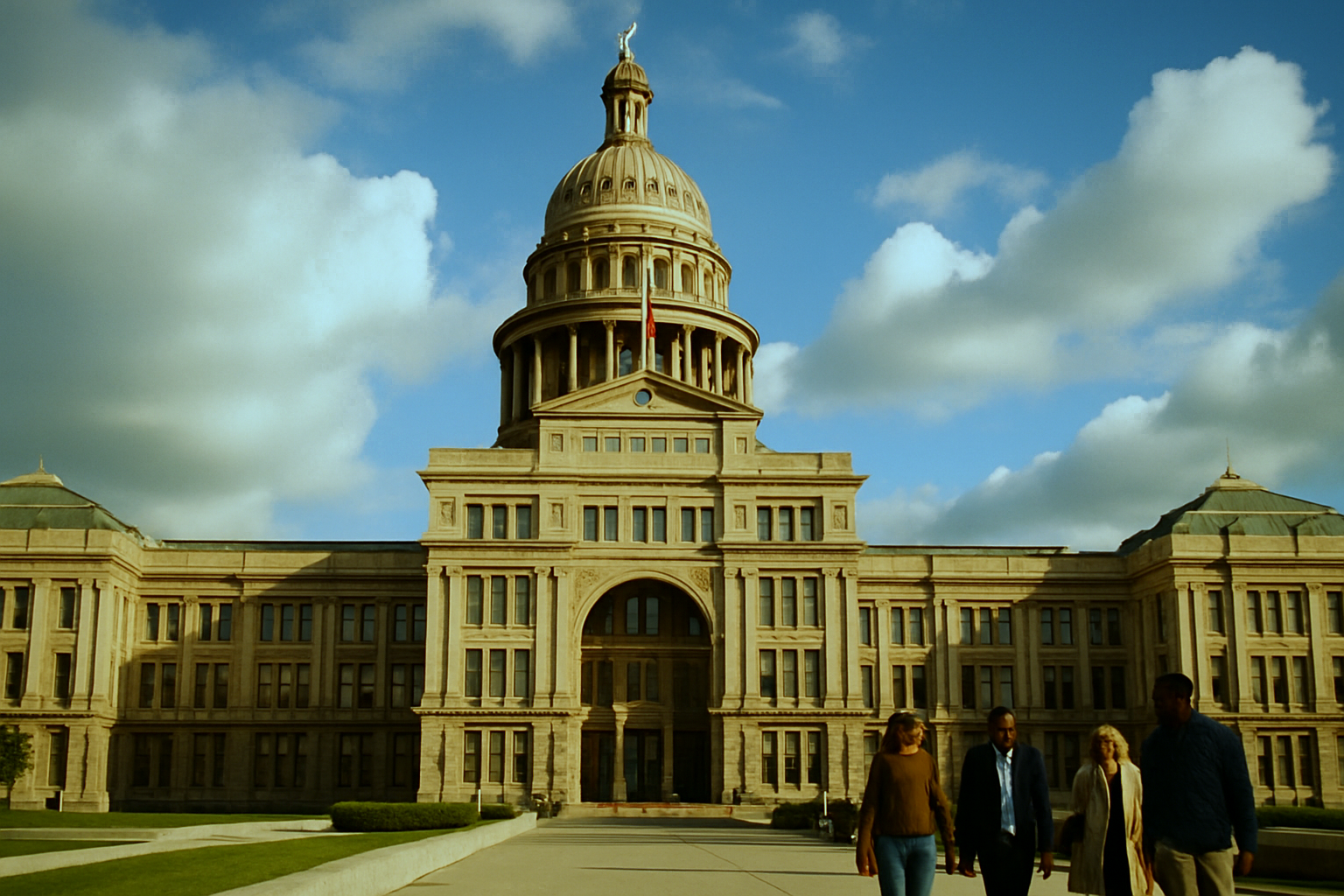
The latest Texas primary election results have handed Las Vegas Sands a pretty serious setback in their multi-million dollar push to legalise casino gambling in the Lone Star State. Anti-gambling Republican incumbents sailed through their primaries, comfortably beating challengers backed by the casino giant’s political action committees.
Republican state representatives David Lowe, Terri Leo-Wilson, Mark Dorazio, and Andy Hopper—all vocal opponents of gambling expansion—saw off primary challenges despite facing candidates supported by billionaire Miriam Adelson’s Las Vegas Sands operation. In the open race for House District 94 in Tarrant County, anti-gambling activist Cheryl Bean secured the Republican nomination. She beat opponents funded by Texas Sands PAC and Texas Defense PAC, super PACs bankrolled by the casino operator.
The results highlight the persistent political headwinds facing casino legalisation efforts in Texas. Conservative resistance has repeatedly blocked expansion proposals across multiple legislative sessions.
Strategic Setback for Sands’ Texas Ambitions
Mark Jones, a political science fellow at Rice University, offered a stark assessment of the situation. “If the prize is destination resort casinos in Texas, Las Vegas Sands is now further away from it in 2026 than they were in 2023,” he told the Texas Tribune.
The political landscape looks particularly challenging following Lt. Gov. Dan Patrick’s successful bid for a fourth term. Patrick presides over the Texas Senate and has consistently blocked gambling legislation from reaching the Senate floor during both the 2023 and 2025 sessions. His continued tenure suggests the current legislative deadlock could persist well into the next session.
Expensive Campaign Yields Limited Returns
Las Vegas Sands has committed extraordinary resources to shifting Texas political sentiment on casino gambling. Adelson injected $18 million into Texas elections last summer alone, splitting the funds equally between Texas Sands PAC and Texas Defense PAC. The former made direct campaign contributions, whilst the latter funded mail campaigns, digital outreach, and voter contact programmes.
Despite the substantial investment, the returns proved disappointing.
Republican businessman Kyle Morris, the largest non-incumbent beneficiary of Texas Sands PAC funding, lost his challenge against Lowe by more than 27 percentage points despite receiving $140,000 in support. Nathan Watkins similarly fell short against Leo-Wilson by 25 points after receiving $110,000 from the PAC.
These results follow November’s special election, where former Southlake Mayor John Huffman failed to advance to the runoff in the Senate District 9 race. He had $1.2 million in backing from Texas Sands PAC.
Long Game Strategy Remains Unchanged
Texas Sands PAC says it remains committed to its legislative strategy despite the electoral setbacks. “The long game matters, and Texas Sands PAC is playing to win,” the group stated following the primary results.
Andy Abboud, senior vice president of government relations for Sands, emphasised the company’s broader political objectives. “Our mission remains unchanged: trust Texas voters. We have and will continue to support candidates who are committed to a business-friendly environment that keeps the Texas economy strong, competitive, and growing.”
Political analysts suggest the potential market value justifies Sands’ persistence. Matthew Wilson, an associate professor of political science at Southern Methodist University, noted the economic stakes. “There’s enough to gain that they’ll continue to spend. If Texas does at some point open up to casino gambling, there will be an enormous amount of money to be made here in the state.”
The company has cultivated relationships with dozens of sitting legislators. Its PAC provided direct donations to more than 40 incumbents in the Texas House and Senate ahead of Tuesday’s election. However, Wilson observed that protecting friendly incumbents differs from shifting the overall legislative calculus. “They’ve been successful in protecting a lot of incumbents, but that doesn’t move the needle on the issues they care about.”
Policy Environment Complicates Outlook
Recent developments have further complicated the gambling debate in Texas. The state abolished its Lottery Commission this year following corruption allegations involving a winning ticket sold through an online courier. Some conservative lawmakers have also pointed to recent NBA gambling-related indictments when expressing concerns about expansion.
Any casino or sports betting legalisation would require voter approval through an amendment to the Texas Constitution. Public polling shows general support for legalisation, though Republican voters, who dominate state politics, are more divided on the issue.
With anti-gambling Republicans strengthening their positions and key opposition figures like Patrick securing another term, the path to Texas casino legalisation looks increasingly challenging for the foreseeable future. Las Vegas Sands may be playing the long game. But the current political board offers few clear routes to victory.