Macau’s World Cup Dip Won’t Derail Long-Term Recovery, Analysts Say
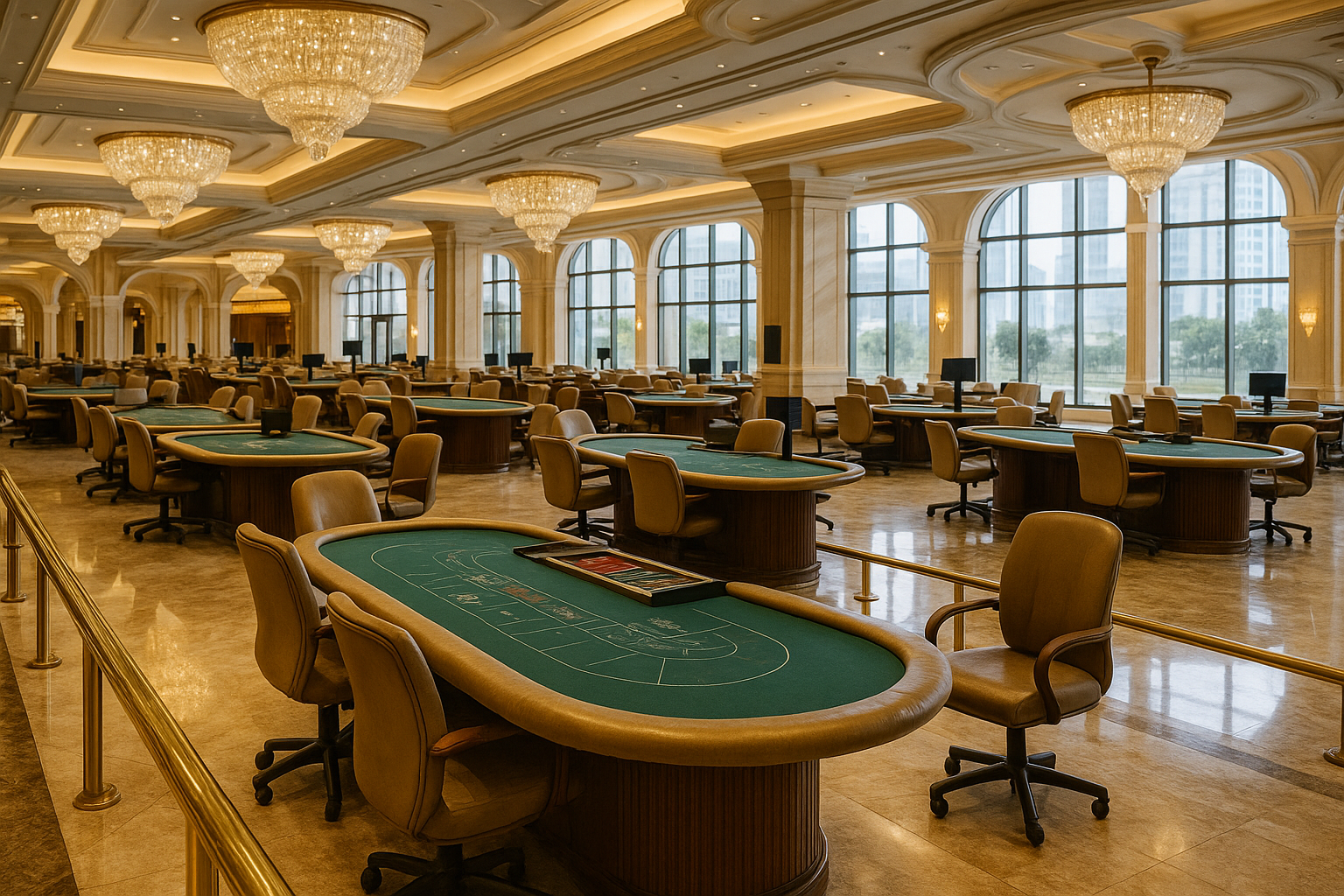
Macau’s casino revenue took a hit in June, but the consensus among analysts is clear: don’t panic. The slowdown is being chalked up largely to the World Cup pulling punters away from the tables, not any fundamental weakness in the market. That said, the numbers were genuinely soft. Revenues fell sharply year-on-year and month-on-month despite visitor numbers actually rising.
World Cup Distraction or Warning Sign?
Macquarie’s Chad Beynon frames this as a seasonal anomaly amplified by global football fever. When the World Cup is on, bettors’ focus shifts. It’s not rocket science. What’s more telling is that this temporary dip prompted Beynon to trim near-term expectations and revise price targets downward for US-listed operators heavily exposed to Macau, particularly Las Vegas Sands and Wynn Resorts. Even so, both retained “outperform” ratings. The market isn’t panicked.
Sands and Wynn’s valuations aren’t entirely Macau-dependent anyway. Sands has Marina Bay Sands in Singapore providing ballast, while Wynn’s Las Vegas operations remain solid. The revisions were modest, suggesting confidence that June was an outlier rather than a trend.
A Market Coming of Age
What’s really changed in Macau isn’t captured in a single month’s figures. The region is in a fundamentally different phase now. Gone are the days when high-rolling VIP junkets drove enormous revenues. The six concession holders are being squeezed to think differently about their business model.
Analyst commentary points to a transition underway: slower revenue growth but steadier EBITDA, stable customer numbers, and a clear regulatory push toward higher-quality spending rather than pure volume. The old model of a few ultra-wealthy players wagering astronomical sums is finished. The new model targets premium mass market customers who spend generously but with more predictability and sustainability.
The Real Question Ahead
One weak month doesn’t kill a region, but it does raise the harder question: what does sustainable growth in Macau actually look like? Revenues still lag pre-pandemic levels, and operators are investing heavily in non-gaming attractions. That’s expensive and requires patience.
Most analysts see the glass half full here. Yes, growth is slower and the transition has been painful. But it’s also less volatile and potentially more durable. Credit agencies have flagged spending risks, and there’s legitimate caution about whether investments will generate returns quickly enough. Still, the prevailing view is that Macau’s foundations are becoming more stable even if the headline growth rates won’t impress the way they once did.
The World Cup will be over soon enough. The real story is whether Macau can build a casino market that works when the next global distraction rolls around.