Michigan Doubles Down on Free Gamban Access After Rapid Uptake
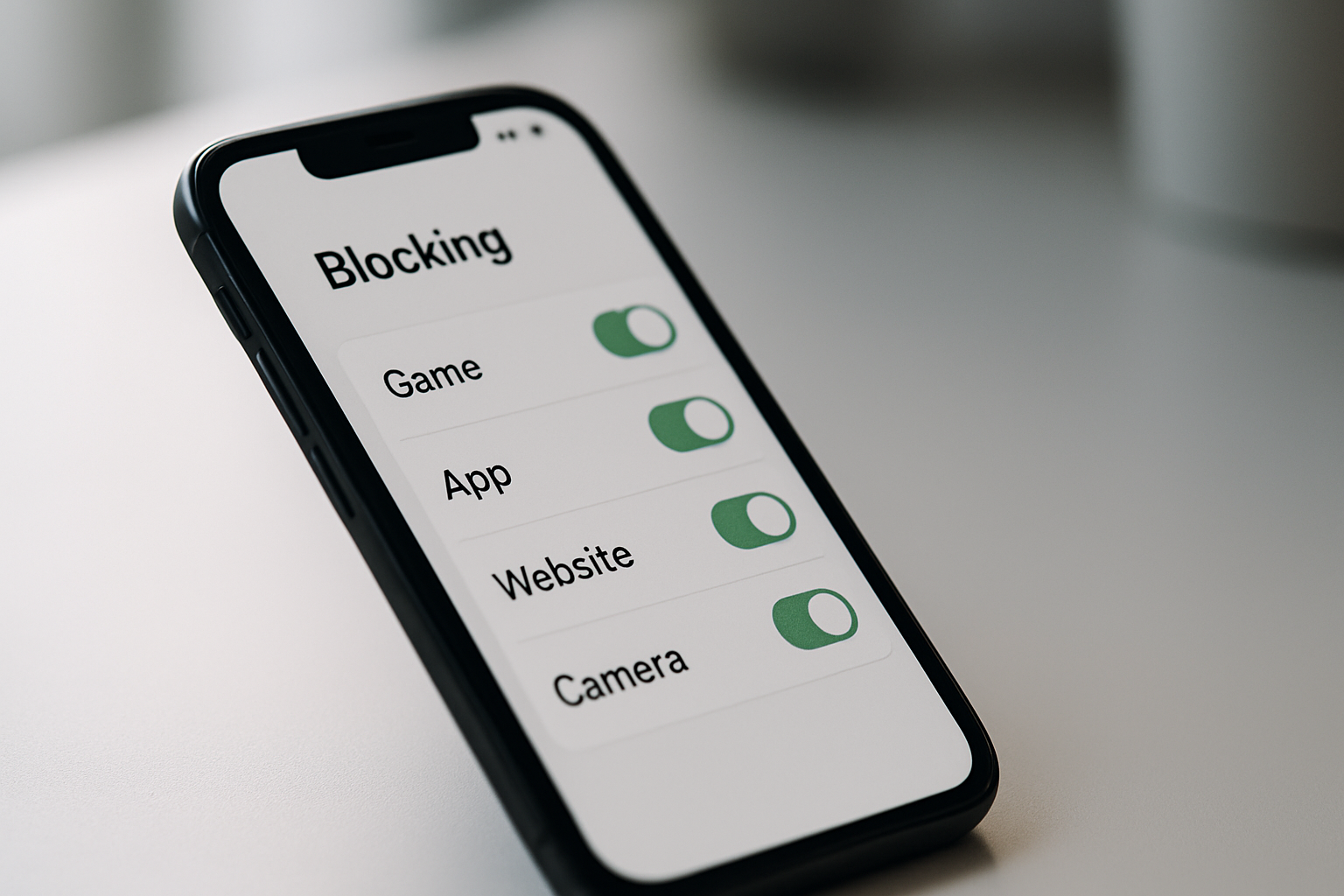
Michigan’s gaming regulator has moved fast to expand a free gambling blocking tool after unexpectedly strong demand in the first two weeks. The Michigan Gaming Control Board bought an additional 100 Gamban licenses following brisk takeup of its initial allocation. That signals genuine consumer interest in practical control measures.
Numbers Tell the Story
When the MGCB rolled out the first batch of free licenses last month, over 80 were claimed within a fortnight. That kind of response doesn’t lie. It shows residents are actively looking for straightforward ways to limit their gambling access, and aren’t being put off by complex bureaucracy or cost barriers.
Each license covers unlimited devices across a household. So a single activation protects phones, tablets, laptops, and desktops. Installation support and live technical assistance come included at no charge.
What Gamban Actually Does
The software operates as a fairly robust blocker, preventing access to gambling websites and apps across iOS, Android, Windows, and macOS. The tool is designed to be difficult to uninstall once deployed. That matters, because inconsistent protection undermines the whole point.
Beyond traditional operators, Gamban also blocks offshore platforms and the newer wave of social casino and digital wagering formats that increasingly blur category lines.
A Different Approach
What stands out is the no-strings-attached nature of the offering. Residents don’t need to formally self-exclude through the state scheme to access Gamban. It’s simply available, free, and voluntary. That removes friction for people who want control but might otherwise hesitate to trigger official registration processes.
MGCB Executive Director Henry Williams framed the expansion as part of Michigan’s broader commitment to managing gaming expansion responsibly. The reasoning is sound: if the state is licensing more operators and enabling wider access to wagering, providing protective tools isn’t optional idealism. It’s sensible risk management.
National data suggesting around 2% of Americans meet criteria for gambling addiction reinforces the logic. Tools like this won’t solve everything. But they address a genuine need for residents who want practical barriers rather than willpower alone.