Minnesota Takes Aim at Sweepstakes Casinos and Prediction Markets with Twin Bills
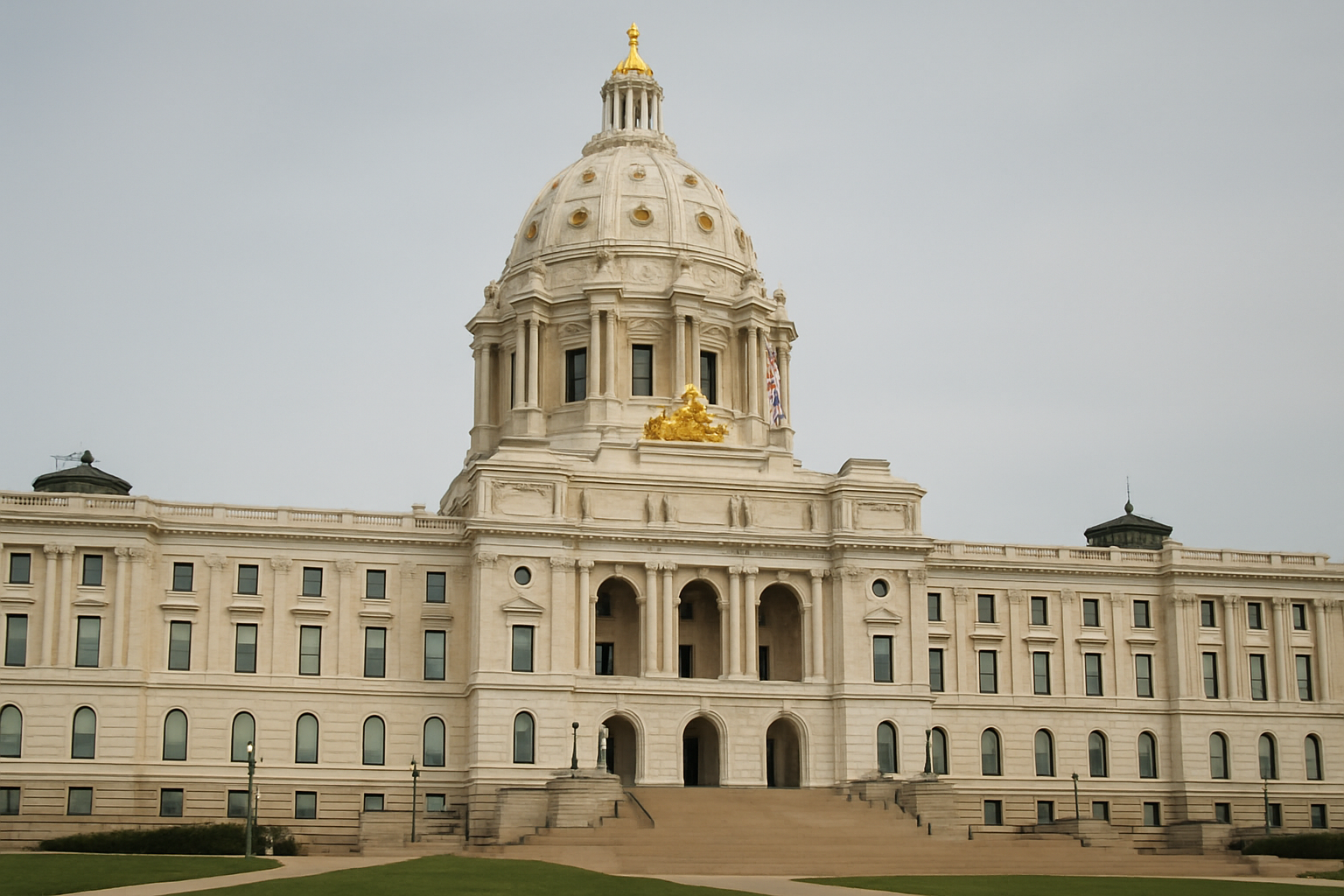
Minnesota lawmakers have put two of online gambling’s fastest-growing sectors squarely in their crosshairs. A pair of bills introduced on 16 March would ban sweepstakes casinos outright and make operating prediction markets a felony offence.
The twin measures represent the latest state-level pushback against platforms that have thrived in regulatory grey areas, offering casino-style gaming and event wagering outside traditional licensing frameworks.
Sweepstakes Casino Ban Targets Dual-Currency Model
SF 4474, sponsored by Republican Senator Jordan Rasmusson, goes after the business model that’s made sweepstakes casinos a billion-dollar industry. The bill defines online sweepstakes games as any internet promotion simulating casino gaming whilst using a dual-currency system, where players exchange tokens for prizes or cash.
The proposed legislation casts a wide net.
It wouldn’t just prohibit operators from running sweepstakes games in Minnesota. It would also bar the entire supporting infrastructure: payment processors, geolocation providers, media affiliates, content suppliers. Anyone knowingly profiting from these platforms could face enforcement action from the state’s commissioner of public safety and attorney general.
Industry voices have argued that bans miss the point entirely. Patrick Fechtmeyer, CEO of ARB Interactive, recently told CasinoBeats that prohibition simply pushes players toward offshore platforms where states have zero oversight or consumer protection. The demand doesn’t disappear. It just moves somewhere regulators can’t see it.
Prediction Markets Face Felony Classification
The second bill, SF 4511, takes an even harder line on prediction markets. Chief sponsor Senator John Marty, a Democrat, wants to amend Minnesota’s gambling statutes so that wagers on sports outcomes, political events, catastrophes, and deaths would no longer qualify for existing exemptions. Operating these markets would become a felony.
The legislation includes strict advertising restrictions as well. Marketing these platforms during live sporting events, on public property, or within 500 feet of schools would carry felony charges. Payment processors and other service providers could face prosecution if they continue facilitating transactions after receiving a cease-and-desist from the attorney general.
Convicted operators would be barred from holding any gaming-related licence in Minnesota for a decade, effectively shutting them out of the state’s regulated gambling market permanently.
Part of a Wider Crackdown
Minnesota’s moves reflect a growing nationwide backlash against unregulated gambling platforms. Indiana Governor Mike Braun signed a sweepstakes casino ban into law on 12 March, with civil penalties reaching $100,000 for operators. Maine’s Senate passed similar legislation the same day, classifying online sweepstakes as unlawful gambling.
On the prediction market side, Hawaii and Illinois have both introduced bills this year targeting wagers on politics, catastrophes, and deaths alongside sports betting markets. The coordinated timing suggests states are comparing notes on how to close what they see as loopholes in existing gambling law.
Look, the tension here is obvious. These platforms have attracted massive investment and millions of users precisely because they operate outside traditional gambling regulation. Whether state bans will actually protect consumers or simply drive activity underground remains the central question. One Minnesota’s lawmakers reckon they’ve already answered.