NagaCorp Set for Modest Growth Through 2027, Says S&P Global
S&P Global Ratings has kept its ‘B+/Stable’ rating on NagaCorp Ltd, projecting the Hong Kong-listed Cambodian casino operator will notch up adjusted revenue growth between 3% and 8% over 2026 and 2027. The outlook tells a specific story: a company with some genuine competitive advantages, yes, but wrestling with the lasting fallout from China’s junket crackdown.
The Monopoly Cushion
NagaCorp’s strategic foundation is simple. It holds an exclusive gaming licence at NagaWorld in Phnom Penh, valid until 2045 and covering a 200-kilometre radius around the capital. Throw in Cambodia’s low gaming tax regime, and you’ve got meaningful downside protection in what S&P describes as a vulnerable business risk profile.
The ratings agency reckons the company will keep benefiting from a captive expatriate market and improving tourism from China, supported by expanding air capacity. Mass-market play has stepped up as the new growth driver, with segmental revenue climbing 23% to US$485 million in 2025.
The Junket Hangover
But the numbers paint a cautionary picture. Despite 27% reported growth in 2025, NagaCorp’s total revenue sits at just 41% of 2019 levels, with EBITDA at 60%. The reason is structural. Junket operations once made up roughly 70% of gaming revenue and are unlikely to come back. China’s enforcement crackdown on referral VIP channels has fundamentally reshaped the operator’s earnings base. That’s a permanent shift, in S&P’s view.
This concentration in a volatile gaming sector within an emerging economy adds real weight to the business risk. Non-gaming revenue contributes less than 5% of the total, leaving the company exposed to market cycles.
Conservative Balance Sheet, Cautious Capital Plans
On the upside, NagaCorp has built a fortress balance sheet. It’s cut shareholder distributions and capital expenditure since 2022, paid off a US$70 million shareholder loan in May 2026, and maintains forecast debt to EBITDA of around 0.3 times through 2027. That’s financial prudence that buys real breathing room.
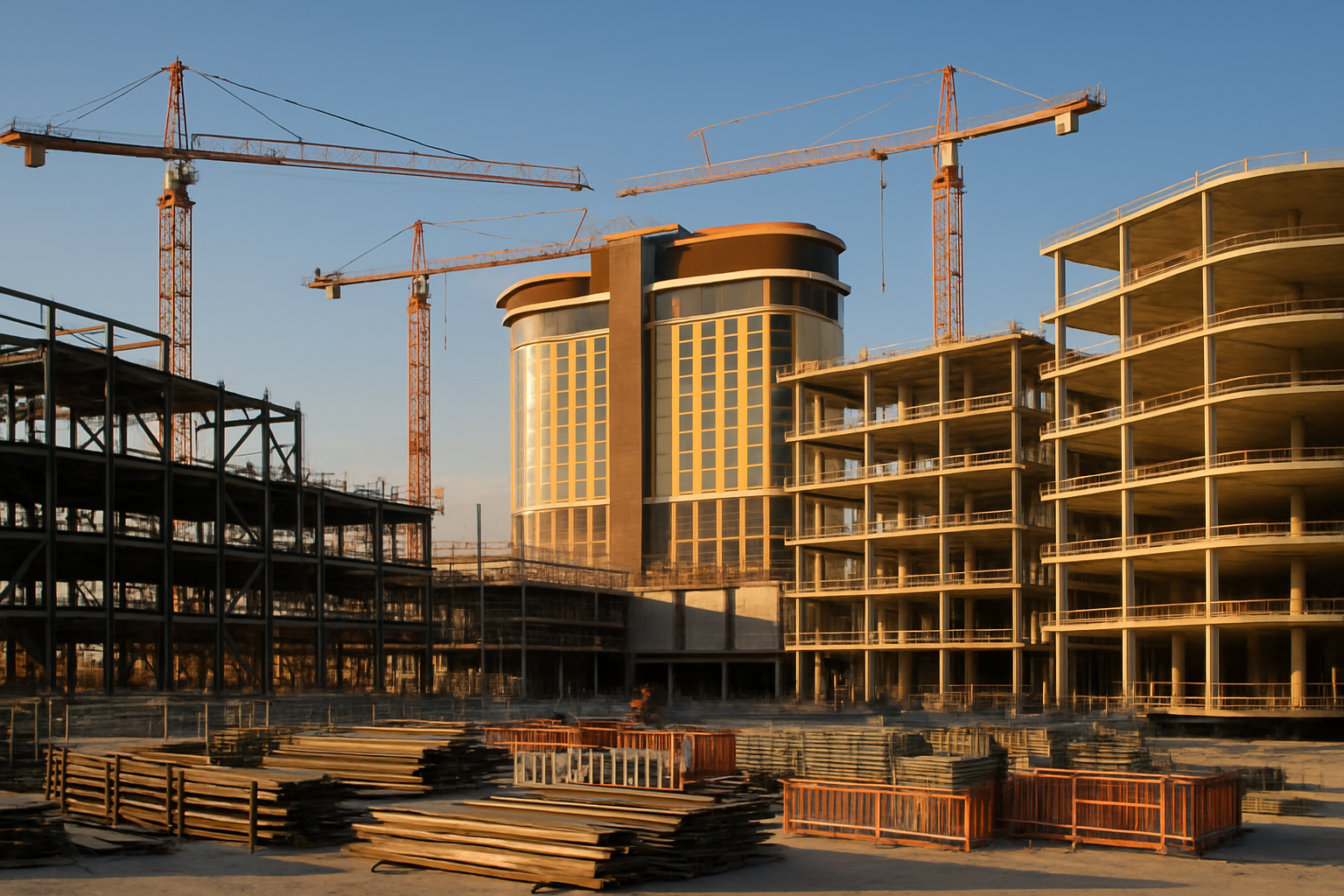
The company resumed dividends in 2025 at a 30% payout ratio and expects to creep towards historical levels of 60%. The major wildcard, frankly, is the rescaled Naga 3 project. After a shareholder funding agreement terminated in December 2025, NagaCorp is reassessing the originally US$3.5 billion development. Construction expenditure now won’t resume until 2027, and at a revised scale.
The Risk Scenario
S&P’s rating could deteriorate significantly if NagaCorp accelerates Naga 3 spending, pursues aggressive additional investments, and bumps up shareholder distributions all at once. The agency also flagged a notable vulnerability: the company lacks established relationships with global lending sources and would struggle to handle high-impact, low-probability events without refinancing access.
For now, the stable outlook reflects confidence in NagaCorp’s ability to navigate slower but steady recovery. The real challenge is whether management can fund its growth ambitions and investor returns without eroding the financial flexibility that currently provides the best protection against emerging market volatility.