Nebraska Online Betting Drive Clears Major Hurdle Ahead of 2026 Vote
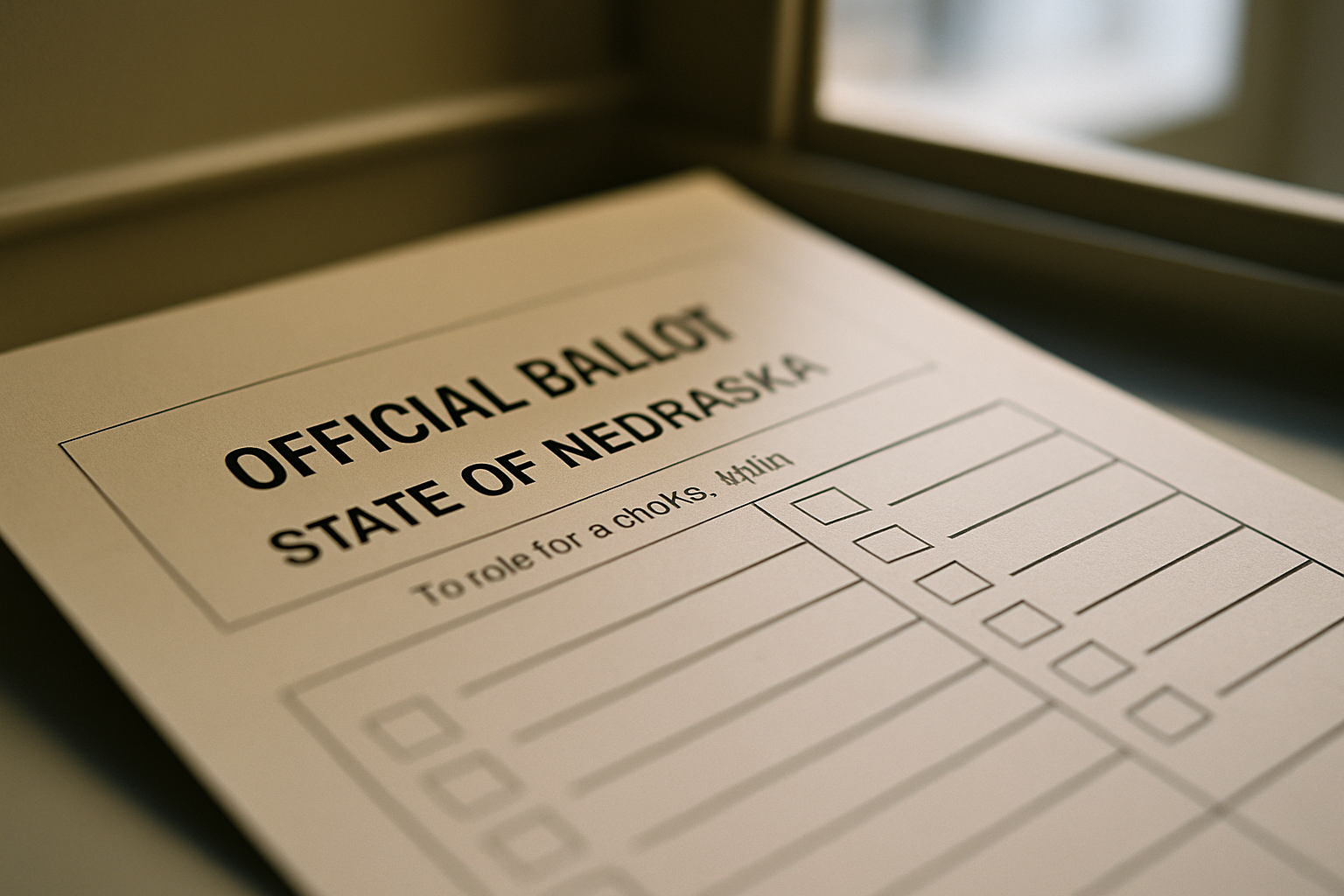
Tax Relief Nebraska has submitted over 350,000 petition signatures to the Secretary of State’s Office, clearing a significant milestone in the push to get online sports betting on the 2026 ballot. The filing contains two separate petitions: one for a constitutional amendment permitting online wagering, and another outlining regulatory and tax frameworks for the industry.
Signature Numbers Exceed Requirements
Campaign organisers report the submission comfortably surpasses the required thresholds. The constitutional measure collected just over 126,000 valid signatures, whilst the statutory proposal reached approximately 88,000. Election officials across Nebraska’s counties now face the task of verifying submissions before determining final ballot eligibility.
Economic Arguments Drive the Campaign
Backers frame legalisation as a revenue opportunity. Worth knowing: substantial wagering activity currently flows to neighbouring states with established online platforms. They emphasise that tax revenue would fund property tax relief, mirroring the existing casino model that already generates tens of millions annually for the state.
The push sidesteps the legislature entirely. A deliberate strategy, really, after repeated failed attempts at passing similar measures through traditional channels. Organisers view this route as more likely to succeed given what they perceive as solid public support.
Opposition Voices Persist
Critics remain sceptical despite the campaign’s momentum. Opposition groups question whether the projected tax benefits would meaningfully impact property values, contending that most revenue gains would benefit out-of-state operators rather than local communities. Some also raise concerns about addiction prevalence and wider social costs associated with increased gambling accessibility.
The real dispute centres on revenue projections. Opponents claim the proposed tax haul would be modest at best, whilst supporters point to Nebraska’s existing gaming tax performance as evidence the online model could deliver substantial returns.
What Happens Next
Officials will now verify signatures across all counties. If both measures clear verification, Nebraska voters will decide the matter in November 2026. Should they approve, the state’s gaming landscape would shift dramatically, with licensed casinos potentially partnering with major national betting platforms. The outcome could reshape how Nebraska approaches gambling regulation and tax revenue strategy for years to come.
What the team thinks
PHILIPPA ASHWORTH: The signature threshold achievement signals real investor appetite for US market expansion. Nebraska’s dual-petition approach is strategically sound, separating constitutional mechanics from revenue models, which should ease passage concerns and unlock significant tax revenue potential for the state.
SHEENA McALLISTER: Absolutely right on the structural advantage. By decoupling the constitutional amendment from regulatory frameworks, they’ve avoided the common pitfall of bundling changes that can derail ballot measures. The regulatory petition gives lawmakers flexibility to align Nebraska’s rules with proven compliance models from other states.
PHILIPPA ASHWORTH: Precisely. And from a market timing perspective, 2026 positioning is clever. It gives operators two years to prepare infrastructure while momentum builds, and Nebraska avoids cannibalising adjacent markets still establishing themselves. The tax framework details will make or break operator interest though, particularly for regional sportsbooks eyeing expansion.
SHEENA McALLISTER: That’s the critical variable. If Nebraska models its tax structure on proven frameworks like Colorado or Illinois, they attract quality operators and sustainable licensing revenue. But overly punitive rates risk pushing business to adjacent states, which defeats the regulatory purpose entirely.