Nevada Gaming Surges Past Expectations as Tourism Stumbles in April
Nevada’s gaming operators are posting strong numbers, but the state’s tourism machinery is struggling to keep up. April data tells an interesting story: robust casino performance on one hand, softer visitor numbers on the other. The disconnect is real.
The Nevada Gaming Control Board clocked gross gaming revenue at $1.29 billion for April. That’s a solid 5% year-on-year increase, and it puts the state ahead of last year’s pace by 2% through the fiscal year. The Las Vegas Strip, predictably, led the way with $689 million in gaming win, up 6.5% annually. Strip performance remains marginally positive for the fiscal year overall, up 1.2%.
Baccarat Drives Strip Gains
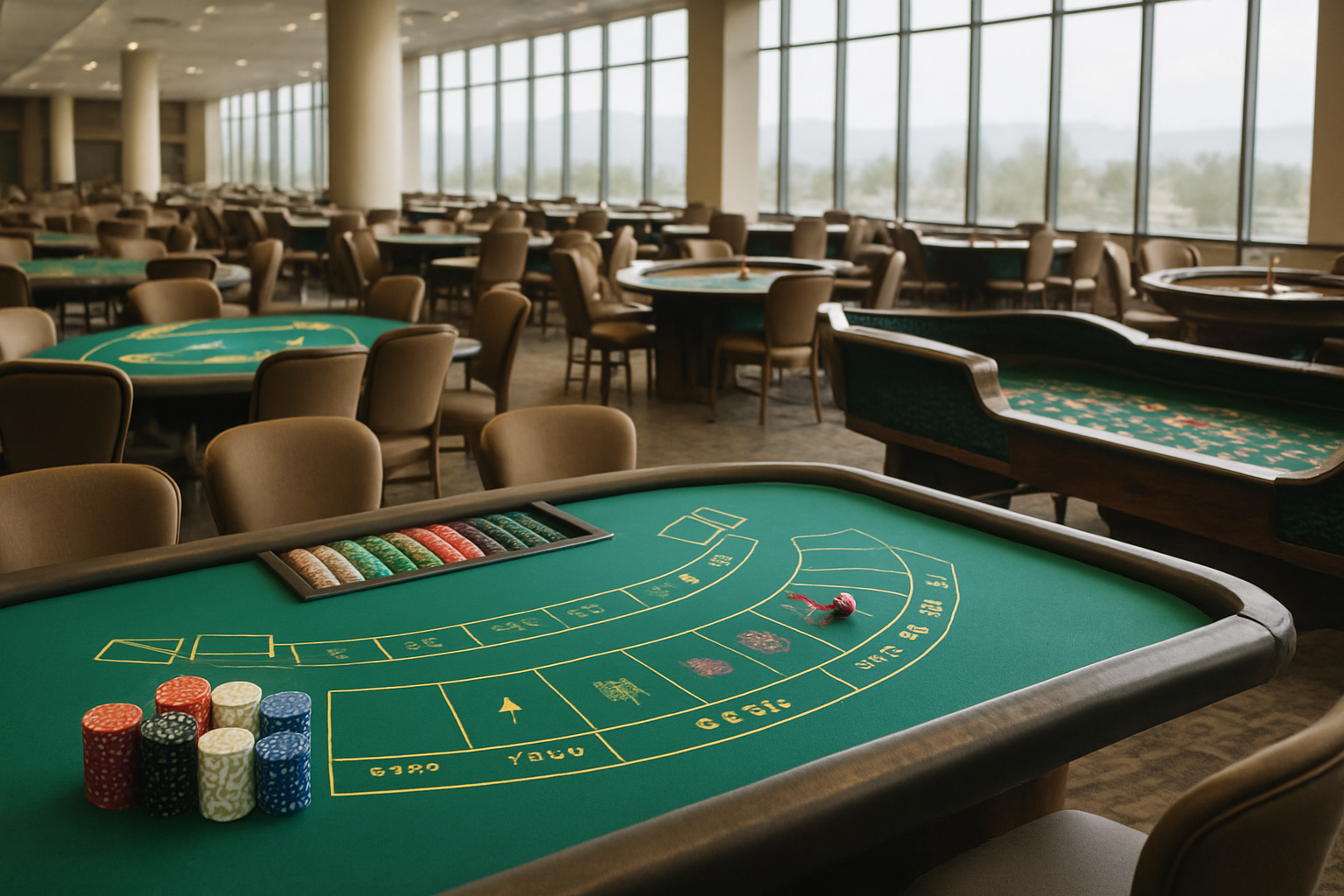
Baccarat, the traditional gaming workhorse, powered much of the Strip’s strength. The game generated $124.8 million in April alone. That’s a 15% increase over the prior year. But here’s what’s really striking: the three-month rolling total sits nearly 50% higher than the comparable period last year. Industry observers credit part of this surge to growing adoption of smart table technology, which gives operators granular performance data they couldn’t access through conventional reporting methods.
A Tourism Problem, Not a Gaming One
Visitor numbers tell a different story entirely. Las Vegas welcomed 3.2 million visitors in April, down 2% to 3% year-on-year. That broke a brief two-month winning streak. Average daily room rates and revenue per available room moved in opposite directions by roughly 1%, suggesting pricing power remains limited despite those healthy gaming revenues.
The real concern emerges at Harry Reid International Airport. Passenger traffic fell 7% to 4.4 million in April. Year-to-date figures look worse: the airport has processed 16.9 million passengers, down more than 5% from the equivalent period last year. International travel has become particularly problematic. Total international traffic at Reid declined 12% in April and is tracking 15% behind last year’s cumulative total.
Canadian carriers Air Canada and WestJet each saw traffic decline by more than 20%. Mexican carriers Aeromexico and Vivaaerobus reported drops of 26% and 6% respectively. The performance gap suggests geopolitical or economic headwinds are hitting North American source markets harder than others.
Domestic Realignment Underway
Spirit Airlines’ collapse on 2 May created an opening for competitors. April saw Spirit traffic plummet 72% in its final month of operations. Budget carriers Frontier and Alaska Airlines appear well positioned to capture displaced demand. Frontier was up 15% for the month, whilst Alaska jumped 33%.
Strength Beyond the Strip
Outside Las Vegas, Nevada’s gaming markets delivered consistency. Laughlin jumped 16%, Mesquite rose 4%, and North Las Vegas edged forward 2%. Reno and Sparks both posted double-digit April gains. Every major market in the state finished the fiscal year positive. That suggests the revenue lift is genuine rather than concentrated in a single property or region.
M&A Activity Reshapes the Landscape
Against this backdrop of mixed signals, the Nevada casino sector has become acquisition territory. Caesars Entertainment was taken private by Golden Nugget owner Tilman Fertitta for $5.7 billion. The transaction creates overlapping operations in Las Vegas, Laughlin, and Lake Tahoe. Regulatory scrutiny over competitive concerns will likely demand divestitures before the deal closes.
A second mega-deal may follow. Barry Diller’s People Inc has proposed acquiring the remaining 74% of MGM Resorts it does not own at $48.30 per share, valuing the company at approximately $18 billion. MGM has confirmed receipt of the proposal and is evaluating its options.
The gaming floor’s performance suggests underlying demand remains robust. The question for Las Vegas and the broader state is whether tourism infrastructure improvements can restore visitor volumes to match the positive momentum operators are experiencing at the tables.
What the team thinks
Baz Hartley says:
Philippa’s identified a real tension here, but I’d argue the casinos’ ability to maintain revenue growth despite softer tourism numbers actually speaks to smarter player retention strategies and better bonus mechanics that keep existing customers engaged rather than constantly chasing new ones. What’s more interesting than the headline disconnect is whether those $1.29 billion figures are being driven by higher average player spend or simply better conversion rates from the traffic that does arrive, because that tells us whether operators are genuinely innovating or just tightening the screws on wagering requirements. The real story worth digging into is whether this April performance is sustainable if tourism doesn’t recover, or if we’re looking at a short-term sugar rush from pent-up demand.