New Jersey Takes Prediction Market Fight to Supreme Court
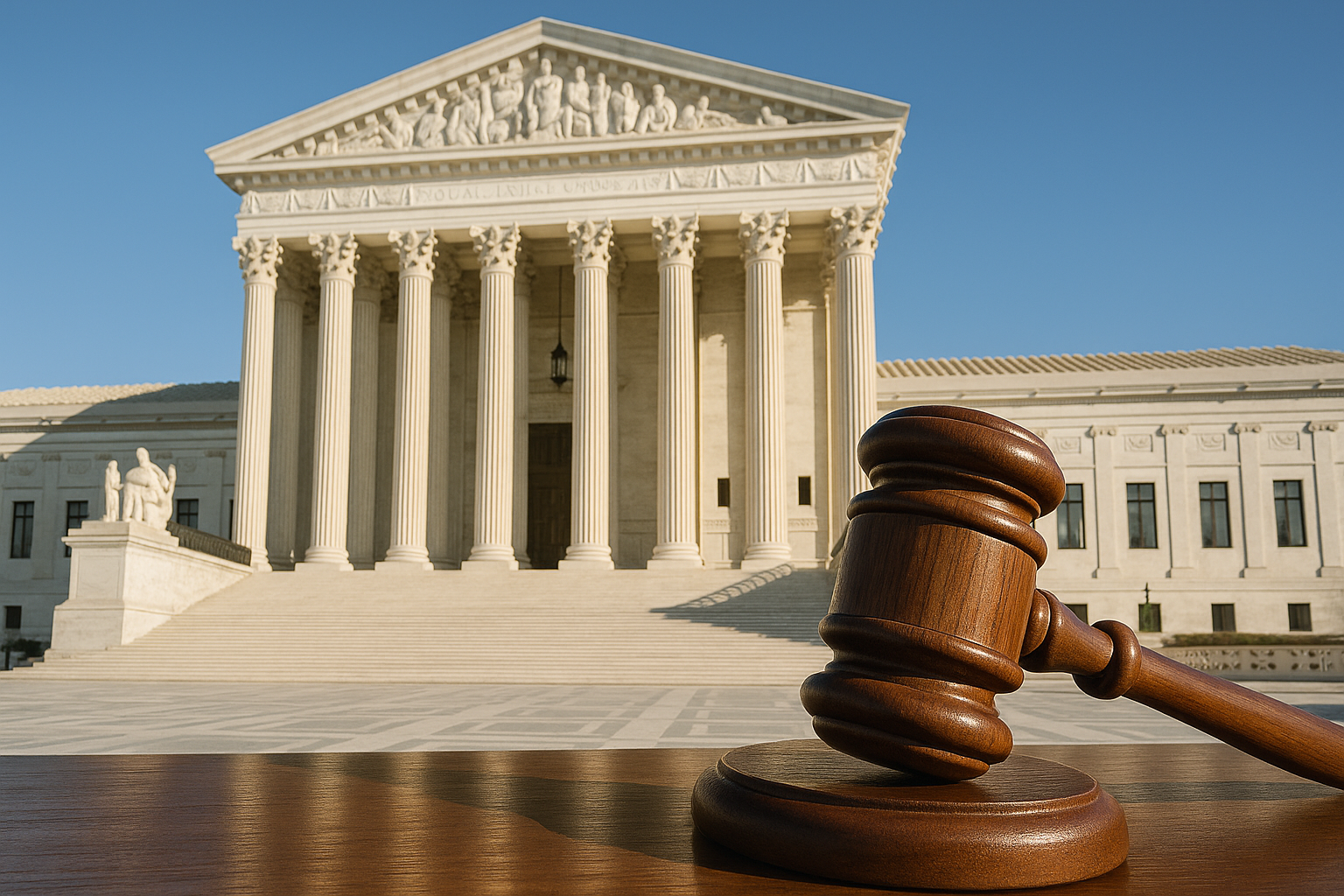
New Jersey is asking the US Supreme Court to settle a fundamental question: who actually gets to regulate prediction markets? The state's petition marks the first time this dispute has reached the country's highest court, and depending on how the justices rule, it could reshape how both traditional gambling and prediction platforms operate across America.
Federal vs State Authority
The core issue is straightforward enough, but the consequences run deep. New Jersey argues that prediction contracts are essentially sports bets and should fall under state gambling regulation. The state's gambling regulator tried to block Kalshi, a prediction platform, from operating within its borders. An appellate court disagreed, though. Ruling that these contracts are financial instruments overseen exclusively by the Commodity Futures Trading Commission (CFTC) at the federal level.
That decision meant Kalshi could operate in New Jersey regardless of state objections. Big win for the prediction market industry. But it's created legal chaos nationwide.
Courts Are Splitting
Here's where it gets messy. While the appellate court sided with federal authority, the 9th US Circuit Court of Appeals reached the opposite conclusion. Back in August, those judges backed Nevada's right to restrict Kalshi's offerings on its own terms, despite CFTC objections. The federal regulator insists it has sole jurisdiction. Nevada insists it doesn't.
Multiple states have scored their own victories against prediction platforms. Massachusetts, Michigan, and Washington among them. This patchwork of conflicting rulings is precisely why the Supreme Court might step in.
What's at Stake
A Supreme Court ruling could settle this for good. If the justices agree to hear the case, arguments might begin this autumn, with a verdict expected in 2027. The decision will likely determine whether prediction platforms operate as federally regulated financial instruments or whether states can treat them as gambling products subject to their own licensing and restrictions.
Genuine uncertainty exists about which way the Court will go. The current administration is openly favourable toward prediction markets, which might influence judicial thinking. But state-level resistance is growing stronger, and dozens of states across the political spectrum have joined New Jersey's position that prediction contracts shouldn't bypass local laws.
For the iGaming industry, frankly, this is worth watching closely. The outcome could create either a clear national framework or cement ongoing regulatory fragmentation. Either way, the Supreme Court's decision will likely become the most significant prediction market ruling in a generation.