Norway’s Lotteritilsynet Issues Formal Warning to Norsk Tipping Over Mandatory Break Violations
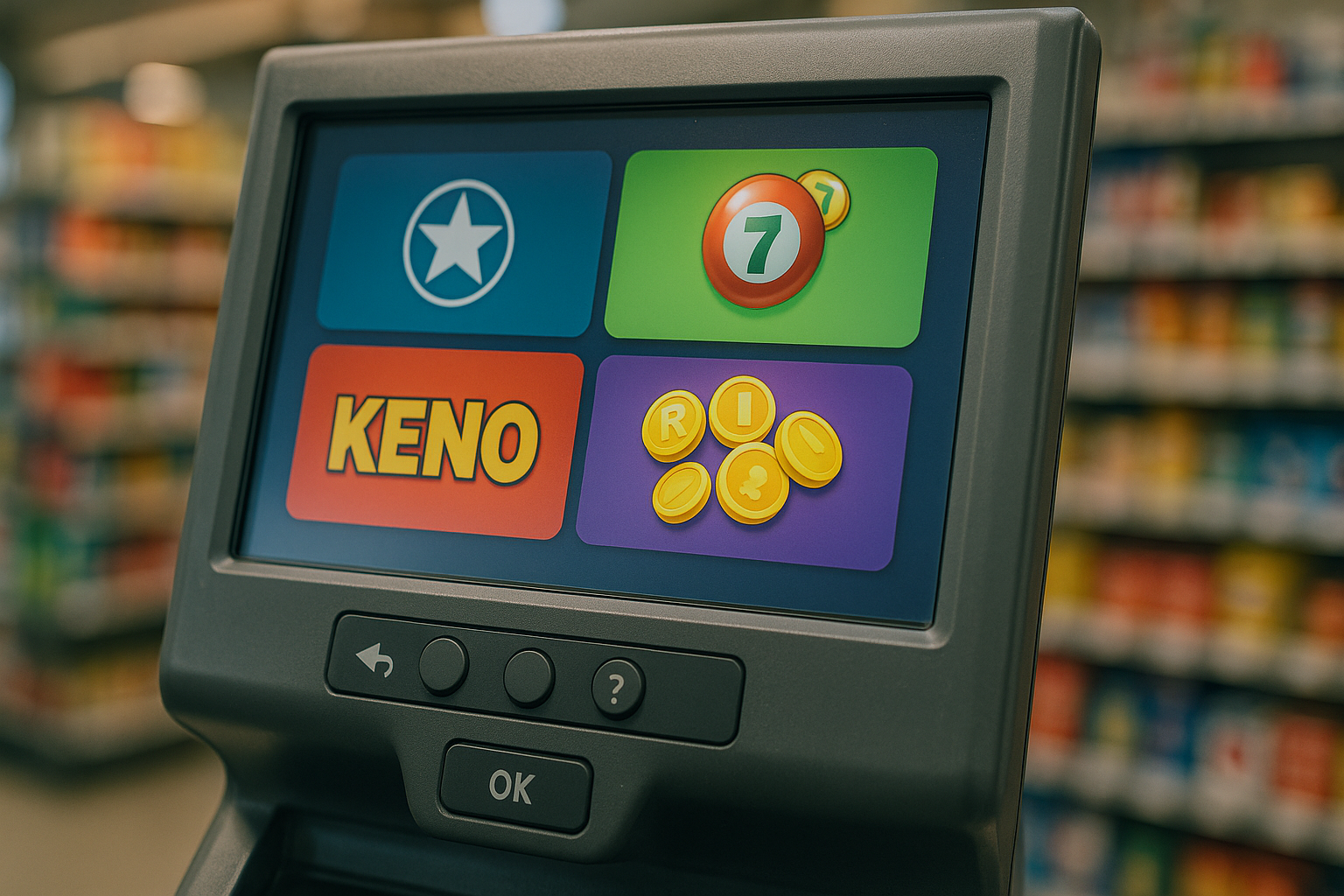
Norsk Tipping is facing regulatory enforcement action after Norway’s Lottery Authority discovered the state-owned operator failed to properly enforce mandatory hourly play breaks across multiple KongKasino titles. The compliance breach, which surfaced during routine monitoring, has resulted in a formal warning and the threat of daily fines totalling NOK 15,000 if corrective measures are not demonstrated by mid-June.
The issue centres on a core consumer protection requirement in Norwegian gambling law: players must be forced to take a 15-minute pause after every 60 minutes of continuous play. This mandatory break rule forms a cornerstone of the country’s highly regulated monopoly system, which positions player protection as a competitive advantage over offshore alternatives.
According to Lotteritilsynet, the problem was first identified in a November compliance report that initially flagged two titles, Stellar Joker and Jackpot 6000, both of which were withdrawn in October. Subsequent technical reviews revealed the non-compliance extended to additional games within the KongKasino portfolio.
Bonus Rounds at the Heart of the Breach
The technical failure appears to lie in how bonus features and autoplay sequences interact with the mandatory timer. In several instances, games allowed continuous play through sequential bonus rounds without triggering the required pause. One documented case saw a player remain active for nearly one hour and 50 minutes without interruption. A clear violation of the one-hour threshold.
Lotteritilsynet has explicitly rejected any interpretation of the rule that might exclude bonus rounds from the timer. Bonus features are considered continuous play under the regulation, and the mandatory break applies regardless of gameplay mechanics or user experience considerations.
Norsk Tipping has acknowledged the complexity of interrupting a player mid-bonus round, citing concerns over game flow and customer satisfaction. Look, the regulator’s position leaves little room for compromise: compliance is non-negotiable, and game design must accommodate the legal requirement, not the other way around.
Escalating Enforcement Timeline
Following a meeting on 2 March, Norsk Tipping presented a technical solution intended to prevent future lapses. While Lotteritilsynet acknowledged the proposal as a step forward, the regulator concluded it does not fully eliminate the risk of recurrence. The operator has been instructed to submit a more detailed remediation plan by 30 April and provide comprehensive compliance documentation by 15 June.
If the operator cannot show full adherence by that deadline, daily fines of NOK 15,000 will commence from 16 June. The penalty structure underscores the seriousness with which Norwegian authorities are treating technical non-compliance, even from the state monopoly.
A Broader Regulatory Shift
This case reflects a notable evolution in gambling regulation. Authorities are increasingly scrutinising the internal mechanics of games themselves, moving beyond traditional responsible gambling tools such as deposit limits, self-exclusion, and marketing standards. Regulators are now examining how game architecture, feature design, and session management systems operate at a granular level.
For operators, this signals a need for closer collaboration between compliance, product, and engineering teams. Bonus structures, autoplay functionality, and timer implementations are no longer purely commercial or UX decisions. They are compliance variables subject to audit and enforcement.
Norsk Tipping’s situation may be specific to Norway’s strict regulatory environment, but the underlying principle is likely to resonate across other jurisdictions. As regulators gain technical literacy and enforcement tools become more sophisticated, the line between game design and regulatory risk will continue to narrow.




What the team thinks
Carl Mitchell: This is exactly why mandatory breaks remain such a contentious issue in the UK debates. Norway’s got the regulations on the books, but if even a state monopoly operator can’t get the technical implementation right, it shows how challenging this actually is at the platform level.
Sheena McAllister: The technical challenge is real, Carl, but what strikes me is how proportionate the enforcement appears. A formal warning with clear remediation timelines before any financial penalties kick in, that’s textbook graduated enforcement. The UKGC could learn something from that approach rather than jumping straight to six figure fines.
Carl Mitchell: Fair point on the graduated response, though I’d imagine having a single state operator makes enforcement conversations far more straightforward than dealing with dozens of licensed operators. Still, mandatory breaks are coming to more jurisdictions, so getting the tech stack right now will save operators headaches down the line.