NYC Casino Hopefuls Dropped Nearly £4m on Lobbying Push
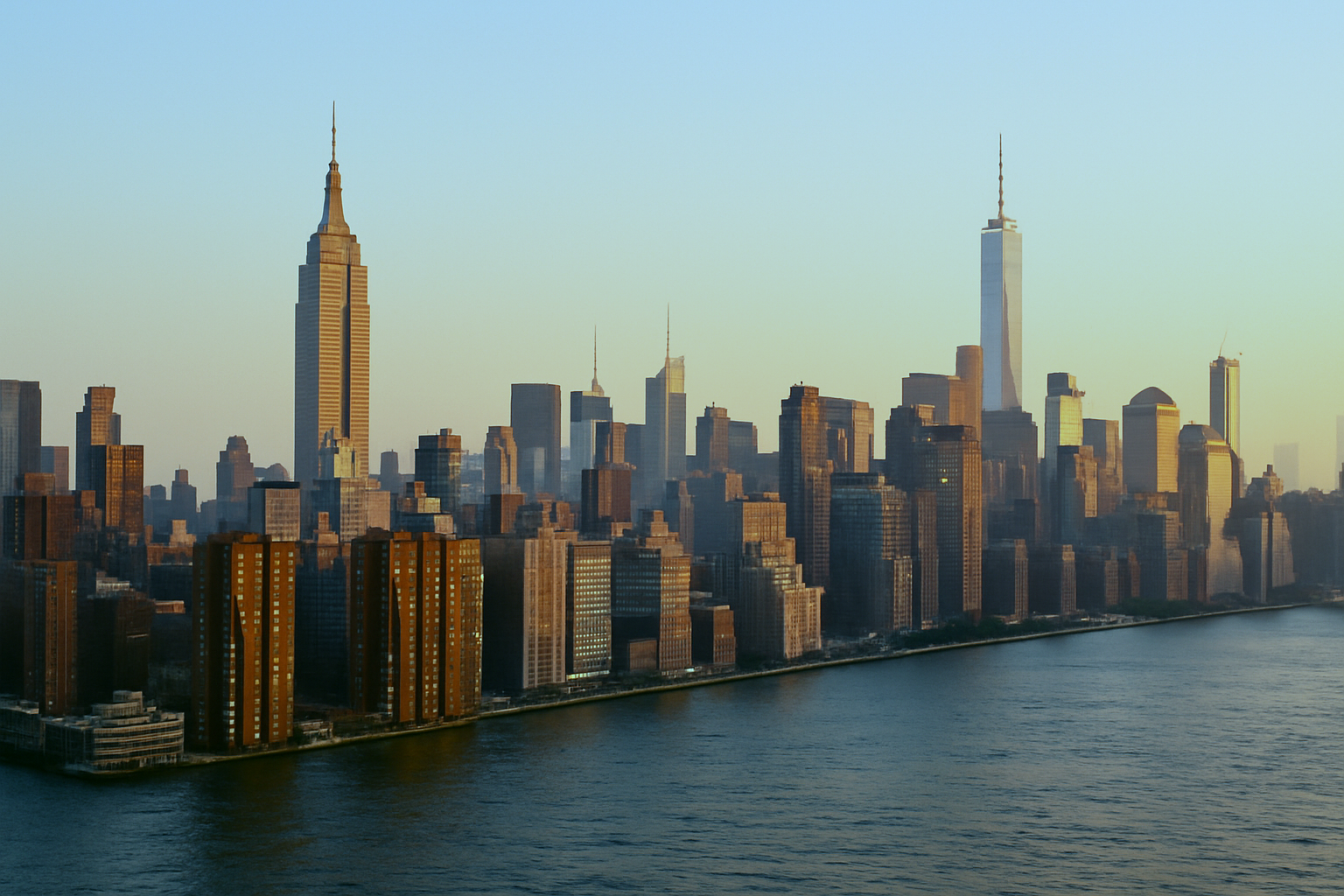
New York’s freshly released lobbying records reveal the serious money casino operators were willing to spend for a shot at one of the city’s coveted gaming licenses. Hard Rock, Resorts World, and Bally’s, the three successful bidders, collectively dropped nearly $3.7 million trying to win over officials, according to the NYC Office of the City Clerk’s Lobbying Bureau annual report.
Hard Rock led the pack with $1.68 million in lobbying spend, the second-highest figure across the entire city. That investment has paid off handsomely: the operator’s partnered with Mets owner Steve Cohen to transform a site next to Citi Field into what promises to be a proper destination venue. Beyond the gaming floor, plans include a Taste of Queens food hall, music venue, bars, restaurants, and a public park conversion for the remainder of the site.
The Winners and Their Spending
Genting came in fourth citywide with $1.14 million spent on lobbying efforts. Their Resorts World upgrade at Aqueduct Racetrack looks set to open first, potentially before the year’s out.
The development promises nearly 6,000 slots, a 1,600-room hotel, and multiple dining and drinking venues. That’s a significant step up from the existing racino operation.
Bally’s rounded out the successful trio with $830,000 in lobbying spend, landing sixth overall in the city. Their Bronx development near Ferry Point Park will feature a 500-room hotel, nightclub, spa, and 2,000-seat event center alongside the casino floor.
The Costly Miss
Here’s where it gets interesting. The Coney actually outspent both Genting and Bally’s at $1.4 million, only to see their application rejected by the community advisory committee. Local opposition proved decisive, with the committee determining the Coney Island development would harm existing businesses and clash with the area’s character. That’s a painful lesson in the reality that lobbying spend alone doesn’t guarantee success.
What It’s All Worth
Although the lobbying figures are substantial, they pale beside the projected returns. The three successful operators are forecasting annual revenues between $2 billion and $4 billion each. Combined, these developments could generate upwards of $10 billion yearly, with analysts predicting around $1 billion in additional annual tax revenue for the state.
That’s the kind of money that makes a £1.3 million lobbying investment look rather modest.
New York’s been working toward this moment since voters approved seven casino licenses back in 2013. Four went to upstate locations in the following years, leaving these final three for the lucrative New York City market.
The backdrop here is significant demand for gambling across America, with both physical venues and licensed online casinos seeing strong growth. These three new developments are positioned to capture a substantial slice of that action in one of the world’s most valuable gaming markets.
Worth knowing: it wasn’t even casino operators who spent the most on lobbying last year. That distinction went to Maddd Equities, a real estate developer that dropped $1.8 million across six lobbying firms for various high-profile projects. Airbnb and RAI Services Company also featured prominently, fighting regulations on short-term rentals and menthol products respectively.
With the casino licenses now awarded, next year’s lobbying report will likely tell a very different story. The focus shifts now from winning licenses to actually building these venues and getting them operational. Hard Rock, Resorts World, and Bally’s can start focusing on what they do best: creating entertainment destinations that’ll define New York’s casino landscape for years to come.


What the team thinks
Baz Hartley says:
Nearly £4m in lobbying spend might raise eyebrows, but it’s actually a sign of proper process when you’re talking about licenses that could generate billions in revenue over decades. What matters now is whether those operators funnel similar investment into responsible gaming infrastructure and player protections once they’re operational. The real test of these licenses won’t be what was spent to get them, but how the winning bidders treat punters once the doors open.