Osaka Casino Faces Uphill Battle for Cultural Acceptance, Says Japan Resident Pico Iyer
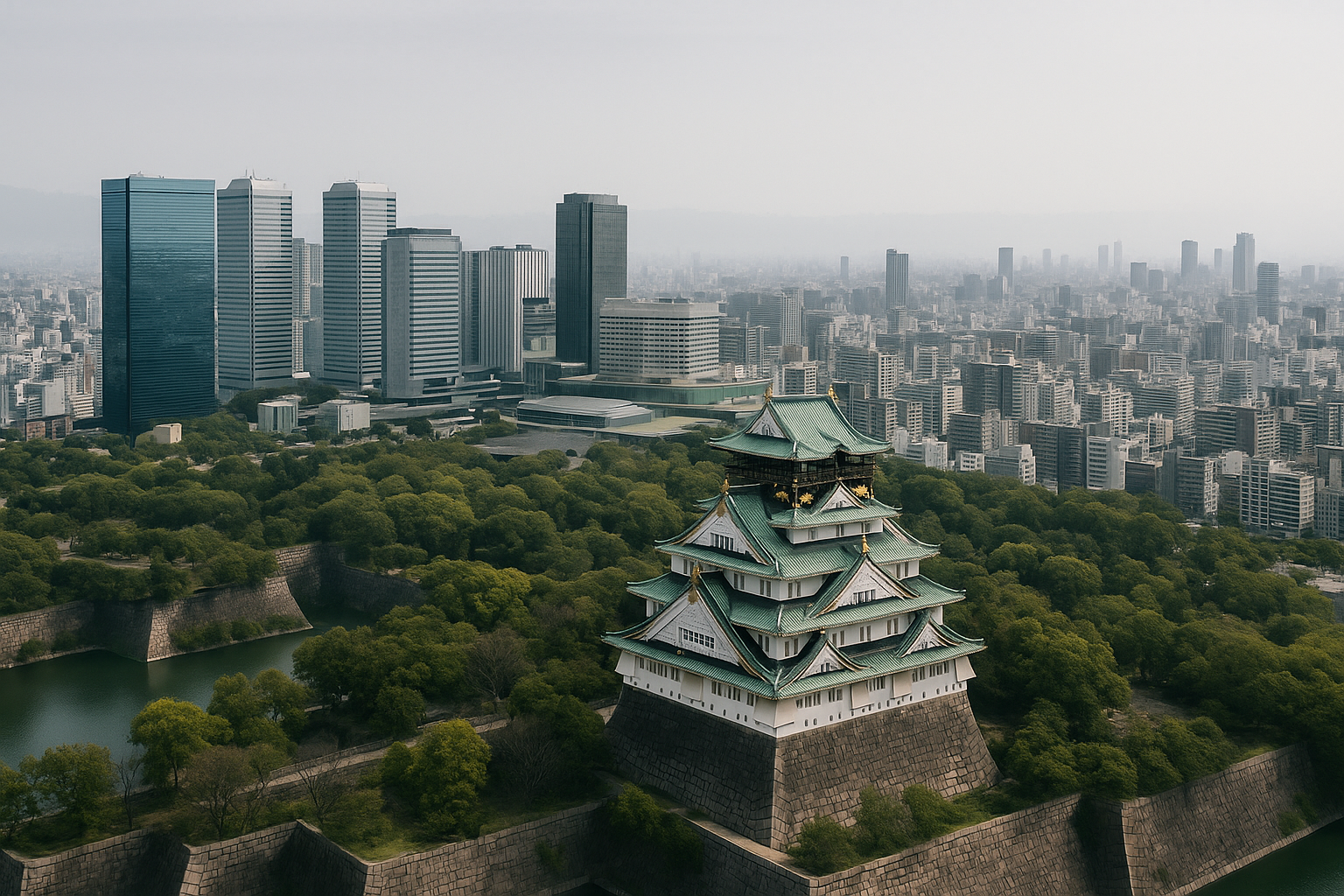
Acclaimed essayist and longtime Japan resident Pico Iyer has cast doubt on whether Osaka’s forthcoming integrated resort will find enthusiastic local support, despite the city’s reputation as Japan’s most outgoing urban centre. Speaking at the recent Ubud Writers and Readers Festival in Bali, Iyer suggested that casino gambling simply doesn’t align with Japanese cultural sensibilities, even as the country prepares to license two additional integrated resorts in May.
Iyer, who has lived in the Kansai region for 38 years and authored A Beginner’s Guide to Japan, admitted he wasn’t even aware that Osaka had secured approval for an integrated resort on Yumeshima Island. The joint venture between Japanese financial giant Orix and MGM Resorts International received government backing in 2023, following decades of debate over casino legalisation.
Gambling Exists, But Remains Marginalised
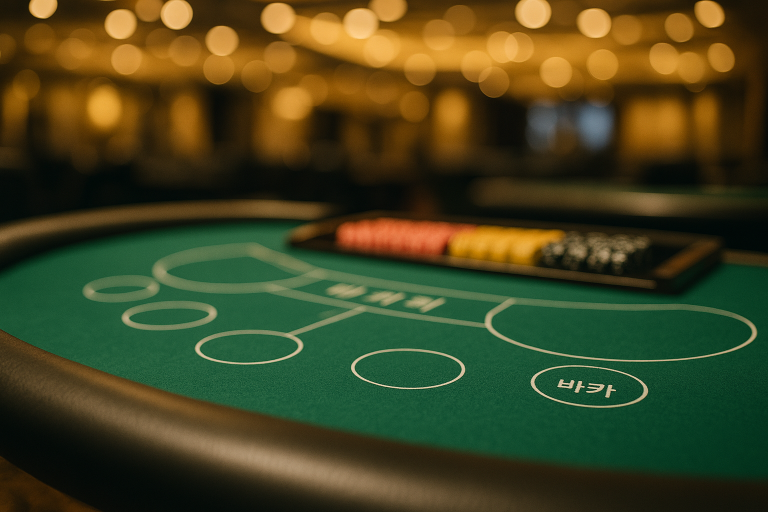
The cultural observer acknowledged that Japanese punters wagered approximately $22 billion on horse racing last year. That’s over one-sixth of global totals. Pachinko, the ubiquitous parlour game that blends skill and chance with manga and anime themes, generated player losses exceeding $30 billion in 2024, surpassing Macau’s gross gaming revenue and tripling that of the Las Vegas Strip.
Yet Iyer maintains these activities occupy society’s margins rather than its mainstream. “I think pachinko belongs to the margins of society, and people look down on it or see it as semi-criminal,” he noted. The sector’s contraction supports this assessment. Pachinko outlets have plummeted from 18,000 venues in 1995 to just 6,706 in 2024, according to industry researcher Tsuyoshi Tanaka.
When Japanese friends visit California, Las Vegas attracts them for spectacle rather than wagering, the essayist observed. “They’re going for the shows and for the glitter, whereas I think people from other communities are eager to go to Las Vegas only for one reason,” he said.
Osaka’s Character May Not Guarantee Success
MGM Japan’s president Ed Bowers has described Osaka as “the most Chinese” city in Japan, referencing its boisterous character. Iyer agreed that Osaka differs markedly from nearby Kyoto’s refined restraint, calling it “Kyoto turned on its head in some ways.” The city’s proximity to major Chinese tourist markets appears central to the integrated resort strategy. Visitors from mainland China, Taiwan and Hong Kong accounted for 43 per cent of Japan’s 43 million arrivals last year.
Still, Iyer suggested that rapid tourism growth has created friction in a society built on shared assumptions, silence and order. “The presence of foreigners in Japan is much more disruptive than it would be anywhere else, especially Singapore or Macau, because Japan is based not only on the notion of everybody sharing the same assumptions, but on the notion of everybody being silent, orderly and obedient,” he explained.
Long-Term Cultural Shift Required
The author believes Japan’s deep roots in traditional customs mean societal change occurs slowly and collectively. “I can see that it might take a long time for the society as a whole, which often thinks as a whole, to change its views about casinos and gambling and to get over whatever reservations it may have,” Iyer said.
This cultural conservatism already shaped Japan’s integrated resort programme. After the government approved licensing up to three casinos in 2018, only two of 47 eligible jurisdictions submitted bids, primarily due to vocal public opposition. That reluctance may prove the integrated resort sector’s most significant challenge, regardless of Osaka’s distinctive character or the tourism industry’s explosive growth.