Pennsylvania Lawmakers Push Deposit Limits and Ad Curbs in Online Gambling Reform Package
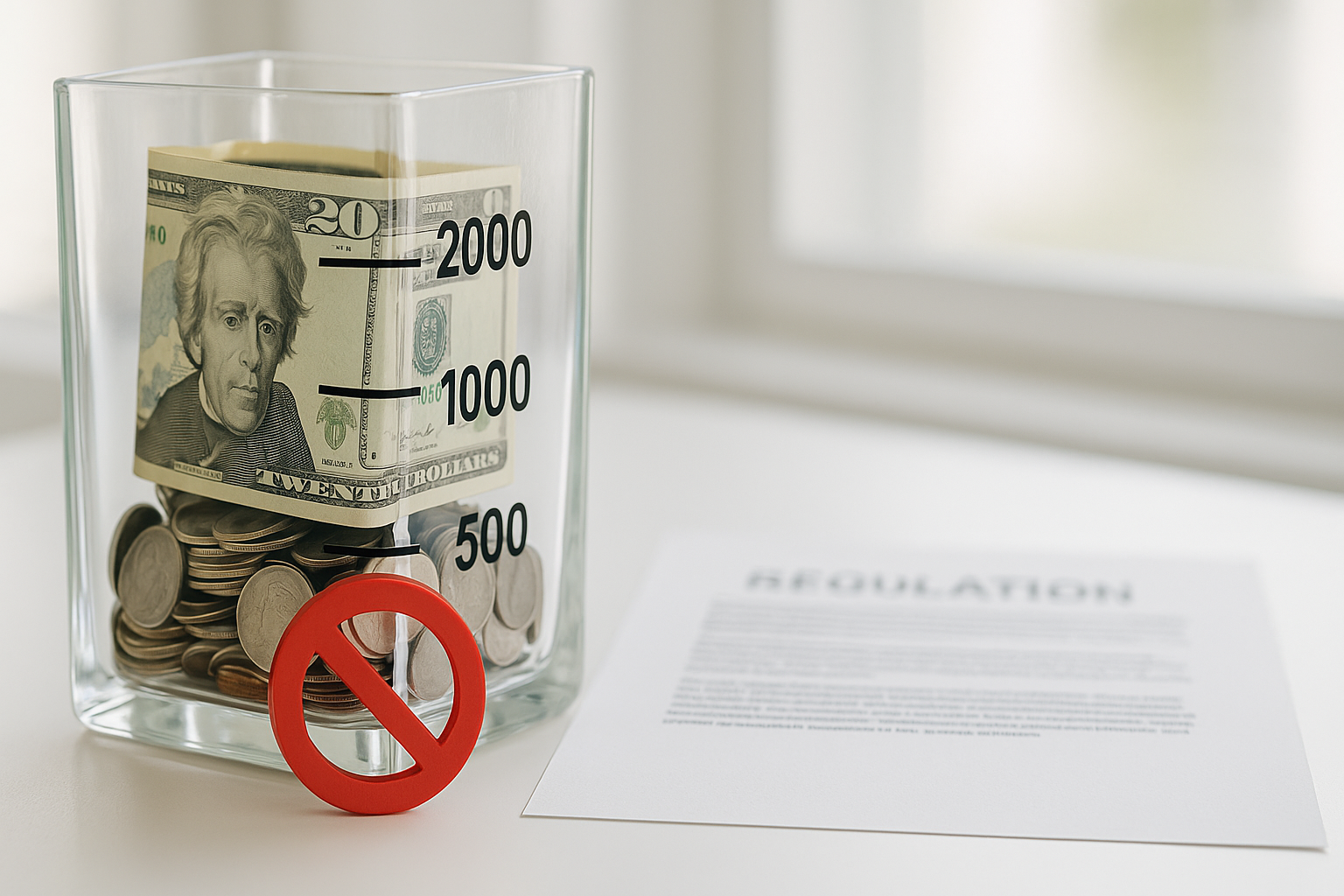
Pennsylvania’s about to overhaul its approach to online gambling in a big way. A bipartisan package is on the table, and it’s serious stuff: tighter rules on deposits, payment methods, and how operators can advertise. Representatives Tarik Khan and Jamie Flick have put together three bills they reckon will tackle a genuine public health issue as the market keeps expanding.
Daily Deposit Limits and Marketing Restrictions
First bill up deals with how much players can deposit in a day and clamps down on the aggressive marketing tactics operators love to use. App notifications pushing people to bet more? Gone. Direct messaging campaigns that prey on continued play? Not happening. There’s also the matter of keeping young people away from gambling ads, plus more cash flowing into prevention and treatment services.
Khan’s background is healthcare, and he’s deliberately framed gambling addiction alongside other health crises that need preventing, educating people about, and treating properly. That’s a signal Harrisburg’s changing how it thinks about the sector.
Credit Card Ban and Payment Safeguards
The second measure goes after how people actually fund their betting accounts. It bans credit cards entirely. The reasoning’s straightforward enough: if you can’t borrow money to gamble, you can’t spiral into debt as easily. Blunt? Sure. But lawmakers reckon it addresses real financial harm.
Self-Exclusion Enforcement
The third proposal’s where things get interesting.
Pennsylvania’s self-exclusion system has a nasty loophole. Right now, operators can market to people who’ve explicitly opted out of their platforms. The new bill would seal that shut, making it illegal for gambling companies to contact self-excluded users.
Colorado’s been down this road. Their deposit limits and marketing crackdowns inspired this package, which suggests Pennsylvania’s ready to borrow from what works rather than start from scratch.
Flick’s particularly concerned about the always on nature of digital betting. Twenty-four-seven access, constant ads everywhere; that makes it brutal for younger users to step back. Support services are reporting higher demand, especially from young adults.
The industry’s watching. Supporters say the goal’s genuine balance: keep the regulated market functioning whilst putting real teeth into player protections. Whether that’s actually achievable? The jury’s still out.
What the team thinks
Philippa Ashworth says:
Pennsylvania’s regulatory approach signals a maturation of the U.S. online gambling market, where operators are increasingly willing to embrace stricter consumer safeguards as the cost of sustained market access and legitimacy, though the real test will be whether deposit caps actually reduce problem gambling or simply redistribute spend across unlicensed platforms. The bipartisan nature of these reforms is encouraging, but Hartley’s piece glosses over a critical tension: how aggressive consumer protection measures might dampen the revenue growth that’s made online gambling attractive to state treasuries in the first place. What’s missing from this analysis is the competitive angle, namely whether Pennsylvania’s more stringent rules could push major operators toward neighboring states with lighter regulation, creating a patchwork that ultimately weakens the industry’s collective credibility rather than strengthens it.