Pennsylvania Pushes Skill Games Toward Formal Regulation with Consumer Safeguards
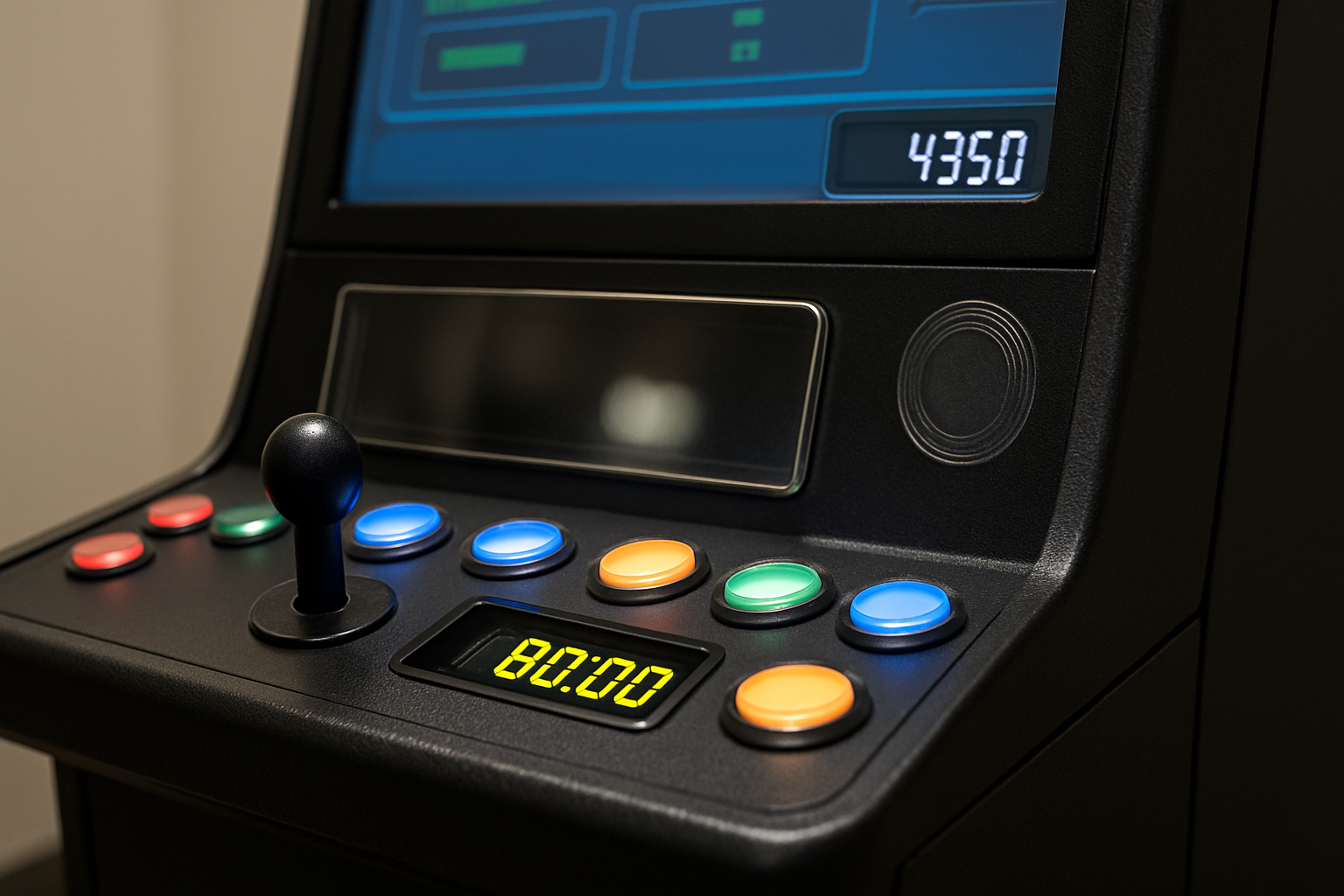
Pennsylvania lawmakers are getting serious about bringing skill gaming machines into a proper regulatory framework. House Bill 2557, now under review by the House Gaming Oversight Committee, doesn’t legalise these devices outright. Instead, it creates the rulebook that would govern them if the legislature decides to sanction their operation and taxation down the line.
Identification and Age Verification at the Core
The centrepiece of the proposal is straightforward: anyone using a skill game would need to prove their identity with valid documentation or an approved account system. No ID, no play. Absolutely nobody under 21 gets a go. That’s a sensible baseline that mirrors what online operators have been doing for years.
Spending Limits and Mandatory Breaks
Players would set a daily loss limit before starting a session, capped at $250. You can go lower whenever you want, but you cannot raise that limit while actively playing. The bill also mandates breaks between rounds and enforced pauses after extended play sessions. During these breaks, the machine displays session time and results.
These aren’t draconian. They’re practical friction points that give players a chance to step back and assess what’s happening.
Location Matters
Currently, skill games sit in convenience stores and petrol stations across the state. The bill would change that. Machines would be confined to licensed liquor venues or specially approved gaming zones restricted to adults only. Each establishment would face limits on how many machines it can operate.
That’s a marked shift from the current wild west arrangement. Makes sense from a regulatory standpoint.
Oversight and Revenue Direction
The Pennsylvania Gaming Control Board would handle oversight, with real-time monitoring of wagers and payouts through a centralised system. Regulators could shut down non-compliant machines and fine operators who step out of line.
The bill also directs at least 3% of future tax revenues toward problem gambling treatment and prevention programmes. Researchers would gain access to anonymised player data to better understand gambling behaviour and develop harm-reduction approaches.
Whether HB 2557 becomes law will partly depend on a pending court decision that could clarify how Pennsylvania classifies skill games legally. But the framework itself shows the legislature is thinking seriously about how to manage these machines as a mature regulatory problem. Rather than pretending they don’t exist, they’re actually building something workable.