Philadelphia Theft Exposes the Messy Reality of Unregulated Skill Games
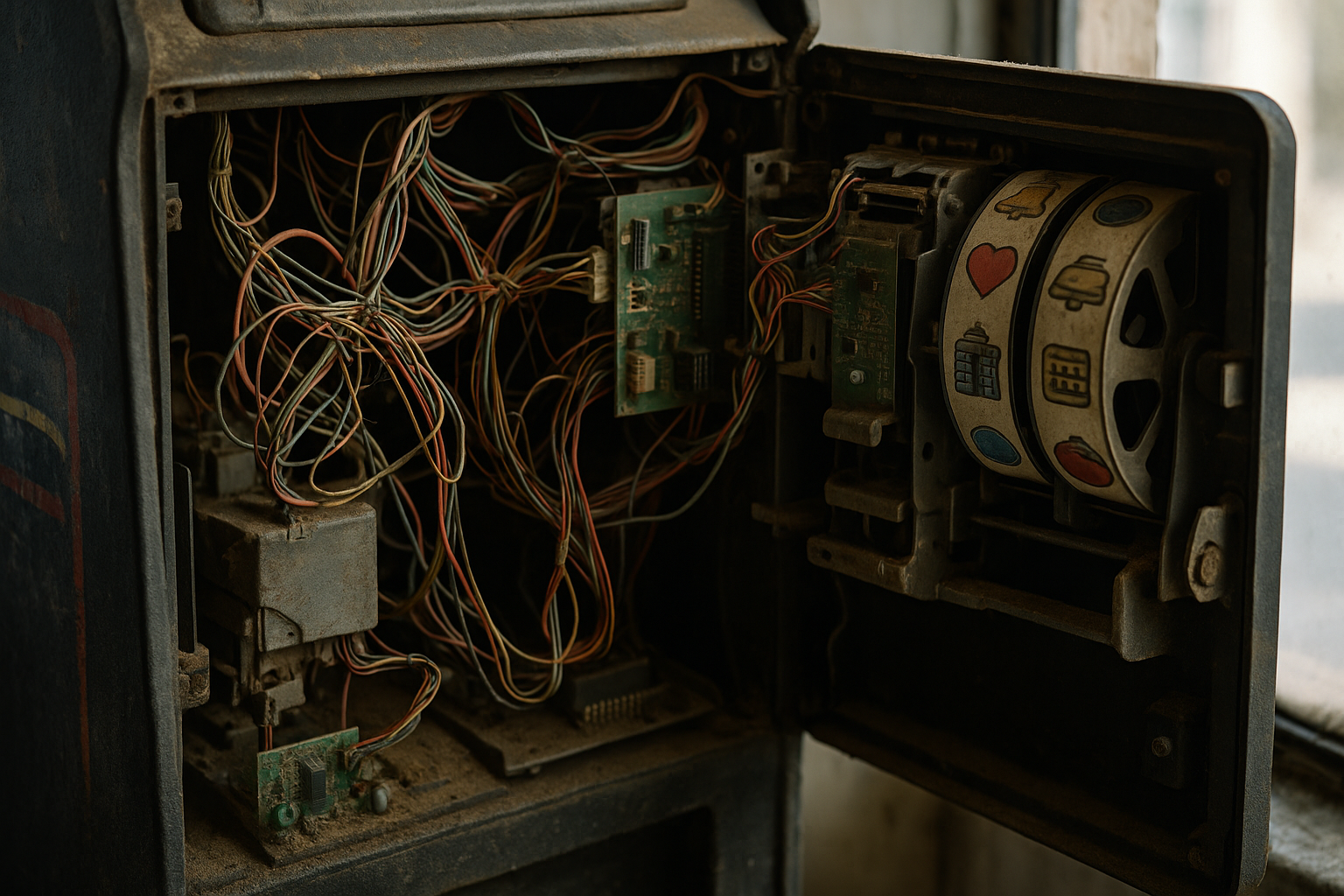
A brazen early morning heist at a Philadelphia gas station has dragged the city’s thorny skill game problem back into the spotlight. Two suspects walked into a Sunoco convenience store in Tacony around 4 a.m. on Thursday, unplugged an 8,000-pound gaming terminal, wheeled it onto a cart, loaded it into a truck, and vanished. Police say the machine contained roughly $8,000 in cash when it disappeared.
The Skill Game Question
This isn’t just petty theft. The stolen device is a so-called “skill game,” a slot machine that lets players influence outcomes through button presses and interactions. That distinction matters because it sits in a legal grey zone. Operators and manufacturers argue these machines are games of skill, not gambling. Regulators and critics say that’s marketing nonsense, frankly. The machines behave like slots, pay out like slots, and attract the same crowds and crime.
Pennsylvania’s Supreme Court is expected to rule soon on whether skill games actually qualify as gambling under state law. That decision will reshape the entire industry in the state.
Philadelphia’s Failed Crackdown
Back in August 2024, Philadelphia tightened the rules. The city limited how many machines could operate in certain venues, banned cash payouts in favour of electronic transfers, and restricted placement in liquor-licensed establishments. Sensible measures, on paper at least. The problem? Enforcement has been nearly impossible. These terminals remain scattered across convenience stores and neighbourhood shops, sitting in a legal netherworld that makes them easy targets for theft and harder for local authorities to control.
Law enforcement has repeatedly linked skill games to serious criminal activity, from theft to worse. The machines attract money. Money attracts criminals.
What Comes Next
State lawmakers are currently weighing formal regulation. Proposals include consumer safeguards, gameplay limits, and monitoring systems. Supporters say clear rules would reduce harm and protect vulnerable players. Opponents worry about economic and social fallout. What nobody disputes is this: the current situation doesn’t work. Machines exist in legal limbo, crime follows, and honest operators get lumped in with dodgy convenience stores running unlicensed terminals.
Until Pennsylvania’s courts and legislature sort this out, expect more theft, more enforcement headaches, and more calls for genuine regulation. The Tacony case is just another symptom of a problem that needs a real cure, not a patch.