Request Network Tackles Crypto Payments Head-On With Wallet Screening For iGaming
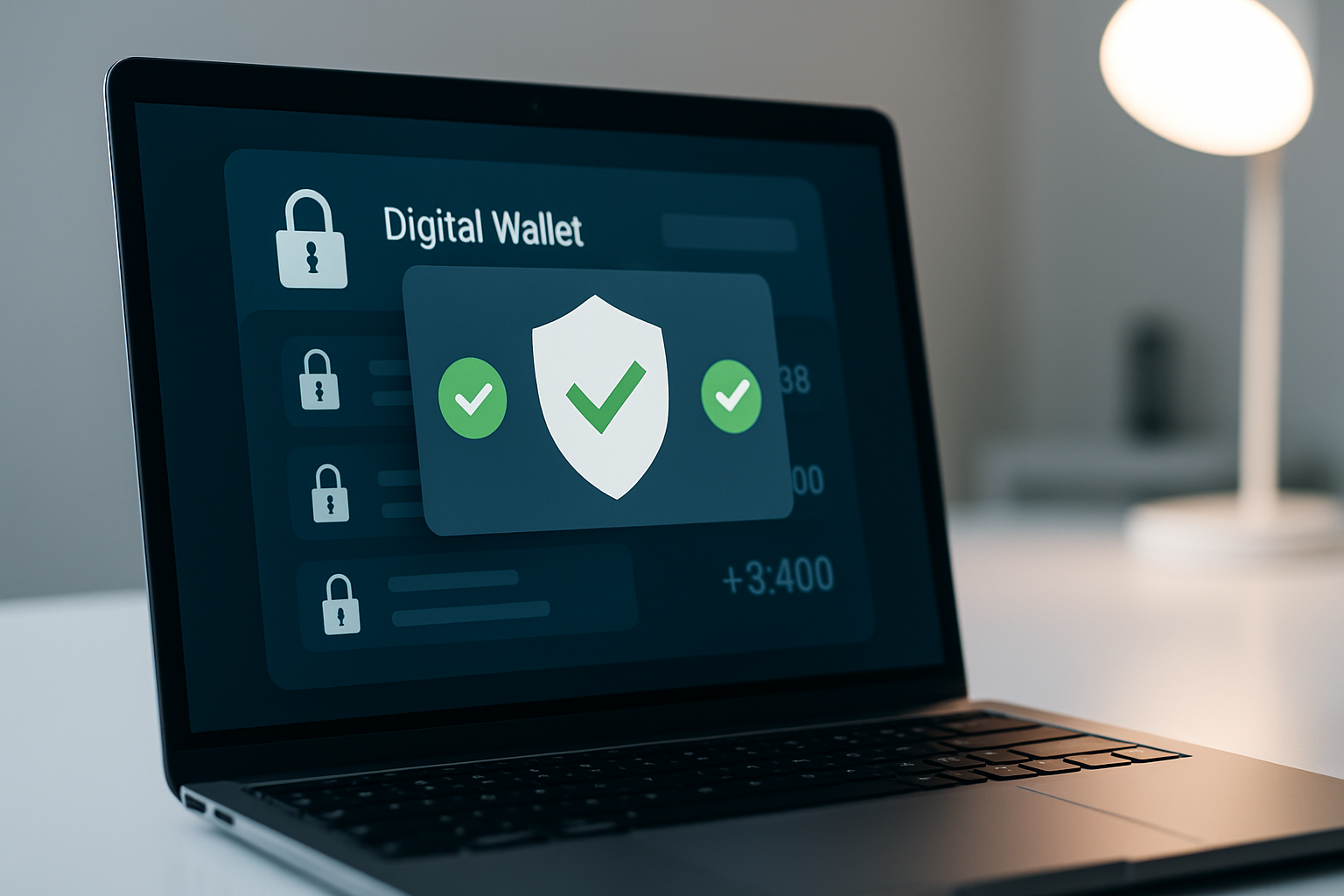
Request Network has just launched a suite of tools designed to streamline cryptocurrency payments for iGaming operators, tackling friction points that have haunted the sector since it first embraced digital assets at scale. The decentralized payment protocol now offers cross-chain functionality, wallet screening, and simplified player deposits that could genuinely reshape how operators handle crypto transactions.
The Problem With Fragmentation
iGaming operators have wanted to accept crypto for years. The reality, though? Messy. Players hold assets across multiple blockchains and tokens. Operators accepting crypto payments faced a stark choice: manage wallets on every chain themselves, or outsource to payment processors and hand over control. Both approaches created friction, cost, and real risk.
Request Network’s solution cuts through it. Operators now maintain a single wallet but can accept payments across seven major chains: Ethereum, BNB Chain, Tron, Base, Polygon, Arbitrum, and Optimism. The protocol handles cross-chain swaps and bridging in the background. For operators, it’s one integration. For players, it’s genuinely simple.
Making Deposits Frictionless
Crypto deposits have always been clunky for players. You’d bridge assets, swap tokens, manage gas fees, sometimes run test transactions to verify wallet addresses were correct. That’s the sort of process that kills conversions flat.
Request Network’s decentralized payment page strips it down to essentials. Players select their preferred chain and token, approve the transaction (gasless), and the deposit completes. The protocol handles the complexity behind the scenes. Early reports suggest completion rates actually compete with traditional payment methods.
Compliance Screening That Actually Works
Here’s where things get interesting for operators. Most wallet screening happens after funds arrive, which means operators are already exposed to asset freezing and blacklisting by the time compliance flags an issue. It’s reactive. It invites legal headaches.
Request Network flips it. The protocol screens sending wallets before funds move, integrating with Hypernative’s compliance policies to flag high-risk wallets upfront. Players either pass screening and deposit, or they don’t. No frozen assets. No post-transaction legal procedures. That’s a meaningful shift in risk management for operators handling on-chain payments.
Screening results get stored on the protocol too, giving operators a full audit trail if they need to defend their fund provenance to regulators.
Resilience Over Reliance
The broader appeal here is structural. Operators have traditionally relied on either a fragmented ecosystem of crypto processors (multiple integrations, maintenance headaches) or larger centralised payment providers (regulatory risk, changing appetites, potential service discontinuity). Neither scales well.
Request Network, built as a decentralized, permissionless protocol by a Swiss foundation since 2017, offers a third path. It’s not owned by any single company. It can’t arbitrarily change terms or exit markets. Operators get access to 95 percent of global stablecoin supply through a single integration, with competitive pricing and genuine neutrality.
That architectural confidence matters. It’s the difference between a convenience and a dependency you can actually trust.
What the team thinks
Carl Mitchell says:
Look, I’ve seen operators chase crypto payments like it’s the next big thing for nearly a decade now, and wallet screening is genuinely a step forward that addresses real compliance headaches, but Hartley’s piece glosses over the fact that most British punters still don’t trust or understand crypto enough to make this a game-changer for player acquisition. What would’ve been useful is some hard numbers on adoption rates from operators already running Request’s tools, because in my experience, the infrastructure rarely matters as much as player education and regulatory clarity in this market.