Russia’s Far East Doubles Down with $273M Casino Green Light
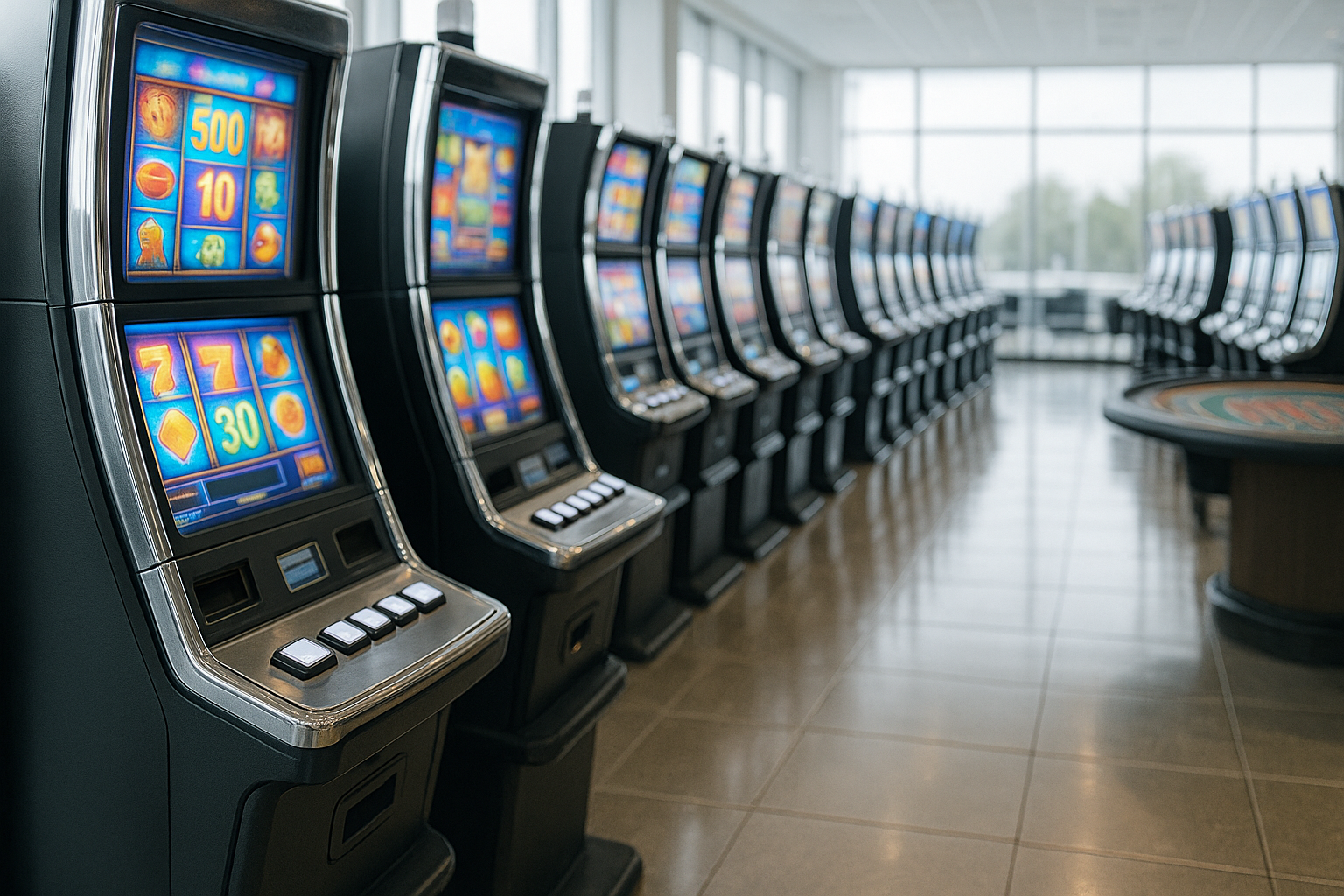
Russia’s gambling zones are genuinely on an expansion roll. The Primorsky Krai government has just greenlit Samson Group’s ambitious plans for a new $273 million casino complex in the Far Eastern Primorye zone. It signals serious commitment to building out tourism infrastructure across the region.
A Major Development Taking Shape
The complex will be substantial. We’re talking 75,000 square metres anchored by an 800-room five-star hotel. Samson Group CEO Kristina Zakharchenko framed the project as part of a broader economic vision for the region, promising over 1,500 jobs and meaningful investment in tourism capacity.
The developer will also contribute to renovating an adjacent industrial park as part of the deal, which was finalised during the St. Petersburg International Economic Forum. The casino sits on an 8.9-hectare plot, though the exact location and opening timeline haven’t been made public yet.
Competition Heating Up Across Multiple Zones
This move comes as Russia’s gambling zones experience real surge in development. The Primorye cluster already hosts two operational casinos, Tigre de Cristal and Shambala, with a Chinese-funded casino in the works following a $194 million deal signed last year.
Beyond the Far East, momentum is building elsewhere. Herman Gref, Sberbank chief and one of Russia’s most influential business figures, is backing a new Siberia-based resort that industry experts reckon will rival Macao in quality. Shambala is expanding its Kaliningrad presence with a five-storey addition and expanded gaming floors. Then there’s Samson Group itself, planning the White Dune integrated resort in Kaliningrad, a $543 million undertaking targeting around 1.1 million annual visitors.
The Bigger Picture
Industry observers note a clear geographic split in strategy: Kaliningrad and Sochi developments cater primarily to domestic tourists, whilst Far Eastern casinos are explicitly positioned to capture Chinese visitor spending. With Kaliningrad authorities committing 16 billion rubles in state budget support over three years, the investment thesis appears sound.
Beyond land-based expansion, Russia’s Ministry of Finance has also tabled proposals to legalise and regulate online casinos. Of course, the move has attracted controversy from opposition lawmakers and Orthodox Church leaders.