South Africa’s Regulator Sounds Alarm on Illegal Betting Surge Ahead of 2026 World Cup
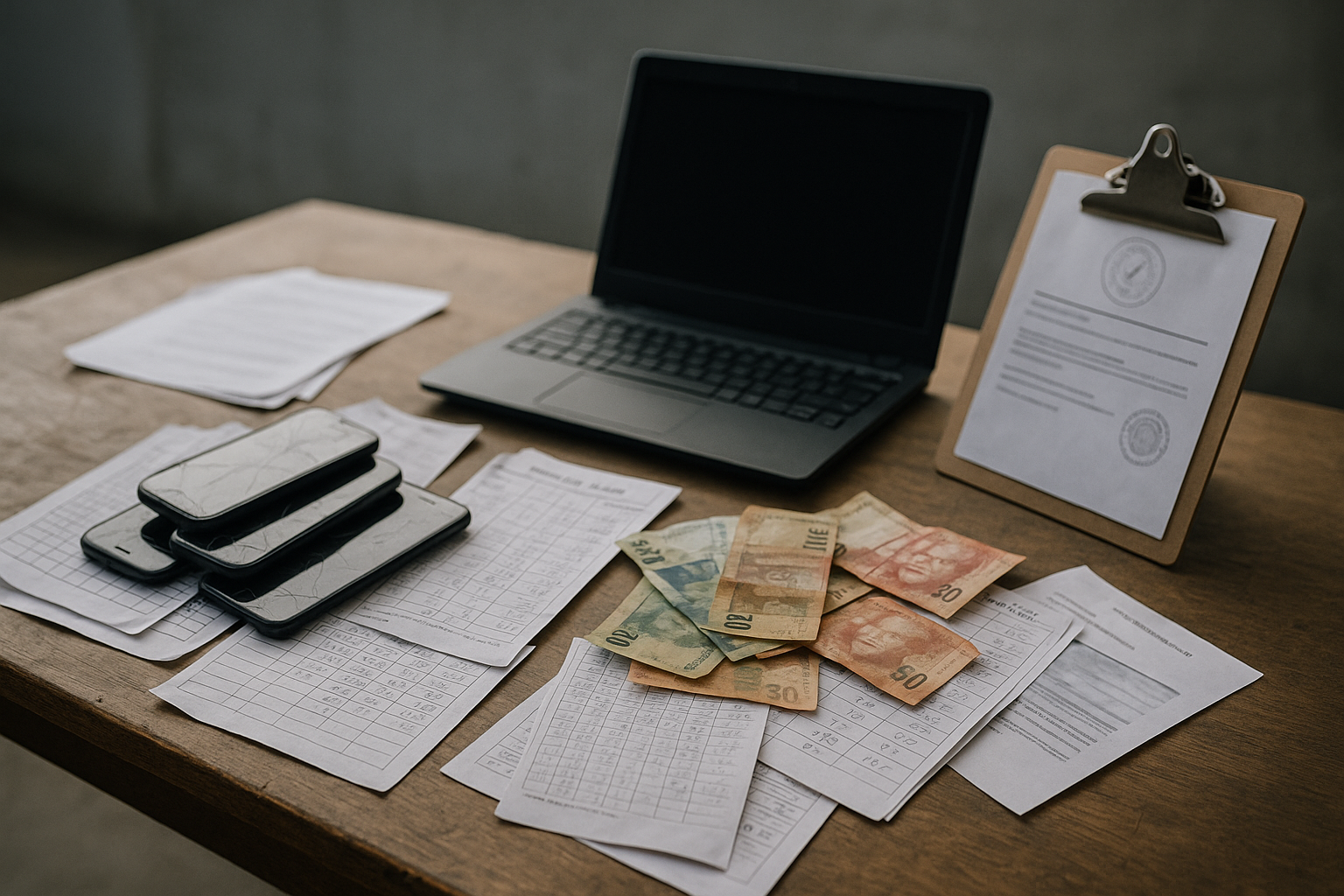
South Africa’s National Gambling Board has sounded the alarm. Fraudulent betting platforms and counterfeit applications are proliferating as the 2026 FIFA World Cup approaches. The regulator makes a compelling point: major sporting events create predictable spikes in betting activity, and criminal operators exploit this ruthlessly to defraud unsuspecting punters.
The Anatomy of the Scam
Lungile Dukwana, acting CEO of the NGB, paints a picture of illegal operators casting a wide net across digital channels. Fake betting platforms are alarmingly convincing. They mimic legitimate bookmakers by appropriating names, logos, and branding wholesale. Victims deposit funds and are shown inflated account balances or fabricated wins. Then comes the catch: when they try to withdraw, requests for additional payments appear. Supposed taxes. Verification fees. Other ostensible charges. Once these secondary payments go through, the platforms simply vanish or block all communication.
The distribution network is equally sophisticated. Criminals leverage Facebook advertisements, WhatsApp messages, Telegram groups, SMS links, and fake social media pages to reach victims. Mobile applications downloaded outside official app stores represent another vector entirely, letting operators dodge the scrutiny of legitimate distribution channels.
Consumer Identification and Legal Recourse
The NGB has published criteria for identifying licensed South African operators. Legitimate bookmakers operate exclusively through official websites and do not use push notifications or unauthorised applications to promote their services. The regulator has directed consumers to its verified gambling operators portal, launched earlier this year to combat illegal activity and maintain an authoritative list of licensed businesses.
Here’s the sobering bit: victims of these scams have virtually no legal recourse to recover lost funds. Proceeds from illegal gambling are subject to confiscation by authorities, but this offers little comfort to defrauded consumers. The situation creates secondary problems for the legitimate industry too, as businesses may inadvertently support or promote rogue platforms through partnerships or affiliations.
The Broader Picture
Beyond fraud concerns, the NGB has highlighted the risk of escalating problem gambling during the World Cup period. The regulator is urging employers and families to monitor for warning signs: chasing losses, borrowing money to gamble, neglecting work or social responsibilities.
The warning aligns with broader regulatory efforts across the region. South Korea’s gambling authority, for instance, has reinforced advertising rules in the months leading up to the tournament, tightening restrictions on untargeted advertising and sports sponsorship tie-ins.
The NGB’s disclosure that its own verified operators portal has attracted criticism over accuracy and usability is telling. The regulator recognises room for improvement. By inviting stakeholder feedback, the board appears committed to strengthening the tool as a consumer safeguard. Whether it succeeds ultimately depends on widespread awareness and adoption among the betting public.
What the team thinks
Carl Mitchell says:
South Africa’s NGB is absolutely right to sound the alarm, and frankly, we’re seeing similar patterns across every major tournament cycle, from the Euros to the Commonwealth Games. What strikes me about this piece is that it’s focusing on the criminal operators, which is fair enough, but the real story is how legitimate regulated operators could be filling that gap if regulators and governments worked faster to get proper licensing frameworks in place, because right now the legal market isn’t moving quick enough to meet demand. The 2026 World Cup gives South Africa a genuine opportunity to build a robust, transparent betting ecosystem that protects consumers while cutting the legs out from under the fraudsters, but it’ll take coordination between regulators, licensed operators, and law enforcement starting now, not in 2025.