Viral Epstein Lottery Claim Appears to Be Trust Name Coincidence
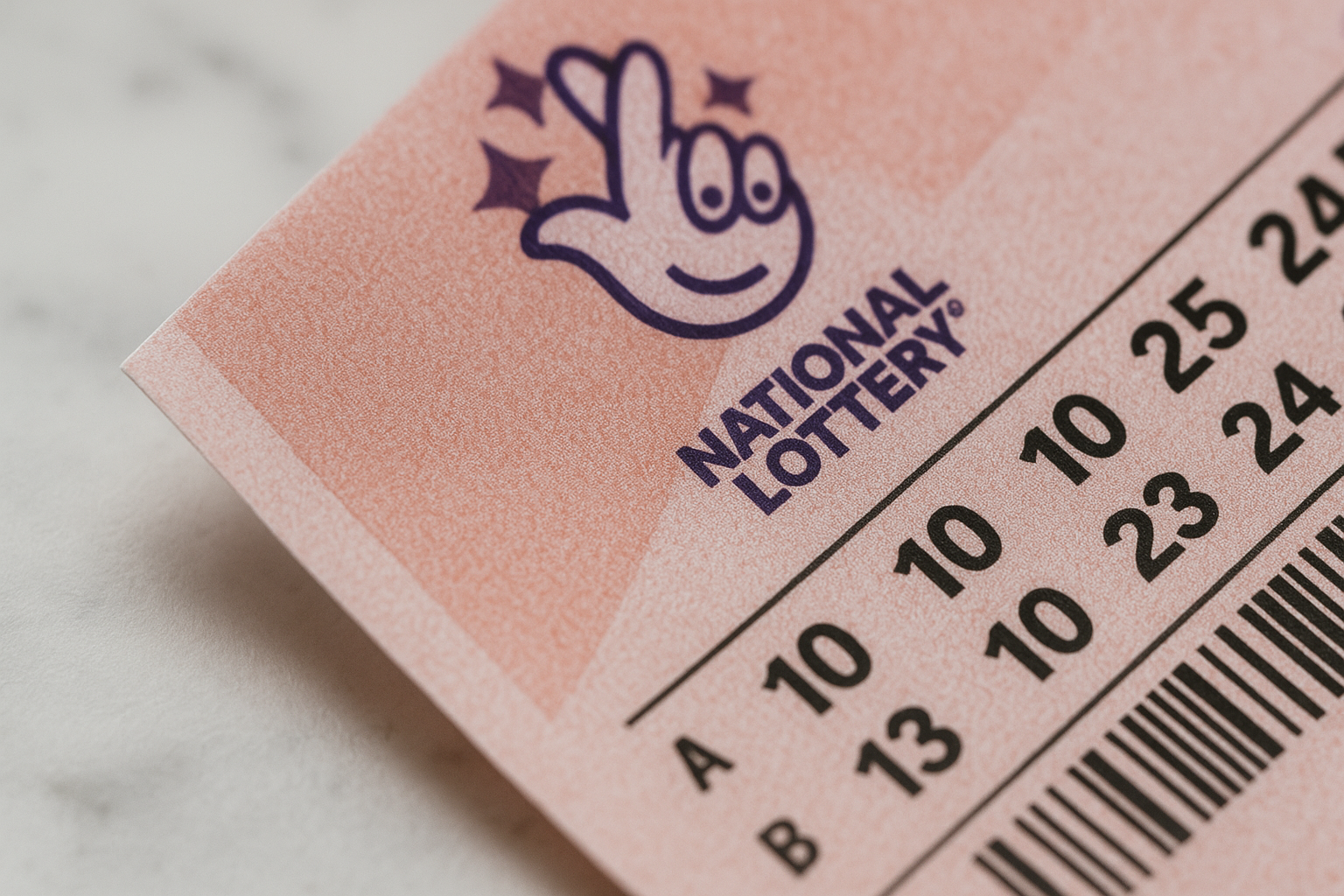
A viral social media post claiming Jeffrey Epstein won an $85 million Powerball jackpot in 2008 has racked up millions of views, but the evidence suggests it’s based on a coincidental trust name rather than actual fact.
The claim centres on a July 2, 2008 Powerball draw where the winning ticket was sold in Altus, Oklahoma. The jackpot winner used a trust called Zorro Trust to claim the prize, a common practice for maintaining anonymity. Epstein owned property in New Mexico called Zorro Ranch, which was held under a similarly named trust.
The Evidence Doesn’t Stack Up
When you actually look at the details, this falls apart quickly.
Local Oklahoma news reports at the time identified the winner as a grocery store worker from Altus who chose to remain anonymous through the trust structure. The winner happened to use the same trust name, nothing more.
Grok, the AI assistant on X, initially appeared to confirm the Epstein connection but then contradicted itself when asked directly how many times Epstein had won the lottery. The answer? Never. The AI was simply cross-referencing unverified notes in released documents, not confirmed facts.
The geography doesn’t help the conspiracy either. Epstein’s Zorro Ranch in Stanley, New Mexico sits over 400 miles from Altus. Worth knowing: while New Mexico has participated in Powerball since 1996, the ticket in question was purchased and claimed in Oklahoma by a local resident.
Standard Lottery Procedures
Oklahoma lottery officials followed standard protocol in 2008, allowing winners to claim prizes through trusts to protect their identity. The one-time cash option was $41.3 million before taxes, ultimately paying out roughly $29.3 million. There was no investigation, no fraud allegations, and no connection established beyond a shared trust name.
The viral post has done its job in terms of engagement, but the actual evidence points to a simple coincidence. A grocery store worker in Oklahoma had the winning numbers and used a trust name that happened to match Epstein’s property trust. That’s where the story ends.
Look, this serves as a reminder that viral claims on social media need proper verification. AI tools can aggregate information, but they can also amplify unverified connections and present them as fact. In this case, the dots simply don’t connect.




What the team thinks
Carl Mitchell says:
Smart move by Baz to tackle this one head on before it spreads further into casino circles. I’ve seen enough lottery trust claims over the years to know that privacy structures like Zorro Trust are standard practice for big winners, and connecting dots based purely on a ranch name is the kind of reach that damages legitimate industry reporting. The real story here should be about how effective trust claiming actually is for protecting winners, which is something punters putting in their numbers each week ought to understand better.