Washington State Files Second Major Loot Box Lawsuit Against Valve
Valve is facing another significant legal challenge over its loot box mechanics, this time in its home state of Washington. The lawsuit, filed in the US District Court for the Western District of Washington on 9 March, comes just weeks after New York’s Attorney General launched similar action against the gaming giant.
Allegations of Gambling Mechanics
The Washington suit takes particular aim at how Valve has structured its loot box system across titles like Counter-Strike. Attorney Steve Berman, representing the plaintiffs, stated the company “deliberately engineered its gambling platform and profited enormously from it.”
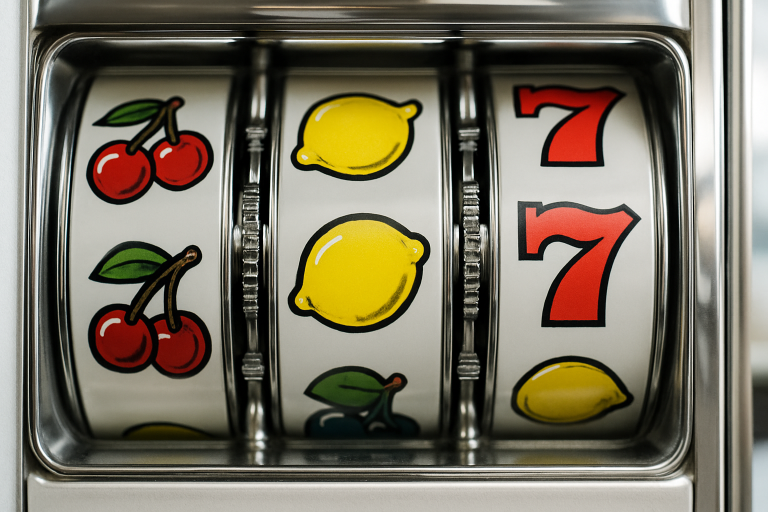
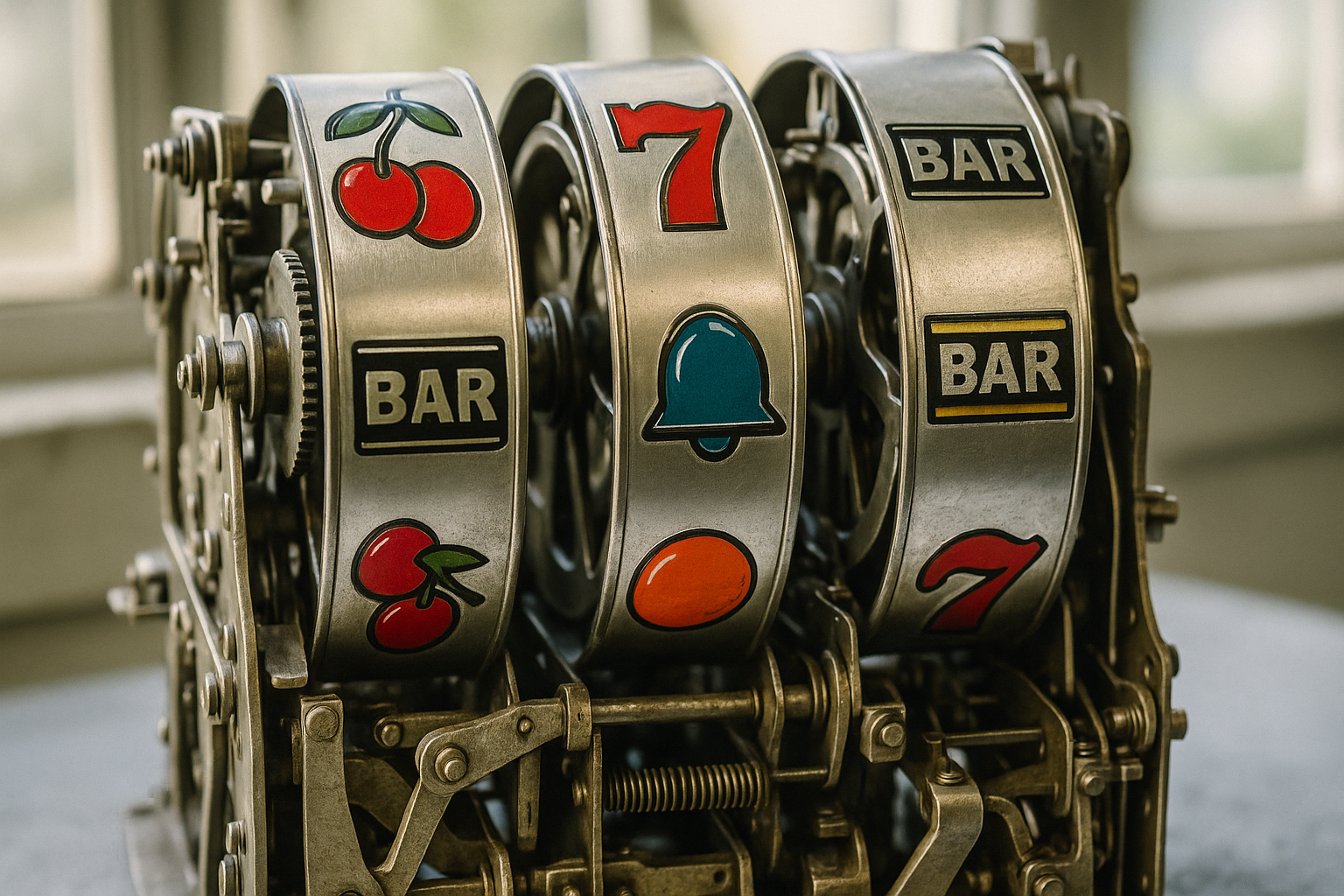
What’s interesting here is the focus on presentation as much as mechanics. The lawsuit highlights how opening these boxes visually mimics a slot machine, with potential prizes spinning across the screen before settling on a winner. It’s a deliberate design choice that creates familiar anticipation for anyone who’s spent time around gaming machines.
The economics tell quite a story. Valve charges $2.49 for keys to unlock Counter-Strike loot boxes, but the suit claims roughly 96% of items inside are worth less than that key price. Of course, there’s the crucial element that makes this model work: occasionally someone lands an item worth hundreds or thousands of dollars.
The Business Model Under Scrutiny
The numbers involved are substantial. According to tracking services cited in the lawsuit, players opened more than 400 million Counter-Strike loot boxes during 2023 alone. That translates to over $1 billion in key sales for Valve, which gives you a sense of why this business model has become so central to modern gaming economics.
Berman argues that “consumers played these games for entertainment, unaware that Valve had allegedly already stacked the odds against them.” The plaintiffs are seeking class action status, along with undisclosed restitution, damages, and legal fees.
Wider Industry Implications
This second lawsuit in quick succession suggests mounting pressure on established loot box systems. Whether these cases succeed or not, they’re forcing a conversation about how randomised rewards should be classified and regulated.
For an industry built partly on these mechanics, that’s a discussion with potentially far-reaching consequences.
The case is now working its way through the Washington federal court system, with plaintiffs pushing for jury trial. Given Valve’s headquarters are in Bellevue, Washington, this one hits particularly close to home for the company.