Westminster Debates Gibraltar Impact as MPs Question Remote Gaming Duty Hike
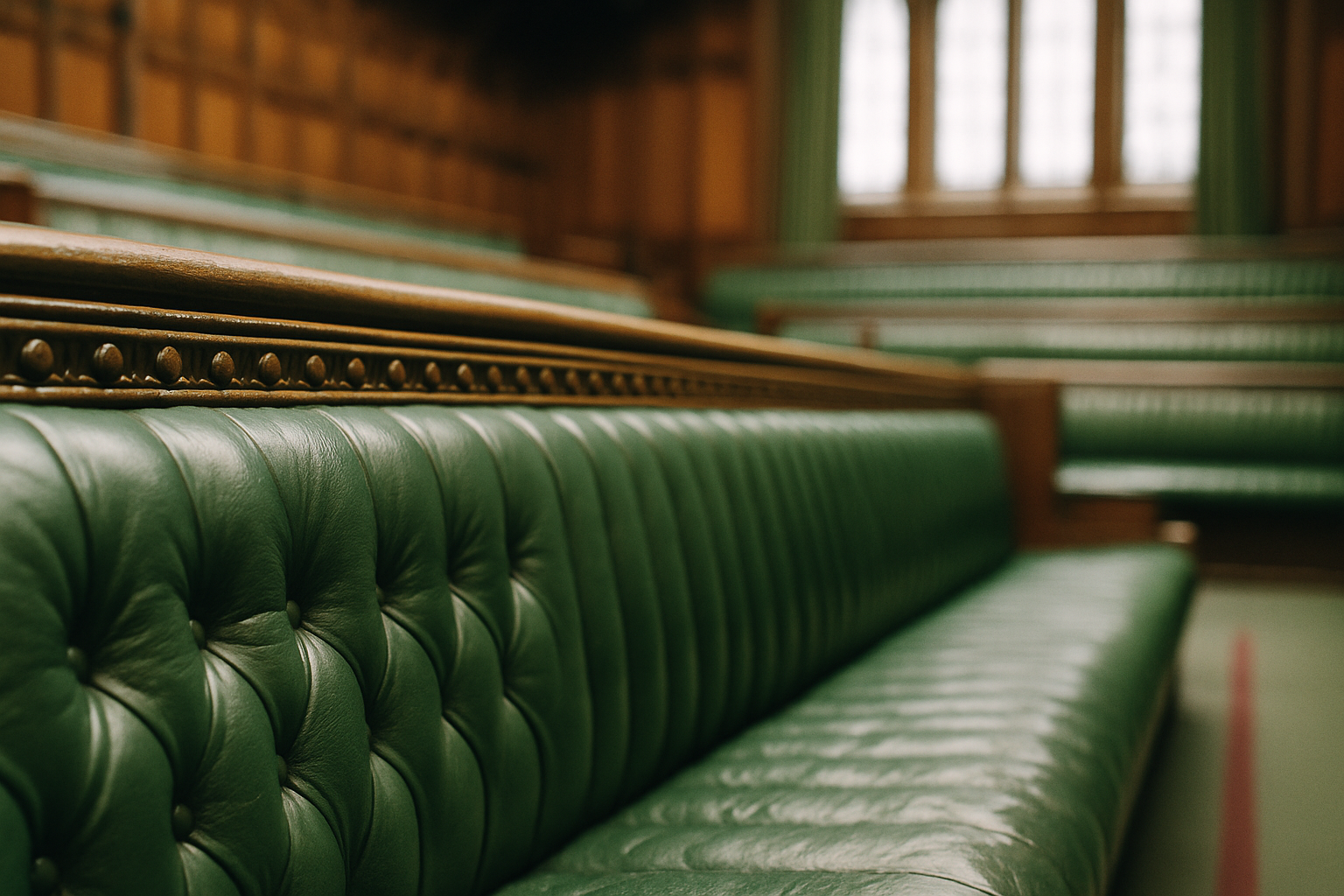
Westminster MPs this week scrutinised the potential economic fallout for Gibraltar from the UK’s forthcoming gambling duty increases, with backbenchers pressing the Treasury to formally assess the impact on the territory’s vital iGaming sector.
Labour’s Gareth Snell, representing Stoke-on-Trent Central, tabled an amendment to the Finance Bill during its third reading on Wednesday. The proposal would require ministers to publish an economic impact assessment by April 2027, specifically examining how the rise in Remote Gaming Duty to 40% and Remote Betting Duty to 25% affects Gibraltar’s economy.
The intervention highlights a real tension in the government’s tax strategy. While the Treasury seeks to extract greater revenue from online gambling operators, Gibraltar’s economy remains heavily dependent on the sector. Gambling generates approximately one third of its total tax receipts.
Snell framed the issue as one of unintended consequences rather than policy design. “One third of Gibraltar’s tax receipts come from the sector, so anything we do in this place that has an impact on the sector there would leave a huge hole in its economy, and that will have to be filled,” he told the Commons.
Gibraltar’s Stark Warning
Since Chancellor Rachel Reeves announced the duty increases in November’s autumn budget, Gibraltar’s Minister for Justice, Trade and Industry Nigel Feetham has issued increasingly pointed warnings about the potential damage.
In a December statement, Feetham described the measure as “an issue of vital importance to Gibraltar” that could directly and indirectly affect public revenues. His analysis suggested the effective tax burden on Gibraltar-based operators could reach between 80% and 100% when the new duties are applied, given they tax revenue rather than profit. The territory employs roughly 3,500 people directly in gambling, figures cited during the parliamentary debate confirmed.
The structural problem lies in how Gibraltar collects its own taxes. The territory levies charges on operators’ gross turnover, meaning any reduction in that turnover, or shifts in how UK customers wager, directly erodes Gibraltar’s tax base.
Snell warned the shortfall could run into tens or hundreds of millions of pounds.
Black Market Concerns Dismissed
The debate also touched on whether higher duties might drive UK punters toward unlicensed operators. A familiar concern whenever gambling taxation rises. Snell called for a parallel assessment of black market growth.
Alex Ballinger, MP for Halesowen, dismissed such fears as typical industry rhetoric. “Industries associated with harm use the black market as an excuse to avoid regulation or additional taxation,” he argued, adding that the regulated market remains dominant and past tax changes have not materially expanded illegal betting.
Ballinger cited a 2021 Gambling Commission study showing only a very small proportion of UK gamblers ever accessed unlicensed sites, suggesting the threat is overstated.
Government Holds Firm
Chipping Barnet MP Dan Tomlinson signalled the government would not amend the Finance Bill in response to Gibraltar’s concerns. He pledged ministers would “monitor the impact of the change” and maintain dialogue with the territory’s administration.
The exchange underscores a broader dilemma for UK policymakers. Extracting additional revenue from a mature and profitable sector is politically attractive, particularly when framed around funding public services. Yet Gibraltar’s status as a British Overseas Territory, with its own fiscal autonomy but deep ties to the UK market, creates complications that purely domestic tax policy need not consider.
As the Finance Bill progresses, the Gibraltar question is unlikely to disappear. With the territory’s economy so heavily weighted toward iGaming, and the new duty rates set to take effect, Westminster may yet face pressure to reconcile its revenue ambitions with the unintended consequences for one of its closest trading partners.




What the team thinks
Carl Mitchell says:
Fair play to Snell for raising this, but let’s be honest, Westminster’s more concerned about filling Treasury coffers than Gibraltar’s books. The real question nobody’s asking is what happens to player value when operators get squeezed harder, because those costs always find their way down to us punters through tighter slots and reduced bonuses. Would be nice to see an impact assessment that actually looks at how duty hikes affect the average player’s bang for buck, not just GDP figures in a territory most MPs couldn’t find on a map.