William Hill Glitch Credits Players With Six-Figure Payouts, Operator Scrambles to Recover Funds
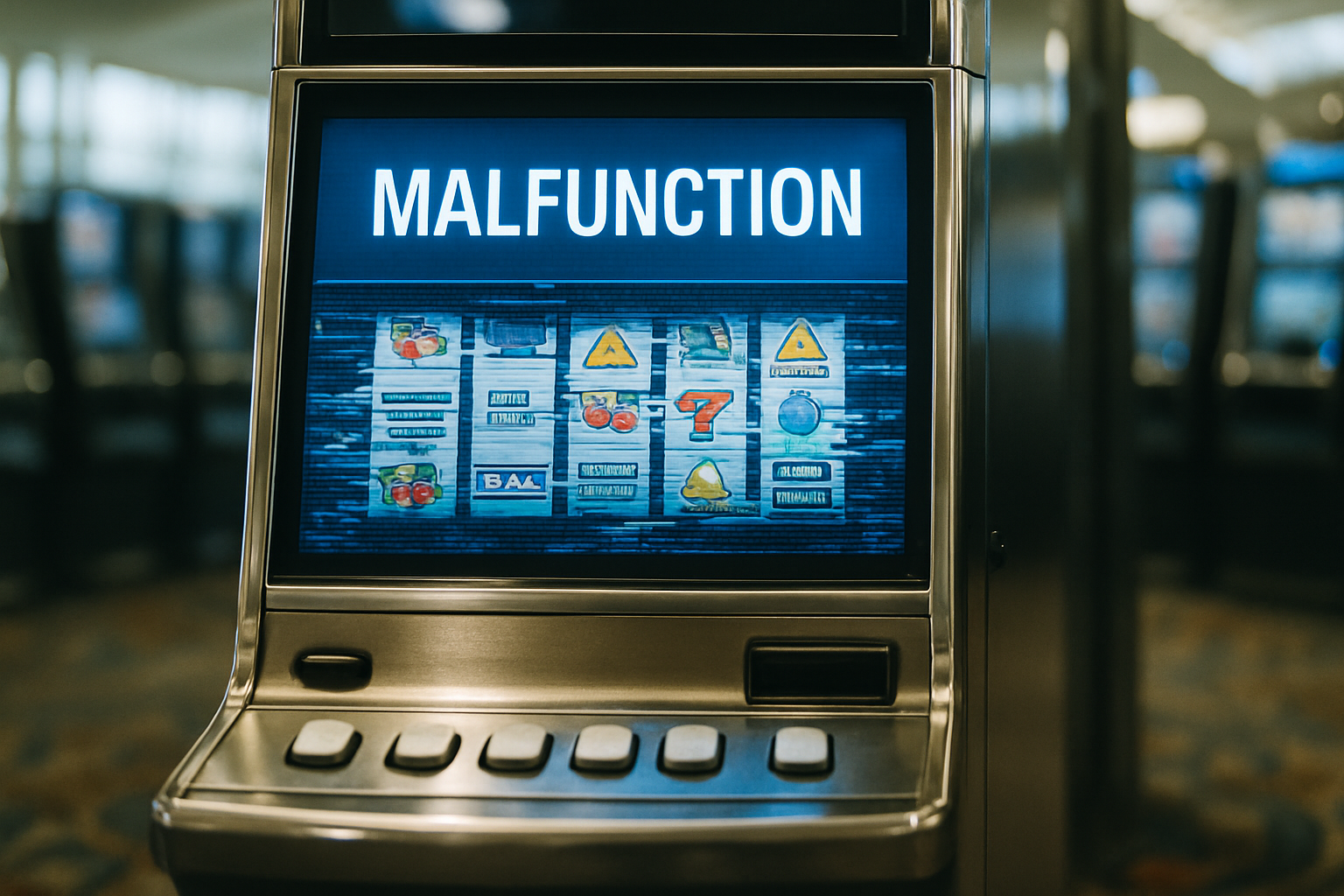
William Hill is attempting to claw back hundreds of thousands of pounds after a technical fault with its Jackpot Drop game credited players with enormous sums they never actually won. In the most extreme case, one player’s account was topped up with over £140,000. Another reportedly saw a staggering £330,000 appear in their balance.
The malfunction prompted a wave of withdrawals as players rushed to cash out their unexpected windfalls. William Hill responded by sending emails to affected customers, explaining that a routine platform review had uncovered the error and requesting the return of incorrectly paid funds.
The Damage Control Offer
In what appears to be an attempt to smooth things over, the operator has offered players 11% of their winnings if they voluntarily return the rest.
The company is leaning heavily on its terms and conditions, which allow it to void transactions and correct balances when game malfunctions occur.
One email sent to players stated the issue affected both account credits and withdrawal processing. “Our review has confirmed that certain balances credited to your account and subsequently withdrawn did not arise from valid gameplay,” the message read.
Social media lit up with screenshots of the payouts. One user on X shared what they claimed was their friend’s account balance showing more than £140,000. Another said his grandfather had withdrawn £33,000 of a £330,000 credit and was now facing threats of legal action if he didn’t hand it back.
Legal Precedent Could Complicate Recovery
William Hill faces a tricky situation given recent UK case law. Back in 2020, Paddy Power credited player Corrine Durber with over £1 million from what it claimed was a computer error, then tried to cap her winnings at £20,000.
She took them to court and won summary judgment last year without needing a trial.
The judge in that case delivered a pointed ruling that could haunt operators in similar disputes: “When a trader puts all the risk on a consumer for its own recklessness, negligence, errors, inadequate digital services and inadequate testing, that appears onerous to me.”
That precedent makes William Hill’s position considerably less certain than its confident tone suggests. While terms and conditions provide some protection, courts have shown willingness to side with players when operators try to dodge the consequences of their own technical failures.
Timing Couldn’t Be Worse
The glitch comes at a particularly awkward moment for the operator. Parent company Evoke launched a strategic review last year following UK tax increases, and has since delayed releasing its fourth quarter 2024 financial results.
The last thing the business needs right now is another hit to its reputation and potentially its balance sheet.
A William Hill spokesperson struck an optimistic note, saying the company is “hopeful that customers will be understanding” and has been “grateful for our customers’ understanding on this matter.” That might be wishful thinking given the sums involved and the legal precedent working in players’ favour.
The question now is whether William Hill can successfully recover the funds through goodwill and contractual terms, or whether this becomes another expensive court battle that sets further precedent on who carries the risk when casino software goes wrong.