Wisconsin Online Sports Betting Bill Clears Senate, But Implementation Far From Certain
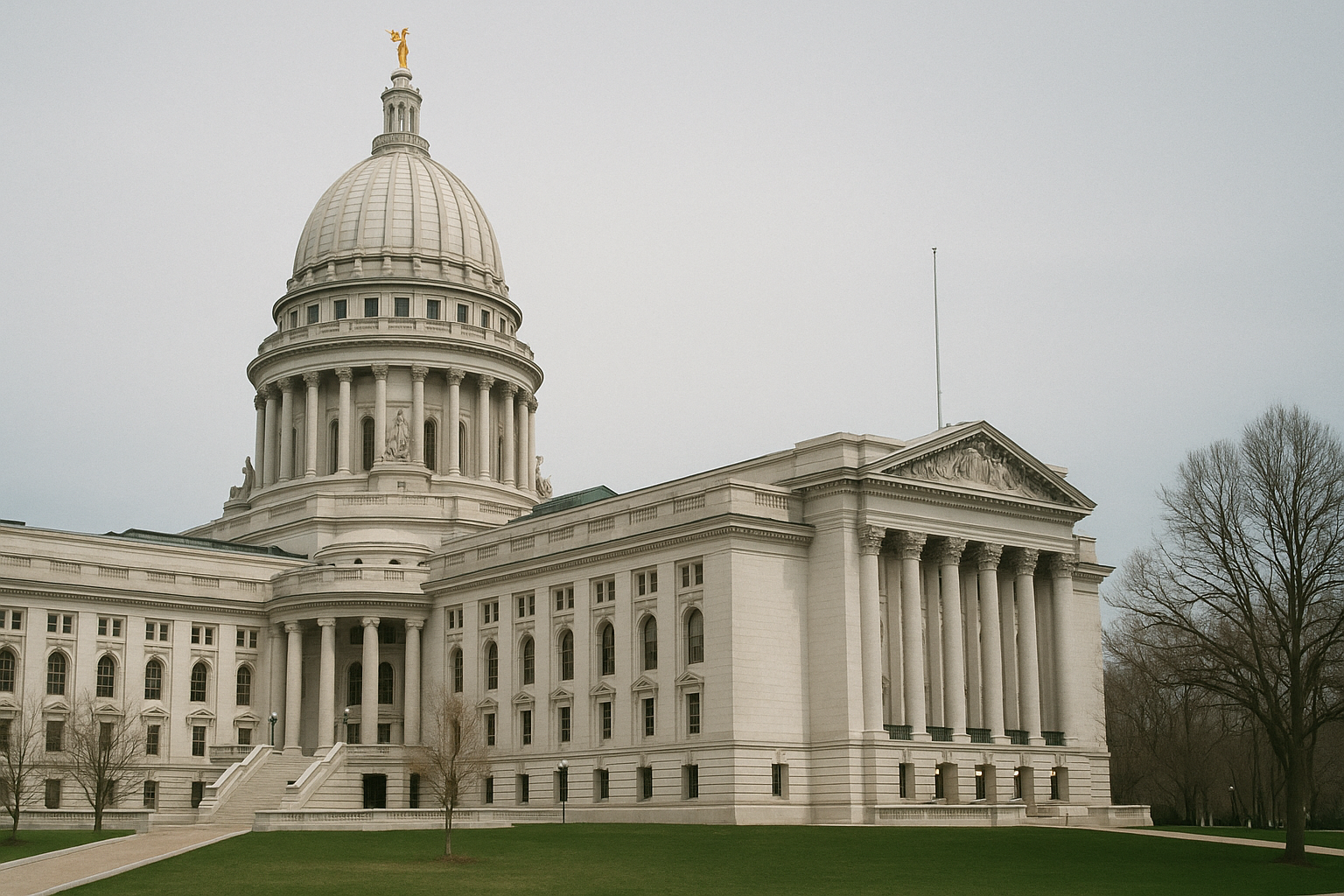
Wisconsin’s Senate has approved Assembly Bill 601 by a 21-12 bipartisan vote, moving the state one step closer to legalizing online sports betting. The legislation now sits on Governor Tony Evers’ desk. That said, significant obstacles remain before bettors see any action.
Tribal Monopoly Model Mirrors Florida Approach
The bill structures online sports betting around Wisconsin’s 11 tribal casinos, using Florida’s hub-and-spoke framework as a template. All wagers must be processed through servers located on tribal land. This effectively grants tribes exclusive control over the market.
Commercial operators can partner with tribes for technology and branding, but federal law requires at least 60% of revenue flow back to tribal entities. That revenue split has become the proposal’s most contentious element, frankly.
Revenue Share Creates Commercial Operator Concerns
The Sports Betting Alliance has called the 60% threshold unworkable. SBA representative Damon Stewart testified that no commercial operator can sustain a business model where more than half the revenue goes to a third party simply for market access.
That economic reality could limit which operators are willing to enter Wisconsin. Potentially reducing competition and consumer choice.
The state would become the 40th to legalize online sports betting, but with one of the least operator-friendly structures in the country.
Governor’s Position Remains Uncertain
Evers has previously stated he would sign legislation backed by Wisconsin’s tribes. However, he recently acknowledged that not all 11 tribes support the measure, complicating his decision.
Even if signed, implementation requires negotiating new gaming compacts with each tribe and securing approval from the Bureau of Indian Affairs. That process could take months or longer, assuming all parties reach agreement. And that’s a big assumption.
Public Opposition Adds Political Risk
Recent polling shows over 60% of Wisconsin residents oppose legalizing online sports betting. That level of public resistance gives political cover to anyone wanting to slow or derail the bill.
Senator Andre Jacque, who voted against the measure, highlighted concerns about gambling revenue coming disproportionately from those least able to afford losses. Supporters emphasize tax revenue potential. Opponents frame the discussion around social costs.
The bill’s rapid progress through the legislature may yet stall at the governor’s desk or during the compact negotiation phase. Wisconsin bettors shouldn’t expect mobile wagering anytime soon, regardless of yesterday’s vote.



What the team thinks
Sheena McAllister says:
While the Florida model provides a workable template for tribal exclusivity, the real test will be whether Wisconsin can avoid the legal challenges that plagued Florida’s initial rollout. From a regulatory standpoint, requiring server location on tribal lands creates significant compliance complexity around geolocation verification and patron protection measures that goes well beyond traditional land-based oversight. Governor Evers will need to ensure robust technical standards are in place before launch, otherwise Wisconsin risks the kind of implementation delays that have undermined consumer confidence in other newly regulated markets.