Wynn’s Dubai Resort Push Faces Fresh Uncertainty as Middle East Tensions Linger
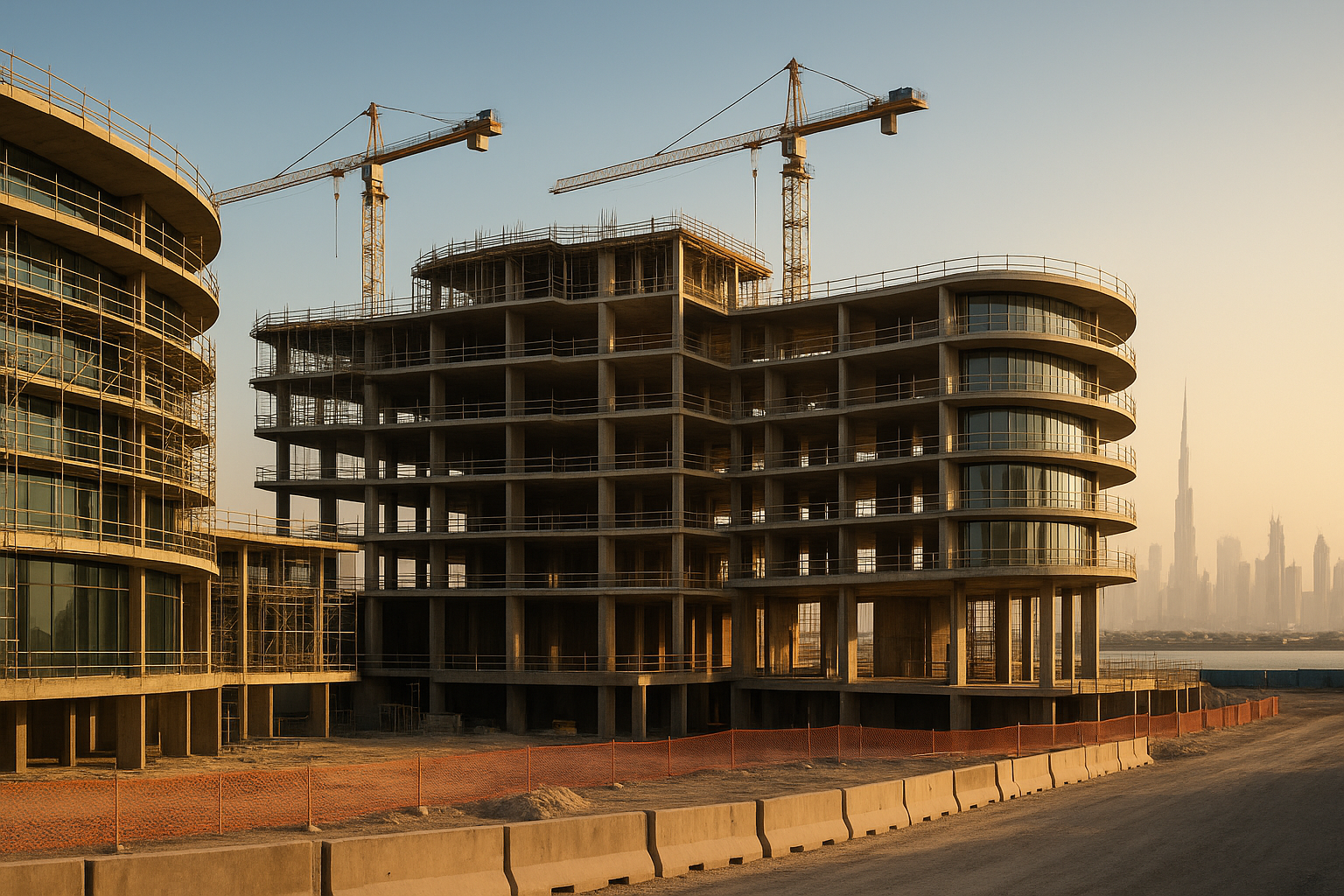
Wynn Resorts’ ambitious Al Marjan Island project in Dubai faces another potential setback as ongoing Middle East tensions threaten to derail its Q1 2027 opening timeline. The luxury integrated resort, one of the most significant developments in the UAE’s gaming expansion, has already weathered construction halts triggered by regional conflict, and sources close to the project now suggest further delays remain a real possibility.
Disruption, But Not Derailment
This isn’t the first time geopolitical volatility has complicated matters for Wynn’s UAE venture. The company temporarily suspended construction work earlier this year before resuming operations in March, when leadership confirmed it was monitoring the situation closely. Despite the interruptions, Wynn has publicly expressed confidence in the UAE’s security posture and its ability to protect critical infrastructure.
The timing is awkward, frankly. The UAE, as a US ally, has found itself in a delicate position, actively defending against drone and missile threats while maintaining its economic openness. For Wynn, the calculus is straightforward: occasional delays are an acceptable cost for first-mover advantage in a genuinely emerging market.
A Market Worth the Risk
The broader opportunity here? It’s substantial. The UAE has shifted dramatically on gaming regulation over the past 18 months. Last year’s decision to permit online betting through licensed platforms marked a watershed moment for a jurisdiction that previously maintained strict prohibitions. That regulatory pivot signals serious intent from local authorities to develop a competitive gaming scene.
Industry forecasters reckon the UAE could become a $5 billion market if authorities greenlight additional venues. Al Marjan Island, as Wynn’s flagship property, would anchor that expansion and capture significant share as the market matures.
Geopolitical uncertainty is never ideal. For operators betting on emerging markets, though, it’s often part of the terrain. The real question for Wynn investors isn’t whether delays will happen, but whether the long-term market potential justifies the near-term headaches. On current evidence, the company is confident the answer is yes.
What the team thinks
Philippa Ashworth says:
Baz raises a crucial point about geopolitical risk in major iGaming expansions, though I’d argue the real story isn’t whether Wynn delays again, but whether Dubai’s broader gaming ambitions can attract institutional capital while regional tensions persist, forcing operators to price in genuine long-term stability premiums. What’s worth watching is whether this uncertainty actually accelerates the shift toward Southeast Asian markets where regulatory frameworks are maturing without the same headline risk. The UAE’s gaming pivot remains strategically sound, but confidence in execution timelines is now the scarcest commodity in the sector.