Alabama Police Raid Illegal Gaming Operation in Decatur, Five Arrested
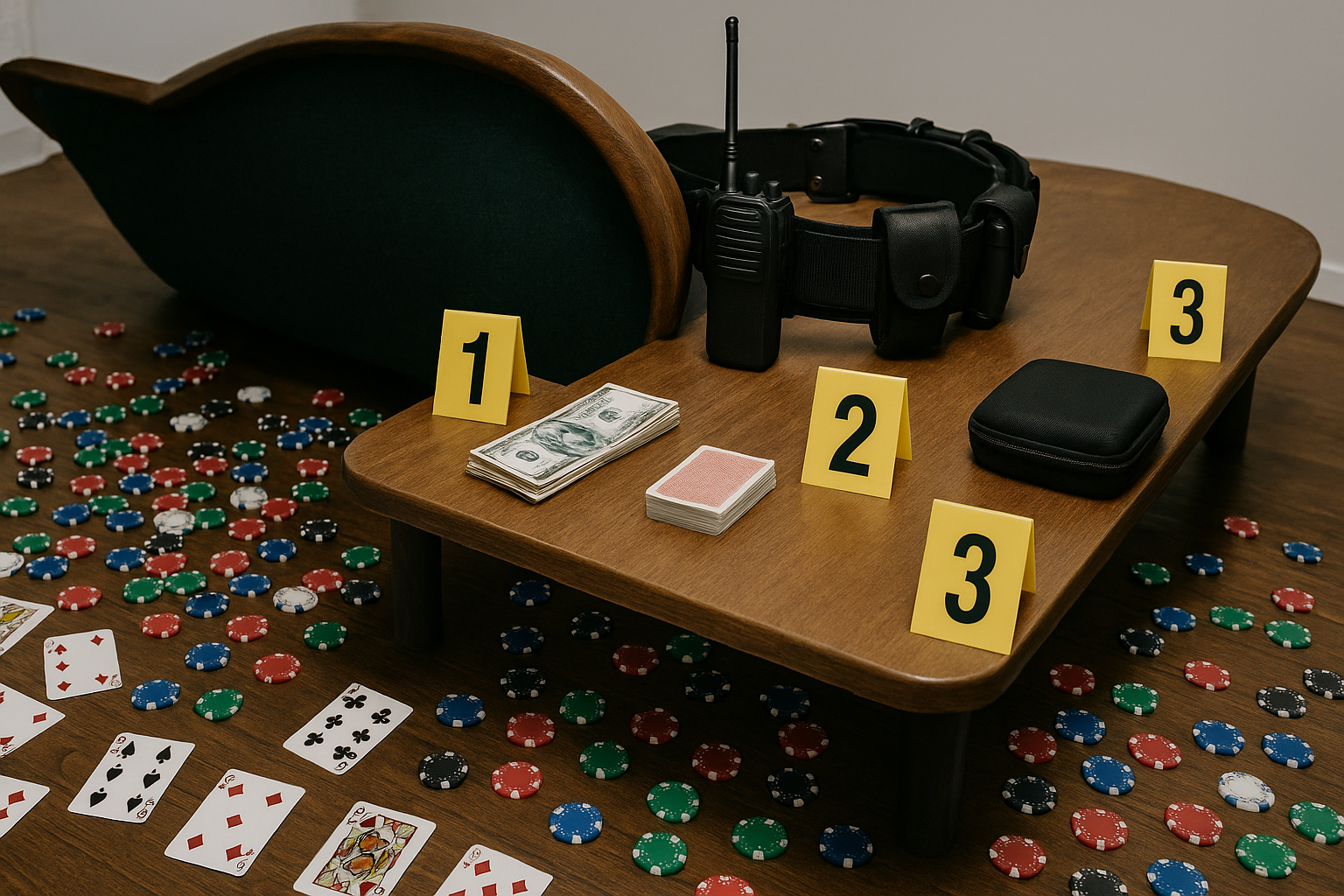
Police in Decatur, Alabama executed a search warrant on an illegal gambling operation in October, resulting in five arrests and the seizure of multiple gaming machines, cash, and an assault rifle. The raid highlights ongoing enforcement against unlicensed gambling activities in a state with some of America's strictest gaming laws.
The Raid and Arrests
Acting on months of community complaints, the Decatur Police Department's Vice/Narcotics Unit and Special Enforcement Team descended on a property in the 1000 block of Hoover Avenue SW on October 20. They found several illegal gambling devices, an undisclosed amount of cash, and a firearm. Five suspects were arrested and subsequently released on bond.
Specific charges and individual details weren't fully disclosed, but authorities targeted illegal promotion of gambling and related offences. What this raid really shows is the persistent problem of unlicensed gaming venues operating beneath the regulatory radar, particularly in states with restrictive frameworks.
Alabama's Tight Gaming Landscape
Alabama's stance on gambling is notably severe compared to most American states. The state effectively prohibits traditional gambling devices and commercial casinos, making it one of the few jurisdictions where the industry operates under tight federal and tribal restrictions.
The Poarch Band of Creek Indians, a federally recognised tribe, currently holds the monopoly on legal casino operations in Alabama, running three gaming properties under tribal gaming compacts. Eight other state recognised tribes lack federal status and can't operate casinos under the same framework.
Greyhound racing remains legal. That said, only 11 US states permit it, and no active tracks operate after Victoryland closed its doors in 2011.
Industry Pressure for Market Access
The restrictive environment hasn't stopped operators from pursuing market entry. Gaming and Wagering International (VGW), which operates Chumba Casino, LuckyLand Slots, and Global Poker, has ramped up lobbying efforts in Alabama, including campaign contributions to political figures. This reflects broader industry strategy to crack open conservative gaming markets.
The Decatur raid demonstrates why these battles matter. Without legal, regulated alternatives, demand inevitably migrates toward unvetted, unlicensed operators. The real policy question isn't whether Alabamians gamble. It's whether the state wants to regulate that activity or leave it to enforcement raids.