Australian Player Takes Royal Caribbean to Court Over Casino Ban
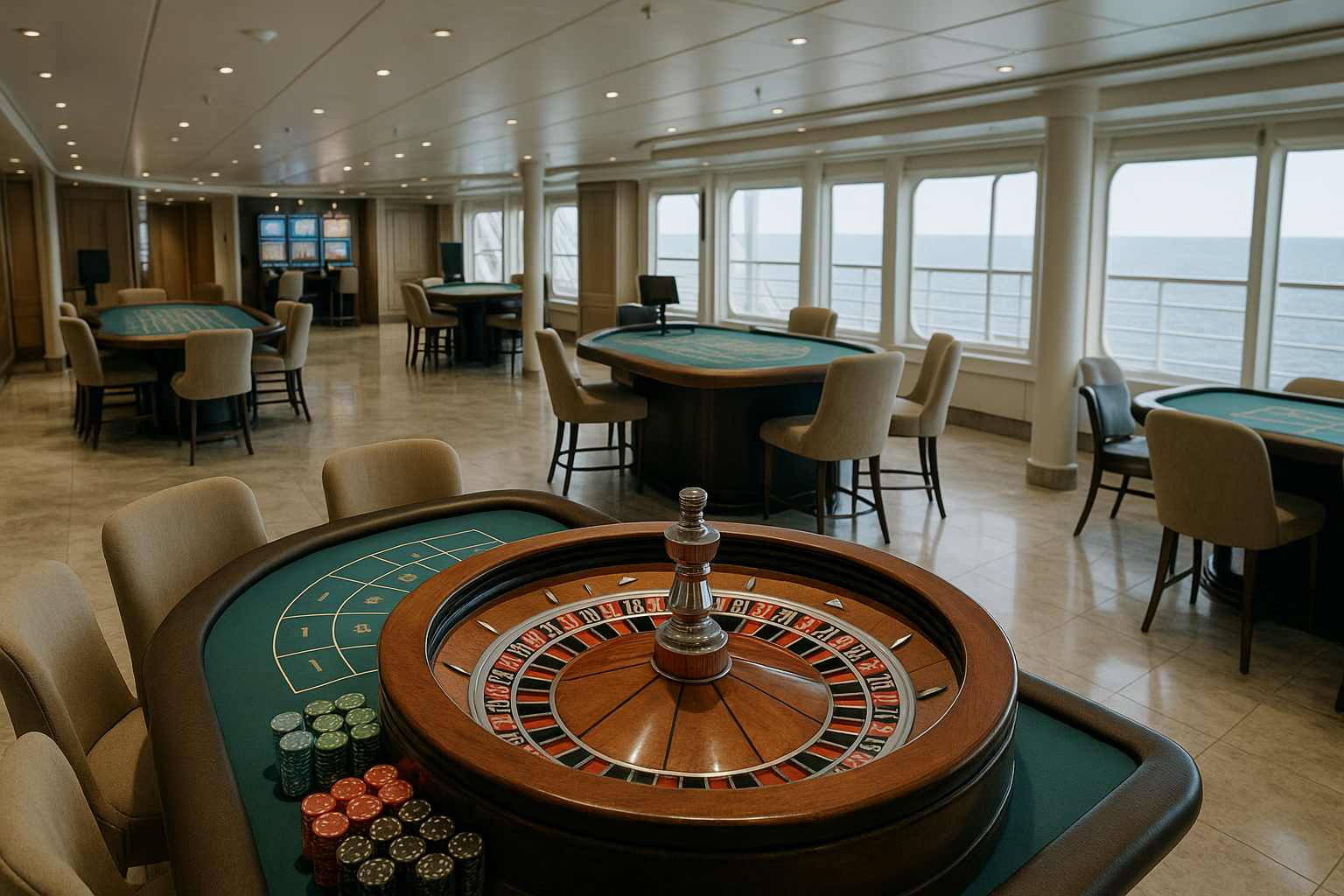
An Australian casino player is heading to court against Royal Caribbean after the cruise line banned him from sailing and using its onboard casinos, claiming he was card counting. Mark Timothy Grant, who previously won a legal dispute with Star Casino, is now challenging the cruise operator's decision to place him on a "no sail" list.
The Disputed Ban
Grant had booked five Royal Caribbean cruises worth AUD 22,000 combined, using winnings from the cruise line's own casinos. Before boarding his first voyage, however, he was informed he'd been banned for allegedly breaking house rules. Card counting, Royal Caribbean claimed, was the reason for the prohibition.
When Grant pursued the matter through Queensland's Civil and Administrative Tribunal, his initial claim was dismissed. He appealed, though. The court agreed it qualified as a consumer-trader dispute, keeping the case alive.
A Familiar Legal Battle
This isn't Grant's first tangle with casino operators. Star Casino previously accused him of "edge sorting" – exploiting minor imperfections in card design to gain an advantage. That case, however, ruled in his favour. The court found that a competent casino operating correctly shouldn't fear advantage players, and that what Grant had done didn't constitute cheating.
Grant's always maintained that advantage play sits in a legal grey area, distinct from outright dishonesty. His Star Casino victory suggested Australian courts may actually share that view.
Different Playing Field
Royal Caribbean's taking a firmer stance. The cruise line's official policies explicitly prohibit card counting alongside other breaches like recording devices at tables, inappropriate chip handling, and deviating from house rules. They're adopting a harder line than some land-based venues on what counts as acceptable play.
Here's what matters: does a cruise operator have the right to ban a player based on suspected card counting, or does consumer protection law require clearer evidence of actual wrongdoing? That's the real question before the tribunal.
Grant's previous legal success gives him grounds for optimism, granted. Royal Caribbean's explicit policy against the practice, though, may present a different test altogether.