Brazil's Abrupt Betting Ban: Lula Shuts Down $5.8m Licensed Industry Overnight
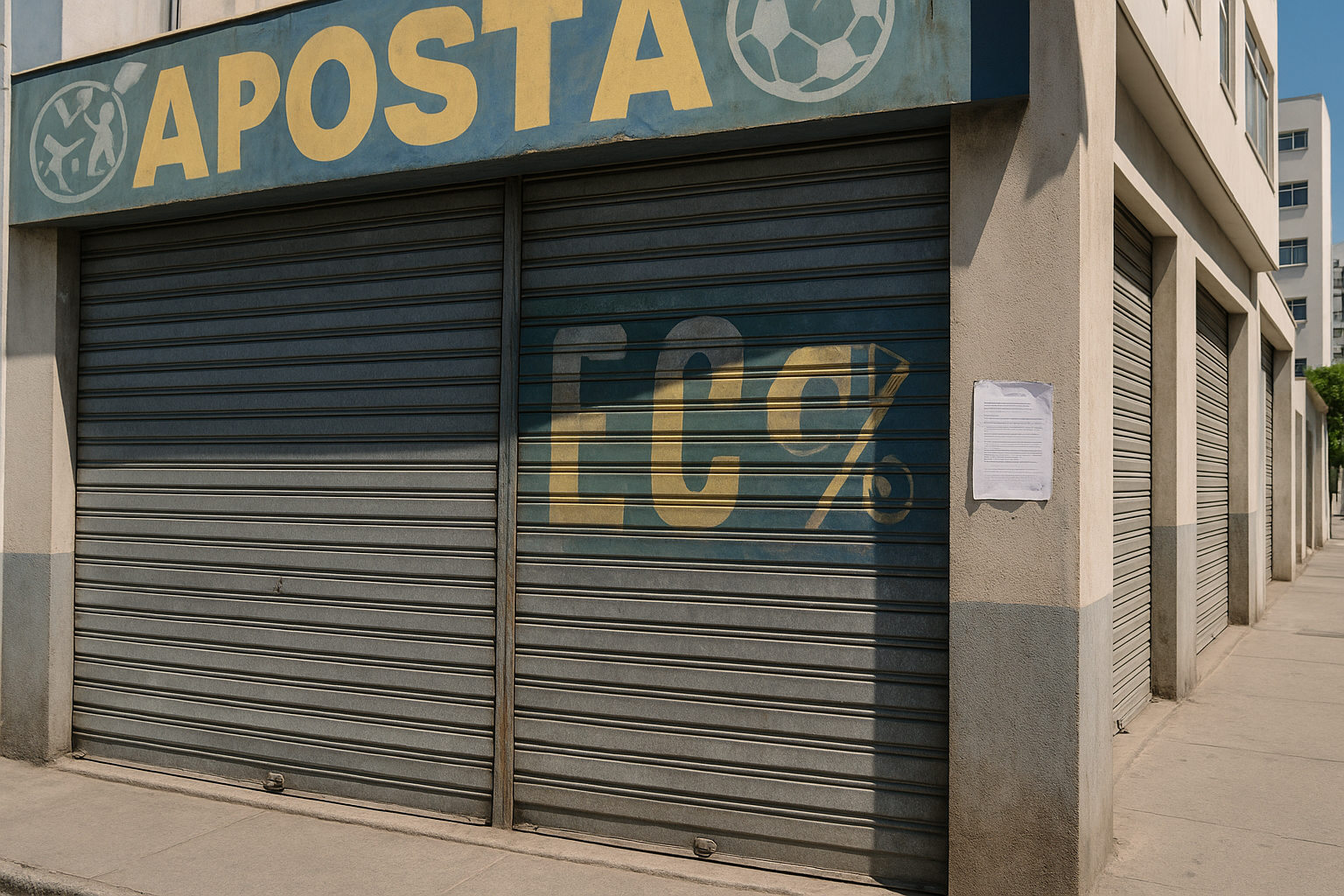
President Luiz Inácio Lula da Silva has issued a provisional measure that will effectively end online sports betting in Brazil from 6 October, dealing a dramatic blow to nearly 90 licensed operators and triggering an immediate legal standoff over one of the industry's most aggressive regulatory reversals.
The ban kicks in immediately upon publication, prohibiting operators from accepting new customer deposits. Bettors have until 5 October to request withdrawals, with the government mandating that any unclaimed funds be credited to accounts between 9 and 14 October before all licensed sites face blocking.
Sudden Policy Reversal
This represents a stunning about-face from a market that only recently achieved formal licensing. Each of the licensed operators paid BRL30 million, approximately $5.8 million, in licence fees. That suggests serious government coordination in setting up the regulated framework before dismantling it just months later.
Finance Minister Dario Durigan pinned the reversal on perceived ineffectiveness of existing regulatory mechanisms, citing severe cases of gambling addiction and damage to family finances as justification. The government claims it will maintain enforcement mechanisms to block unlicensed betting websites and has called for public reporting of illegal operators.
More significantly, Lula's administration plans to submit urgent legislation to Congress establishing criminal penalties of four to six years imprisonment for anyone operating or promoting sports betting. Financial institutions processing such transactions face two to four years imprisonment.
Legal Challenges and Industry Response
Industry bodies are already mobilising legal challenges. The National Association of Games and Lotteries (ANJL) has warned that the ban will eliminate thousands of jobs, trigger billions in lost tax revenue, and drive bettors into the unregulated market. The association describes the move as unprecedented globally and claims it violates constitutional principles around free enterprise.
Licensed operators are expected to pursue compensation claims for licence fees, investments, and lost profits. That will likely create protracted legal disputes. The government will also face complications from Brazilian states that have independently regulated sports betting through their state lottery systems.
The Brazilian Institute of Responsible Gaming echoed industry concerns, warning that the rapid shutdown will have significant economic and legal consequences and will undermine the formalisation and control that the licensed market had achieved.
Market Uncertainty Ahead
The speed and severity of the action create substantial regulatory uncertainty. Coming amid Brazil's domestic political cycle, industry observers question whether this represents a permanent policy shift or a temporary measure ahead of elections.