CFTC Chief Warns State Prediction Market Rules Risk Fragmenting US Market
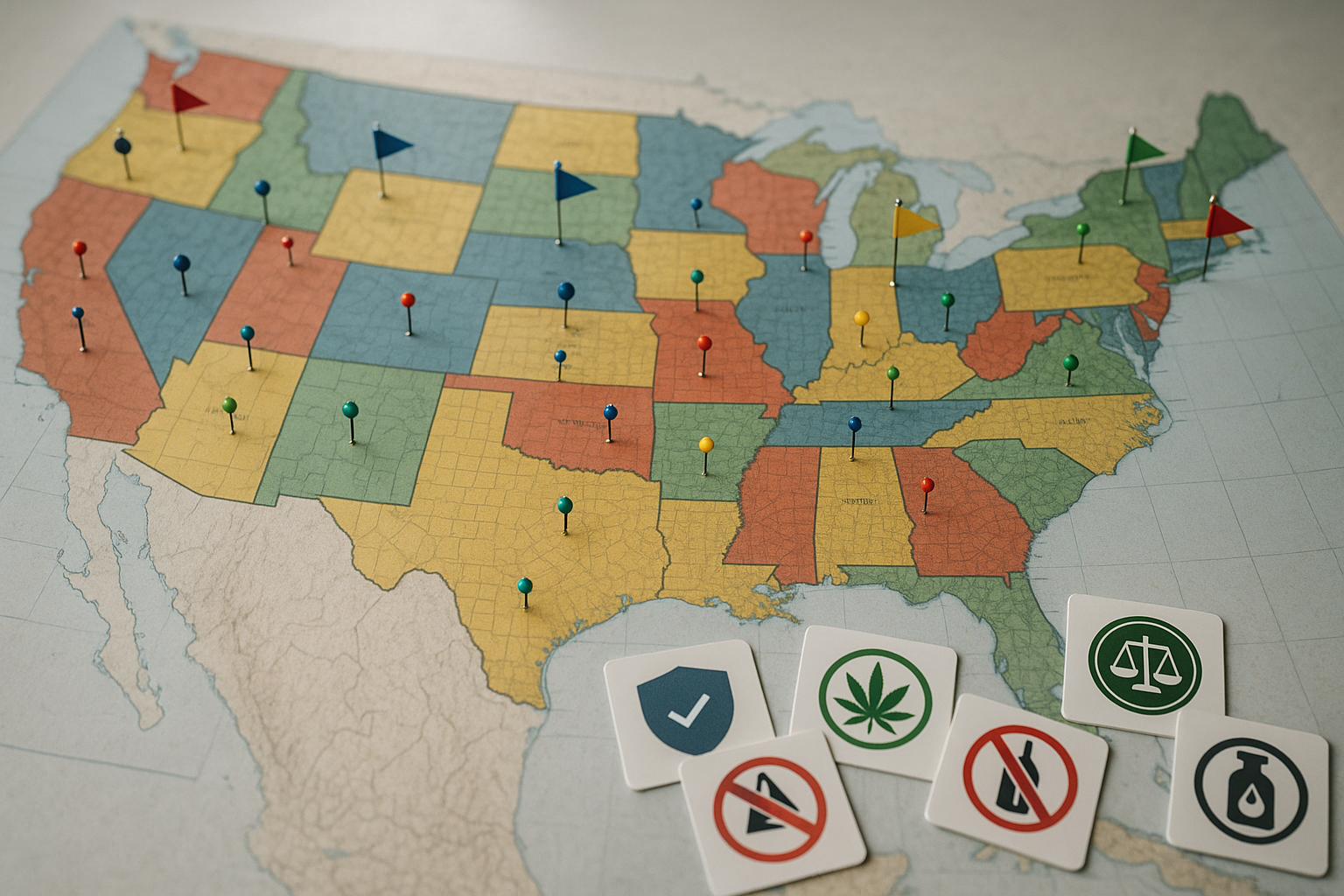
America's top commodity regulator is sounding the alarm. Michael Selig, Chairman of the Commodity Futures Trading Commission, warns that state-by-state efforts to police prediction market operators risk fracturing the federal financial system. And frankly, there's no sign this legal battle will end anytime soon.
He made his case this week at Nebraska's Flyover Fintech conference, laying out why allowing states to impose their own rules on prediction markets would fundamentally undermine national market integrity. The timing matters: multiple states, including New York and Utah, have already escalated enforcement actions against prediction market platform Kalshi.
The Race to the Bottom
Selig's real worry? What he calls a potential "race to the bottom" scenario. Here's how it works: if states can impose additional compliance costs or criminal penalties on federally regulated exchanges, operators simply relocate to more permissive jurisdictions like Florida or Texas. Stricter states get left behind. That fragmentation, he argues, defeats the whole purpose of federal regulation.
His words were blunt: "If states can impose certain additional requirements or certain criminal penalties on exchanges, then we don't have a federal, national market system here in the United States. This is very concerning, and it's really important that we fight these attempts by the states to nullify federal law."
State Enforcement Intensifies
New York has been particularly aggressive. The state is reportedly seeking $36 billion in damages from Kalshi and issuing subpoenas over allegedly underage sports-related transactions. Not to be outdone, a Utah federal judge recently upheld that state's right to apply its own gambling laws to the platform.
But here's where Selig's strategy gets interesting. Rather than backing Kalshi and other operators directly in their legal fights, the CFTC is pursuing separate lawsuits against states instead. Selig says this lets the commission control the narrative and focus on specific legal issues without getting tangled up in third-party litigation.
The Definition Dispute
Strip away the legal posturing, and you find a fundamental disagreement: what exactly are prediction markets? Selig insists they function as financial derivatives with specific settlement terms and guarantees. Gambling they're not. He even highlighted practical applications for agricultural producers managing crop price risk.
Congress isn't buying it. Some senators recently introduced legislation cutting CFTC funding for state litigation. Online commentators, meanwhile, have suggested something simpler: exclude sports contracts from prediction markets and watch the consensus appear.
The Long Fight Ahead
Recent court wins for prediction markets in Minnesota suggest the industry may ultimately prevail. But legal experts are cautious. Even victory won't end the conflict, they warn. State legislatures can simply rewrite the rules, and public concern over underage participation keeps enforcement appetite high.
The CFTC appears committed to a protracted federal strategy, betting that clear legal victories will establish national supremacy over state regulation. Whether that actually holds up against determined state attorneys general? The jury's still out.