Circle K Lottery Dispute: Former NFL Executive Backs Manager's $12.8 Million Claim
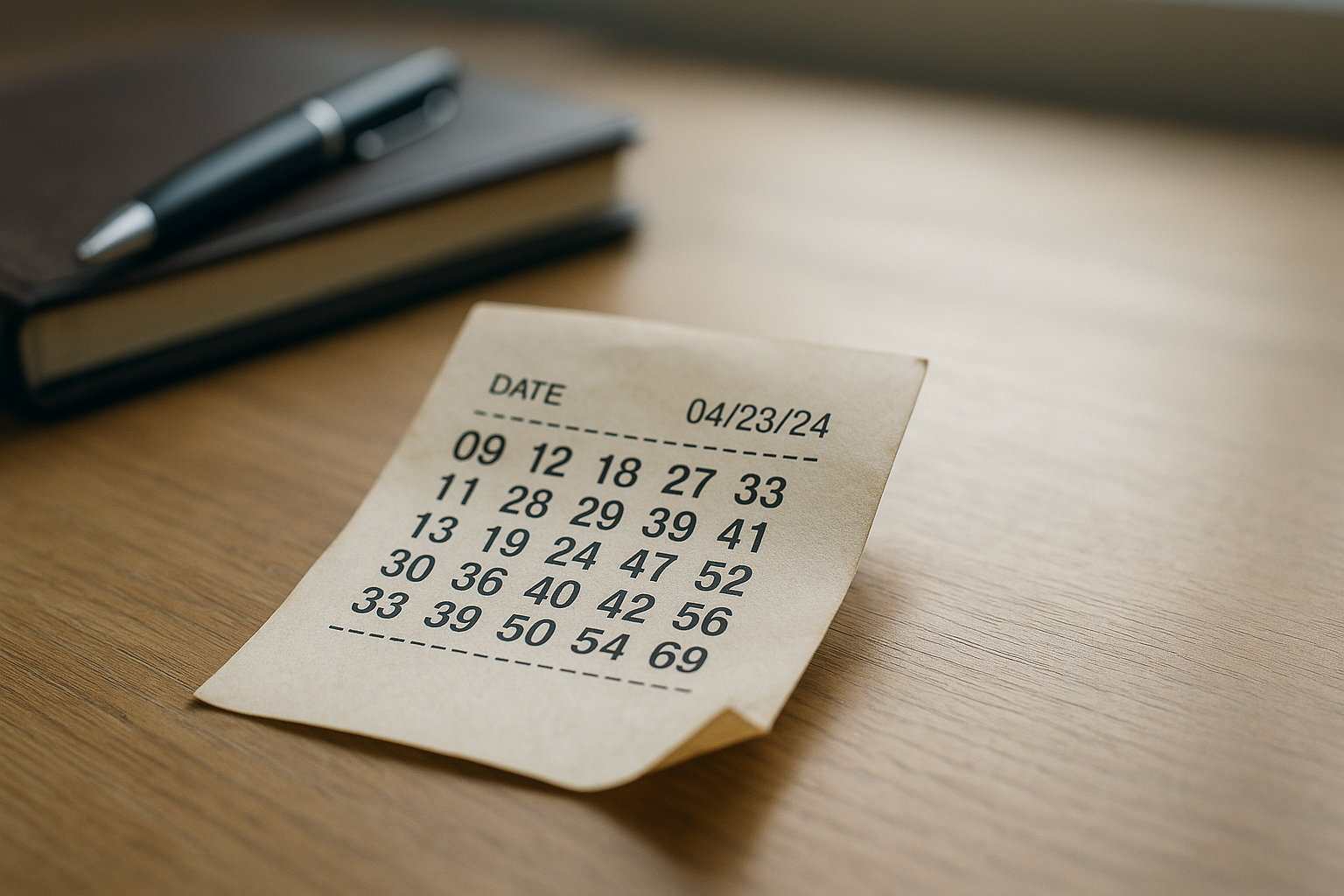
A former NFL player who once chaired Arizona's lottery commission has apparently backed a Circle K manager's account in a heated dispute over a $12.8 million jackpot prize. The case hinges on what happened to unpaid lottery tickets left at a convenience store counter, and whether the manager's subsequent purchase of those tickets entitles him to the winnings.
How the Tickets Changed Hands
The chain of events reads like a legal minefield. Customer Anna Kim asked a Circle K clerk for $85 worth of $1 lottery tickets but only had $60 on hand. The clerk left 25 unpaid tickets on the counter. Next morning, manager Robert Gawlitza discovered one of those abandoned tickets had won Arizona's "The Pick" lottery. He then allegedly removed his Circle K uniform and bought the remaining tickets from another employee for $10.
Gawlitza's attorney, Josh Kolsrud, argues this was standard practice. Circle K policy requires employees to purchase unpaid lottery tickets on behalf of customers who couldn't complete the transaction, or so he says. Six current or former Circle K employees apparently back this version of events.
The Former NFL Connection
What's caught industry observers' attention is Kolsrud's reference to a former Tampa Bay Buccaneers player who previously managed Circle K stores. That individual, believed to be Tony Bouie, later served as Arizona's lottery director before resigning in 2016. According to reports, Bouie has endorsed Gawlitza's account of how unpaid lottery tickets were typically handled at Circle K.
This endorsement carries weight. In regulatory circles, Bouie's prior experience with Arizona's lottery operations gives him real credibility on the technical and procedural aspects of the dispute.
Circle K's Counter and Regulatory Hurdles
Circle K isn't backing down. The company argues that regardless of internal practice, Arizona lottery regulations make the ticket transaction invalid. They've filed a motion to dismiss Gawlitza's counterclaims and are asking a judge to rule definitively on ownership of the winning ticket.
Kolsrud disputes this interpretation, contending that the circumstances don't clearly violate established lottery rules. The regulatory framework has ambiguities neither side is willing to concede.
What's Next
The court is expected to rule on Circle K's motion to dismiss within two months. If the case survives that hurdle, a jury trial could follow next year. Notably, Kim, the original customer, has stayed out of the lawsuit so far. Her involvement could become decisive if she decides to press a claim to the prize.
For those watching the iGaming and lottery space, this case shows how quickly procedural disputes can transform convenience store transactions into seven-figure legal battles. The outcome will likely influence how retailers and lottery operators interpret ticket sales regulations going forward.