Curaçao Regulator Ditches Compromised System After Major Data Breach
The Curaçao Gaming Authority has made the decisive call to scrap its compromised licensing platform entirely, replacing it with a temporary portal launching October 19th following a significant cyberattack that exposed over 40,000 documents tied to the region's gambling sector. Pragmatic? Yes. Does it signal some uncomfortable truths about regulatory modernisation? Also yes.
The Breach and Its Scope
The intrusion began in December 2025 and ran until September 2026, giving attackers nearly a year to work. Berlin-based cybersecurity researcher Lilith Wittmann has claimed responsibility for accessing and publishing sensitive materials: ownership declarations, license applications, regulatory assessments, tax documents. Most of Curaçao's licensed operators were affected. Authorities in Curaçao, Germany, and the Netherlands have all been notified.
That's substantial damage. Sensitive commercial data, ownership structures, regulatory assessments in the public domain. For operators relying on Curaçao's reputation as a stable licensing jurisdiction, this needed addressing directly.
Why Starting Fresh Makes Sense
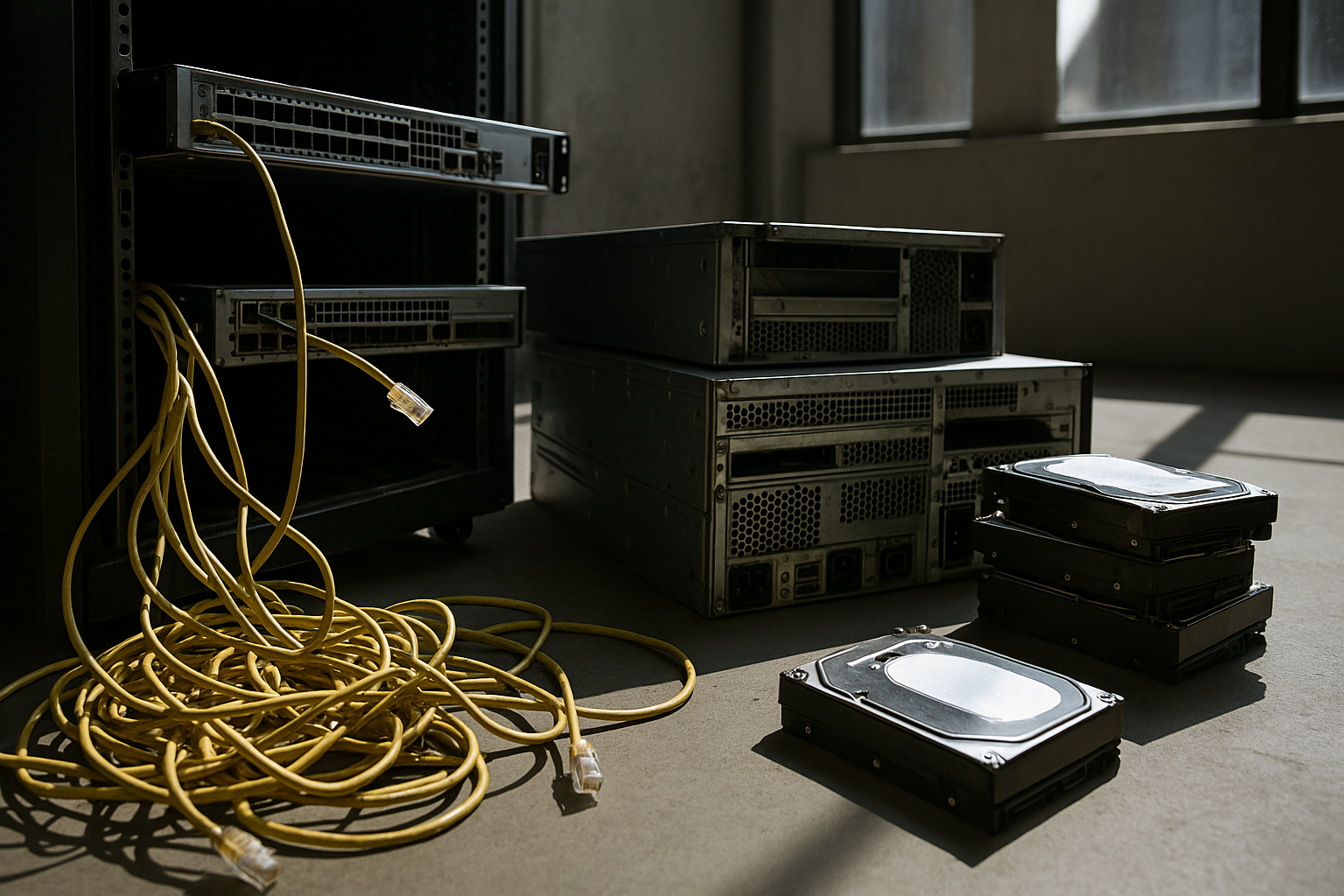
Rather than attempt repairs, the CGA has chosen to retire the old system completely. The temporary portal will handle applications and routine regulatory tasks while the authority builds a proper long-term proprietary platform. All systems will undergo thorough security testing before rollout.
This is sensible governance. Uncomfortable, maybe. But sensible. Trying to patch a system that's been compromised for nine months carries reputational and operational risk. Better to draw a line and rebuild than limp along with patched infrastructure.
The Underlying Issue: Reform at Speed
The real story traces back to Curaçao's 2023 gambling overhaul and the new National Ordinance on Games of Chance framework. The region aimed to replace its old licensing system, tighten oversight, counter international criticism of its regulatory standards. Fair enough. But the transition revealed vulnerabilities.
Curaçao initially relied on external specialists for technology, licensing, and supervision while building domestic expertise. A logical approach. The period between old and new systems, though, created gaps. The cyberattack exposed those gaps in real time.
What This Means for Operators
The CGA has confirmed that the closure of the old portal does not invalidate existing licenses. That's the critical reassurance. Operators won't face legal uncertainty, though the reputational fallout from a major breach affecting most licensees is harder to quantify.
The temporary system should restore basic functionality quickly. The longer play is the new proprietary platform, which will reportedly incorporate lessons learned and tighter security controls.
The Bigger Picture
Curaçao's regulatory refresh was necessary. The island needed to modernise its framework and strengthen oversight. What this cyberattack shows is that ambition needs to be paired with security architecture from day one, not bolted on afterwards. It's a costly lesson. But the CGA appears to be learning it properly.