ELK Studios Takes Pirots Franchise to Ancient Egypt with High-Ceiling Fifth Instalment
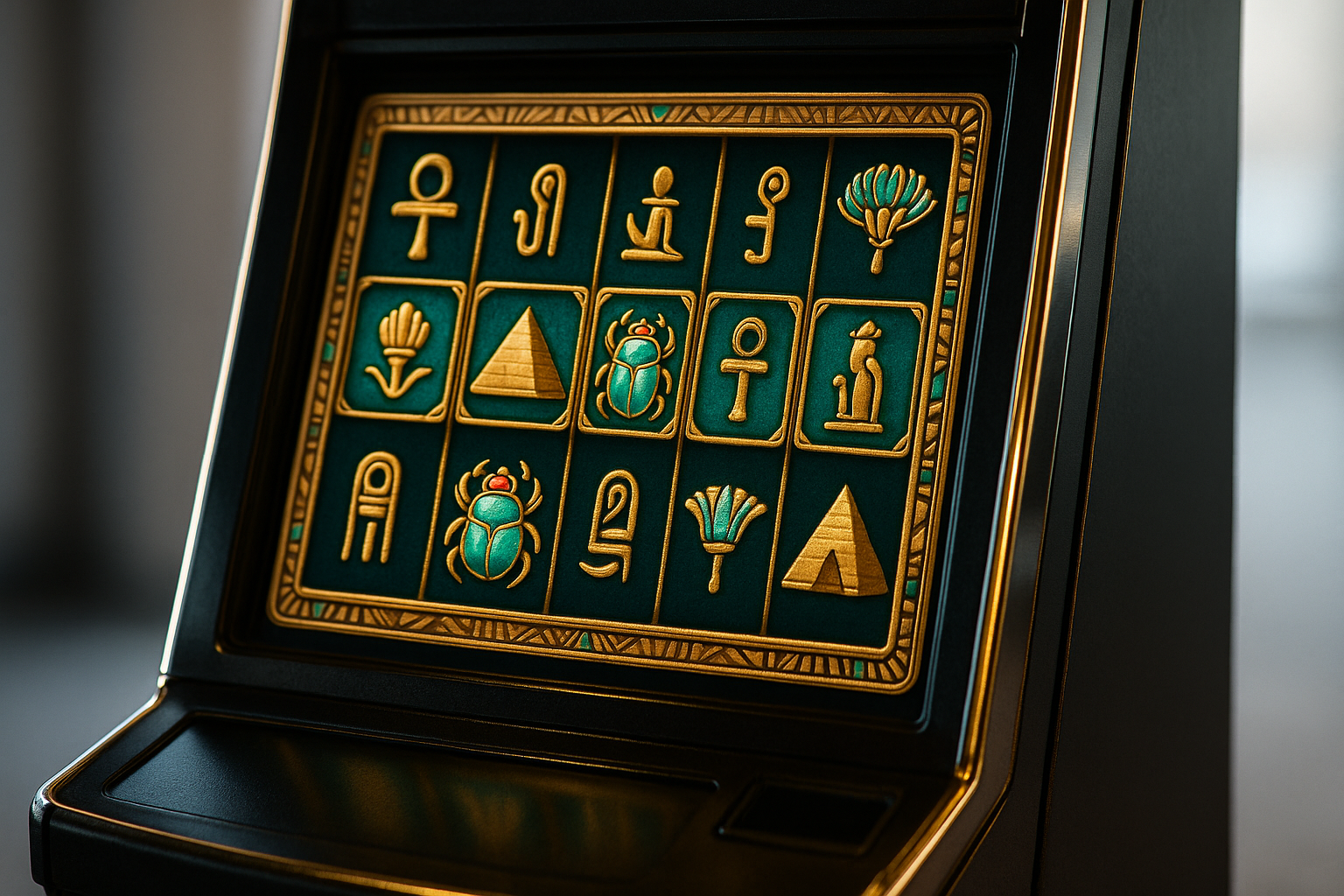
ELK Studios has launched Pirots 5, the latest chapter in its long-running grid collection franchise. This time, they've swapped the series' signature space setting for an ancient Egyptian temple packed with hazards, transformations, and a top payout of 10,000 times stake. The release marks another evolution of the CollectR engine that's become central to the studio's mechanical identity.
From Deep Space to Temple Traps
The theme shift carries real weight here. Pirots has always been ELK's showpiece for pushing its proprietary technology, and each entry tends to arrive as proof of concept for whatever the studio's willing to attempt next. Rather than overhaul the formula, Pirots 5 keeps the core collection loop intact but wraps it in a stronger narrative: the birds have crash-landed in a cursed temple, and they're up against Captain Blackfeather, a former ally turned rival who serves as the primary mechanic amplifier.
That story framing matters. It justifies the new hazards and bonus layers without feeling bolted on. The temple becomes both setting and mechanical justification, which is the kind of integrated design thinking that separates competent sequels from the genuinely ambitious ones.
Grid Expansion and Cascading Sequences
The core gameplay remains recognisable. Players work with four coloured collector birds on a 6x6 grid that expands to 8x8 during certain features. The birds gather adjacent gems matching their colours, triggering cascades. Grid expansion is the structural lever here, widening the collection space and extending scoring chains in ways that create longer, more explosive single sequences.
Where Pirots 5 gets interesting is how Blackfeather functions as a volatility amplifier rather than simple decoration. He converts collected symbols into higher-value gems and reshapes the collection cycle mid-sequence, which stretches individual chains and pumps the payout potential higher. Layered beneath that are persistent progression systems, traps that add secondary modifiers, and direct bonus access through the X-iter feature entry system.
Math Built for Repeat Sessions
The maths profile positions this firmly as a high-ceiling release with medium-high volatility. The highest RTP sits at 96%, and that reward weight concentrates into deeper bonus escalation rather than steady base-game hits. This is the kind of variance profile that rewards experienced grid-slot players who understand where the genuine value sits and are comfortable grinding towards the bigger sequences.
It's a deliberate choice. By keeping the CollectR framework familiar while adjusting the ceiling and modifier mix, ELK essentially invites returning players back into a comfortable mechanical space while offering enough new wrinkles to justify another look. That's become standard practice for studios building mechanical families, and frankly, it works because recognition breeds player confidence.
Pirots 5 reinforces why the Pirots name matters to ELK's portfolio. The studio has treated the CollectR mechanic as a platform it can re-theme, extend, and upgrade across multiple entries. From space to ancient temples, the travelling birds have given ELK Studios a cornerstone franchise that can absorb new features, new narratives, and new ceiling heights without losing its core identity. That's the mark of genuine mechanical architecture.