Reno's Gaming Renaissance: How GSR's $500m Arena Signals a Major Shift
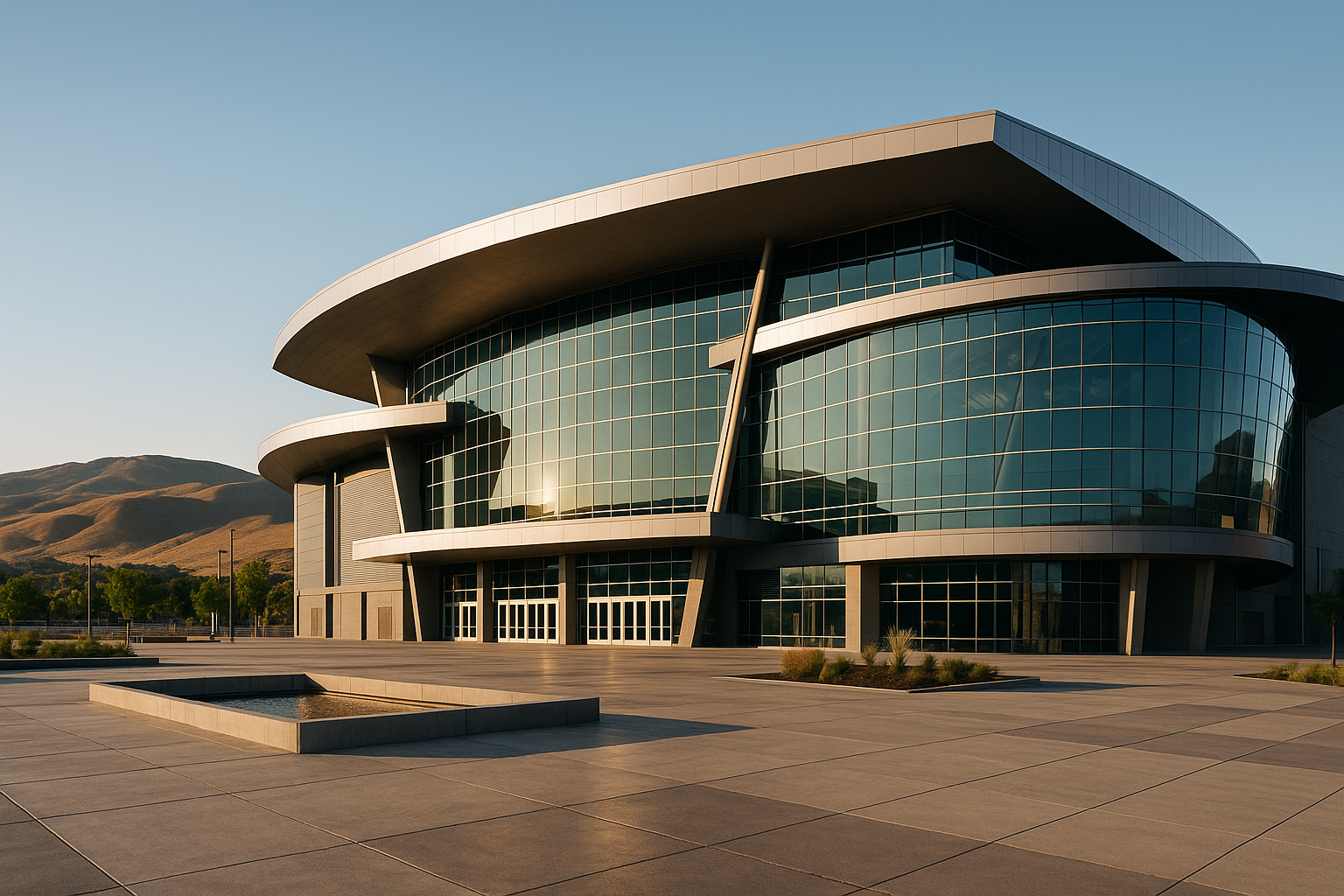
Reno's gambling and tourism landscape is entering a new era. Three years into construction, Grand Sierra Resort's ambitious 10,000-seat arena is moving from blueprint to reality, and frankly, it's emblematic of something far larger: a fundamental reshaping of Nevada's regional gaming economy outside Las Vegas.
A Project Scaled for Ambition
Billionaire Alex Meruelo's arena, anchored by University of Nevada athletics, represents the largest private investment in Reno's history as part of a broader $1 billion multi-phase expansion. What started as a $350-375 million proposal has ballooned to $450-500 million as Meruelo commits to world-class design standards. Weather permitting come winter, the arena is on track for a 2028 opening.
GSR's Chief Marketing Officer Chris Abraham put it plainly: "We're out of the ground, we have walls, we have foundations, all the underground work is basically done, so now it's the fun time when we can actually start building up." The design nods to cutting-edge venues including the Intuit Dome in California and the Moody Center at the University of Texas.
Hockey and the Meruelo Factor
Professional hockey is also in the mix, though Abraham was honest about it: the details remain unsettled. Meruelo's ownership of the NHL's Arizona Coyotes ended in 2024 after the league lost confidence in his arena strategy, but he kept the Tucson Roadrunners AHL franchise. A potential Roadrunners relocation to Reno would slot neatly alongside the arena's 2028 timeline, though neither the move nor the specific hockey format has been locked in.
The university partnership, brokered between Meruelo and President Brian Sandoval, underscores how deeply this project is woven into Reno's civic and business infrastructure. Sandoval, a former Nevada governor and Gaming Commission chair with deep ties to MGM Resorts, has maintained a relationship with Meruelo since he acquired GSR in 2011.
The Recruitment Imperative
For Nevada Athletics, this arena addresses a genuine competitive challenge. Athletic Director Stephanie Rempe didn't mince words about the realities of modern college sports: in the name, image and likeness era, a state-of-the-art venue is necessary but not sufficient. Winning rosters must be built first. The arena becomes a recruiting asset only after the programme attracts talent, creating a virtuous cycle when it works.
A major casino property hosting NCAA Division I athletics remains genuinely rare. It's a model few destinations can replicate, positioning Reno as distinctly different within the regional gaming market.
Momentum and Market Timing
The timing looks right. Reno's gaming sector has been quietly outperforming expectations, and the GSR expansion signals real confidence from a major operator that the market can handle significant capital deployment. Whether the arena becomes a flagship venue for professional hockey, a recruiting accelerator for university athletics, or something entirely different, the project represents a fundamental bet on Reno's future beyond the casino floor.
For a region long overshadowed by the Strip, that's significant.