Kangwon Land Profits Collapse 47% Despite Casino Revenue Growth
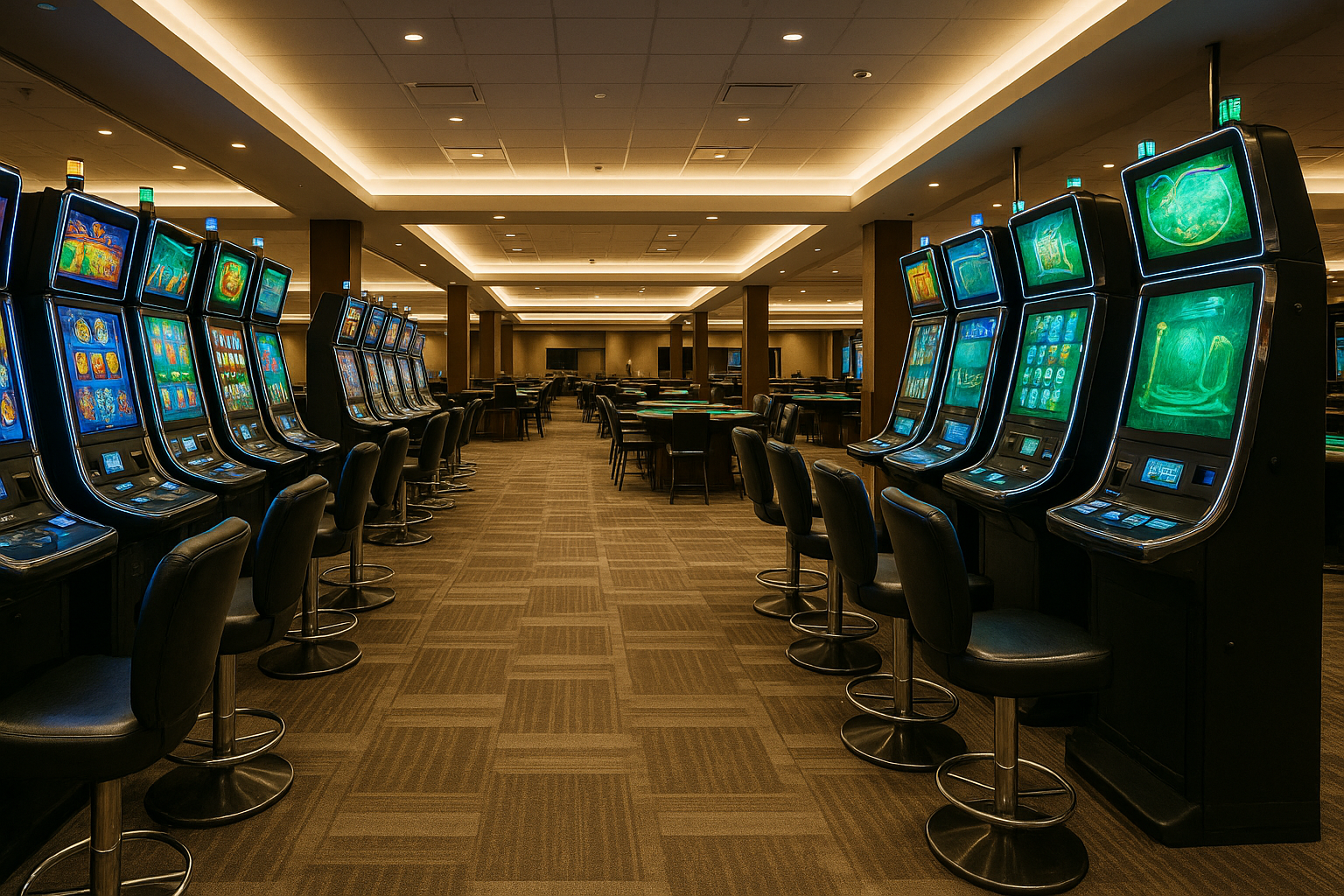
South Korea’s domestic casino monopoly Kangwon Land just reported a sharp 47% year-on-year collapse in net profits for the first quarter of 2026. The mixed picture is striking: High1 resort operator posted modest revenue gains, sure, but the bottom line tells a different story altogether.
The Numbers Tell a Complex Story
The operator, which runs High1 in Gangwon Province, pulled in 378.9 billion won in total revenues ($256 million) during Q1. That’s a 3.4% increase compared with the same quarter last year. Casino revenues specifically climbed 4.5% to 360 billion won ($244 million), a performance the company pinned on raising betting limits on baccarat tables alongside broader service improvements.
Yet operating profits fell to 68.9 billion won ($46.6 million), down 7.2% year-on-year. The net profit collapse? Even grimmer. The issue isn’t casino performance but everything else, and frankly, it’s a familiar pressure across the sector right now.
Costs Eat Into Growth
Operating expenses jumped 6.2% to 310 billion won ($210 million), outpacing revenue growth and squeezing margins significantly. Non-casino revenues, typically a crucial diversification stream for resorts, actually contracted 2% to 48.6 billion won ($32.9 million). That combination is brutal for bottom-line performance.
What’s particularly notable is Kangwon Land’s privileged market position. High1 remains South Korea’s only casino legally permitted to accept domestic passport holders, making it an effective monopoly in the country’s regulated betting market. Rival operators like Grand Korea Leisure, which runs the Seven Luck brand, can only serve foreign visitors. That structural advantage ought to insulate Kangwon Land from typical competitive pressures. Yet profitability is still under strain.
Market Sentiment Defies the Data
Investors, interestingly, aren’t particularly worried. Kangwon Land’s share price has risen 2.4% over the past five trading days, and broader sector confidence appears intact despite industry-wide headwinds. Grand Korea Leisure, facing similar profitability challenges, is proceeding with strategic moves like the ceramics exhibition at its Gangnam venue. That suggests longer-term confidence in the market.
But that optimism might seem puzzling given recent warnings. A lawmaker revealed last month that illicit gambling networks in South Korea now represent around 96 trillion won ($65 billion) in value. The National Police Agency also flagged that illegal youth gambling cases surged 62% last year. Enforcement challenges like these could eventually affect licensed operators.
Kangwon Land’s first quarter results illustrate the modern casino operator’s challenge with real clarity: growing core gaming revenue means little if operational costs rise faster. For a monopoly operator, that’s a particularly uncomfortable position to be in.
What the team thinks
Philippa Ashworth says:
Carl’s piece highlights a critical disconnect that deserves more scrutiny: while Kangwon Land’s casino segment shows resilience with revenue growth, the 47% profit collapse signals either aggressive cost inflation, operational inefficiencies, or strategic investments that aren’t yet reflected in the top line, a pattern we’re seeing across Asian gaming operators as they navigate post-pandemic labor normalization and competitive pressures. The real story isn’t whether casino revenue grew, but rather whether management is effectively converting that revenue into shareholder value, which should prompt investors to dig deeper into the non-gaming segments and operating leverage trends Carl’s snapshot doesn’t fully explore. For a monopoly operator in a mature market like South Korea, this kind of margin compression is particularly troubling and warrants investigation into whether regulatory changes or market saturation are beginning to squeeze what should be a highly profitable franchise.