MGM China Posts 10% Revenue Growth as Mass Gaming Surges Past VIP Slowdown
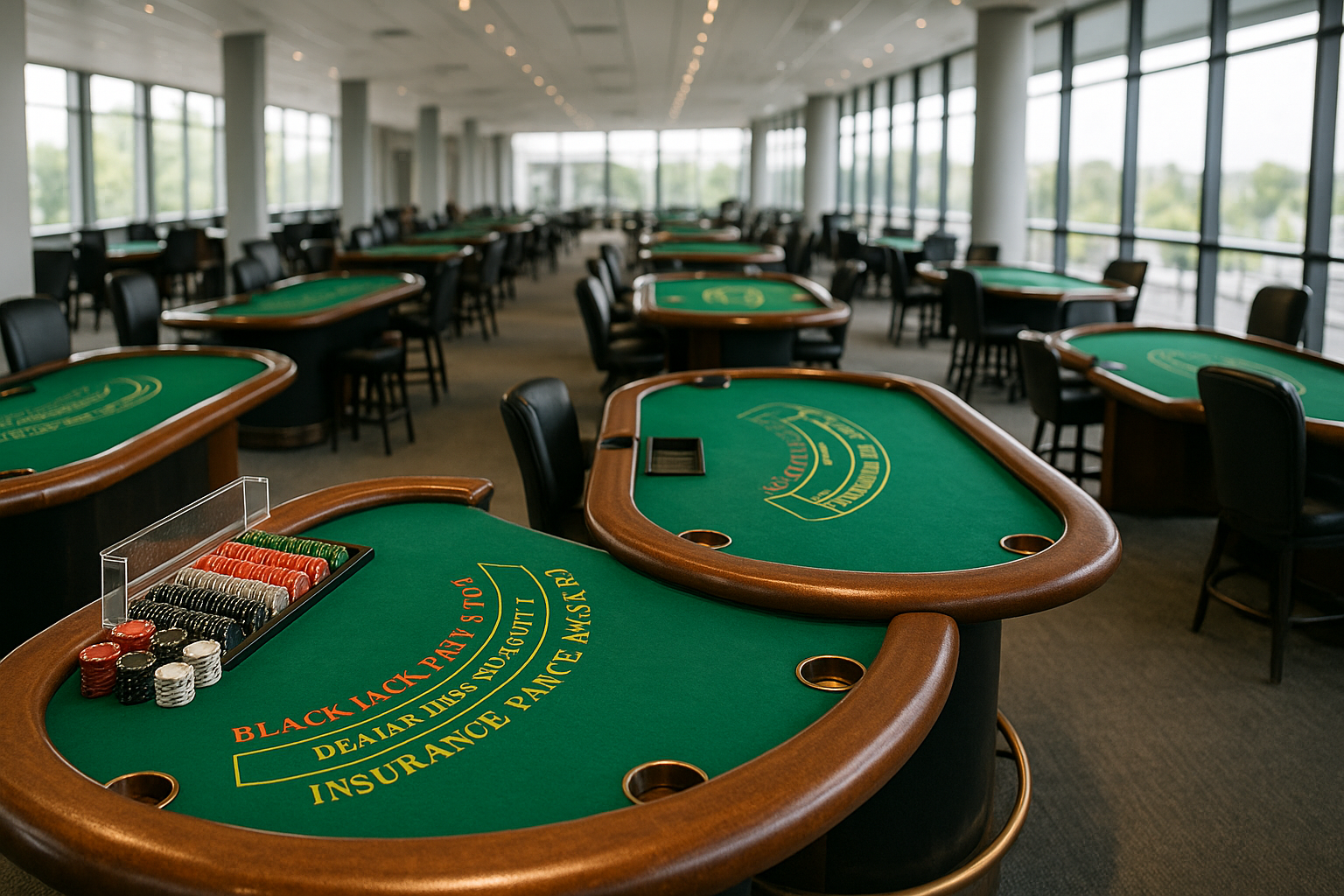
MGM China has delivered a solid first quarter performance, with net revenues climbing to HK $8.8 billion (approximately $1.15 billion), up 10% year-on-year. Yet the headline figure masks a familiar tension in Macao’s market right now: mass gaming is firing on all cylinders while the VIP segment shows real signs of fatigue.
The VIP Reality Check
That’s where the nuance kicks in. The operator’s VIP hold rate contracted by one percentage point to 2.5%, and the VIP market itself contracted by 5.2% during the quarter. For those unfamiliar with the jargon, hold rates measure win percentage from high-rolling players, so these numbers represent genuine softness in that traditionally lucrative segment.
This isn’t unique to MGM, mind you. It reflects a broader shift in how Macao’s gaming economy is reshaping itself. The days of pure VIP dependency are clearly fading. Operators are adapting, and fast.
Mass Gaming Hits Record Heights
The flip side tells a much more encouraging story. Average daily casino revenue jumped 13%, with mass gaming (including slots) climbing an impressive 19% to reach record levels. That kind of performance suggests the operator has successfully diversified its revenue streams and captured demand across a broader customer base.
The operational metrics back this up. Hotel occupancy ticked up to 93.9%, and the company maintains a healthy liquidity position of HK $25 billion (around $3.3 billion) as of March 31. The financial picture remains stable.
Tourism Headwinds and Opportunities
The broader Macao tourism landscape is more complicated. Tour groups from Mainland China dropped 20% year-on-year to 385,000, which is meaningful. But international tour groups climbed 16% to 65,000, with particularly strong growth from Southeast Asia and India. International guest arrivals jumped 60% from Thailand and 51% from India, demonstrating where new demand is actually emerging.
What could shift the needle quickly is the upcoming May Golden Week holiday period. China’s Labour Day (May 1) aligns this year with a five-day break through May 5, whilst Japan’s Golden Week runs through May 6. The Macao Tourism Bureau is forecasting 800,000 visitors during this window, with peak daily arrivals hitting around 160,000. Hotel occupancy is expected to reach 90% in early May.
Growth Trends and Security Concerns
February’s data showed encouraging momentum, with casino revenues climbing 4.5% and beating analyst forecasts by 3.5 points, pushing gross gaming revenues above the $2.5 billion mark for the month.
One sobering note: Macao police have flagged rising gambling-related crime and stepped up enforcement operations, including crackdowns on illegal tour guides and unlicensed hotels. With the busiest season approaching, authorities are clearly taking these matters seriously.
For MGM China specifically, the broader picture is encouraging. The operator is one of only six licensed concessionaires in Macao, managing two premier integrated resorts across the peninsula and Cotai districts. The Q1 results suggest it’s positioned well to capitalise on where the market is actually heading.
What the team thinks
Baz Hartley says:
Carl’s got the fundamentals right here, and it’s refreshing to see him acknowledge that headline growth can obscure real market shifts, but I’d push back slightly on treating the VIP contraction as merely a “tension”—it’s actually a structural correction that’s long overdue and ultimately healthier for operators willing to adapt their margins accordingly. The real story worth digging into is whether MGM’s mass gaming gains are sustainable or just capturing market share from operators still chasing that VIP mirage, because if it’s the latter, we’re looking at a genuinely positive pivot toward more predictable, relationship-based gaming rather than the high-volatility whales that made Macao’s economy so fragile in the first place.