MGM National Harbor Ends Free Parking After a Decade, Betting on Loyalty Programme Growth
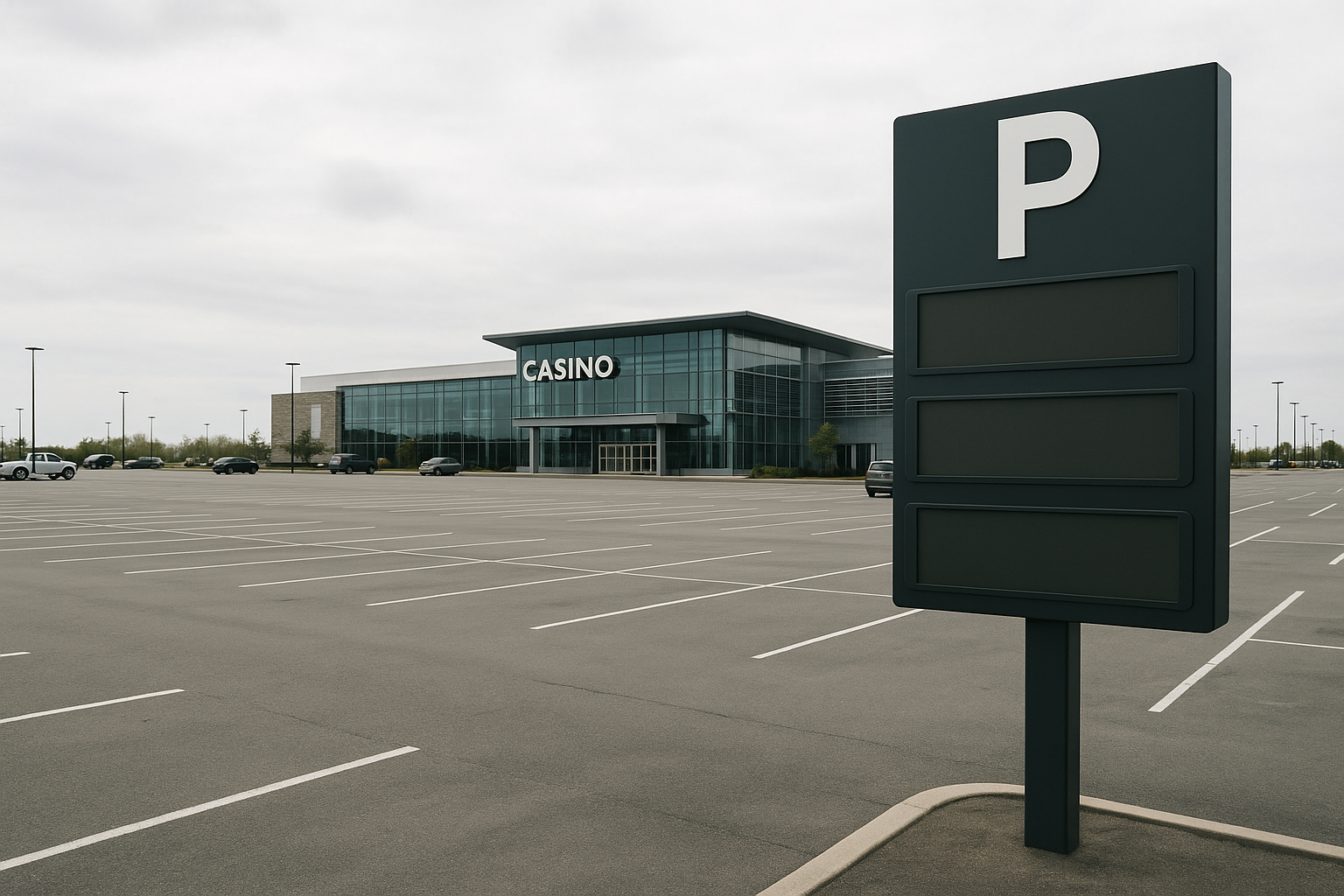
MGM National Harbor is ditching one of its longest-running competitive advantages. From 13 July 2026, the Oxon Hill resort will charge non-members $15 for self-parking in its garage, ending nearly a decade of complimentary parking that had set it apart in a crowded regional market.
The Loyalty Programme Angle
Here’s the catch: free-to-join MGM Rewards members won’t pay a thing. They’ll keep complimentary parking for themselves and one guest, making the casino’s long-standing loyalty programme suddenly more valuable. It’s a smart move strategically, though one that’s already stirred up plenty of debate among regulars.
The split decision cuts both ways. Some visitors reckon the fee will simply filter out casual drop-ins, leaving prime spaces for genuine gamblers and hotel guests. Others see it as a straightforward money grab that adds another layer of cost to an already expensive day out.
Competitive Pressure Looming
The real question isn’t whether players will grumble. They will. It’s whether they’ll simply drive five minutes to Live! Casino & Hotel Maryland instead. MGM’s biggest rival continues offering free garage and surface parking with no strings attached, which suddenly looks rather attractive when you’re weighing up where to spend your afternoon.
MGM insists this move has nothing to do with the two fatal incidents in its parking garage over recent years, including a road rage incident in late June. The company claims the decision was planned months ago, tied instead to broader development pressures in the area.
Future-Proofing the Resort
There’s genuine logic behind the timing. The upcoming Sphere National Harbor, a 6,000-seat immersive entertainment venue backed by Madison Square Garden Entertainment, is set to break ground in early 2027 and could pull millions of additional visitors annually. That kind of footfall surge will strain parking capacity across the entire district.
By monetising parking now, MGM accomplishes two things: it generates incremental revenue and creates natural demand management before the real squeeze arrives. Whether it’s enough to offset defections to competitors, though? We’ll see.