Pennsylvania Regulators Fine MGM and CountR Over Licensing Violations
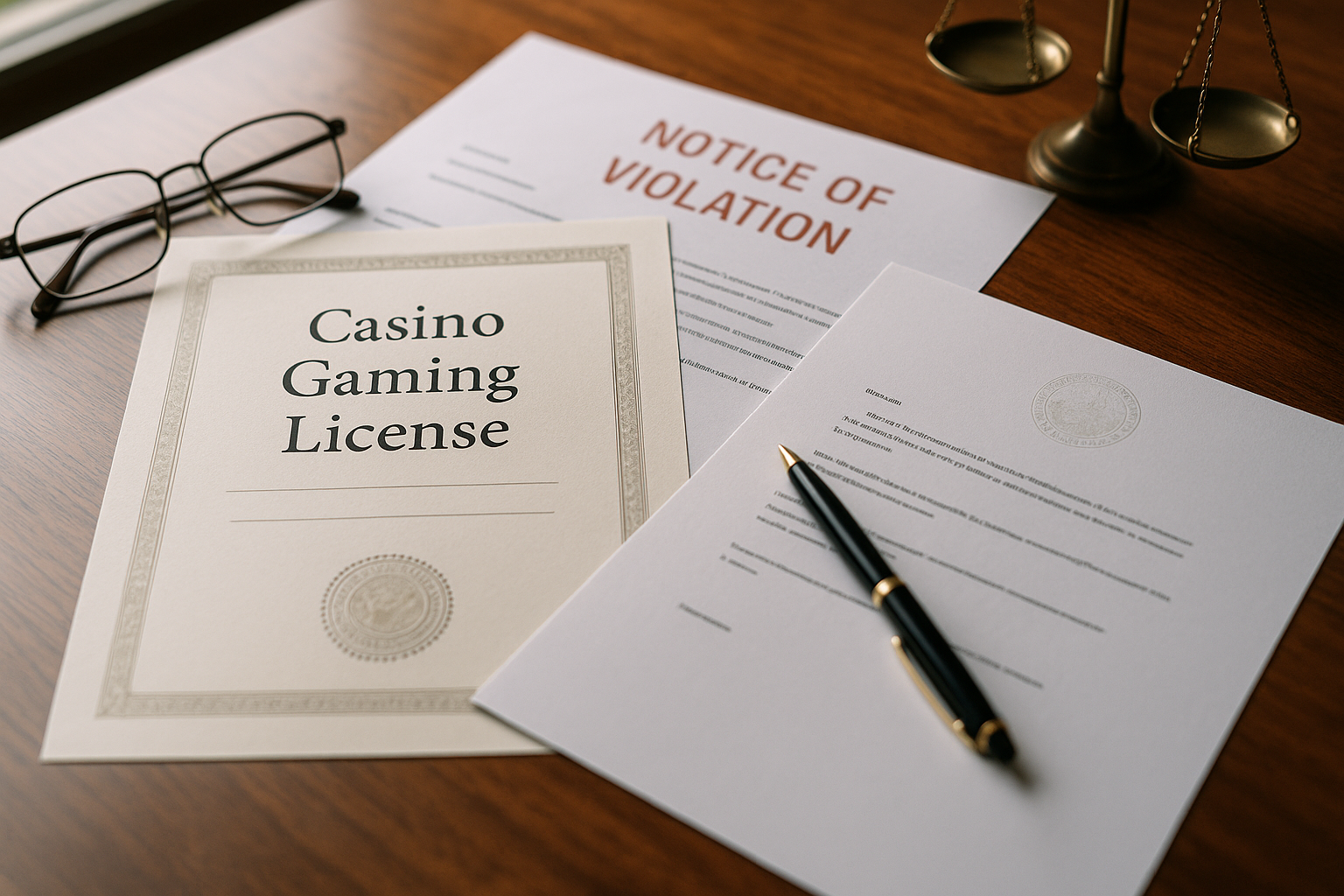
The Pennsylvania Gaming Control Board has come down hard on two licensed operators, slapping them with combined fines topping $100,000 for separate licensing breaches.
MGM Resorts International is facing a $50,250 penalty after failing to file a principal licensing application within the required timeframe. Meanwhile, German-based CountR GmbH was hit with $50,000 for an unapproved change of control and failure to remit mandatory licensing fees.
MGM's Filing Failure
MGM's violation centres on something straightforward but absolutely crucial: officers and directors who need principal licenses must submit completed multi-jurisdictional personal-history disclosure forms and Pennsylvania supplements within 30 days of taking their roles. Let someone work in that capacity without finishing the paperwork, and frankly, you're operating without proper licensure.
The PGCB determined this breached the Pennsylvania Race Horse Development and Gaming Act. The regulator declined to name the employee responsible for the oversight.
CountR's Control Issues
CountR's situation is messier. The company supplies kiosks and ticket-redemption equipment to regulated venues across Pennsylvania. They made a change of control without getting PGCB approval, then neglected to pay the associated licensing fees. The firm currently holds both slot machine and table games licenses.
As part of the settlement, CountR agreed to jump through some hoops. They have to confirm the accuracy of all information they've previously provided to the Board regarding principal affiliates, subsidiaries, key staff and registrants. On top of that, they've committed to tipping off the PGCB confidentially if they suspect any false information was submitted.
The Bottom Line
These actions show just how seriously Pennsylvania's regulator takes operational compliance. Paperwork looks bureaucratic, sure, but licensing requirements exist for good reasons: transparency, accountability, maintaining the integrity of the licensed operator base. For players, tighter oversight means stronger consumer protections, even if the violations themselves look purely administrative on the surface.