South Korea’s Foreigner-Only Casinos Capitalise on Tourism Recovery
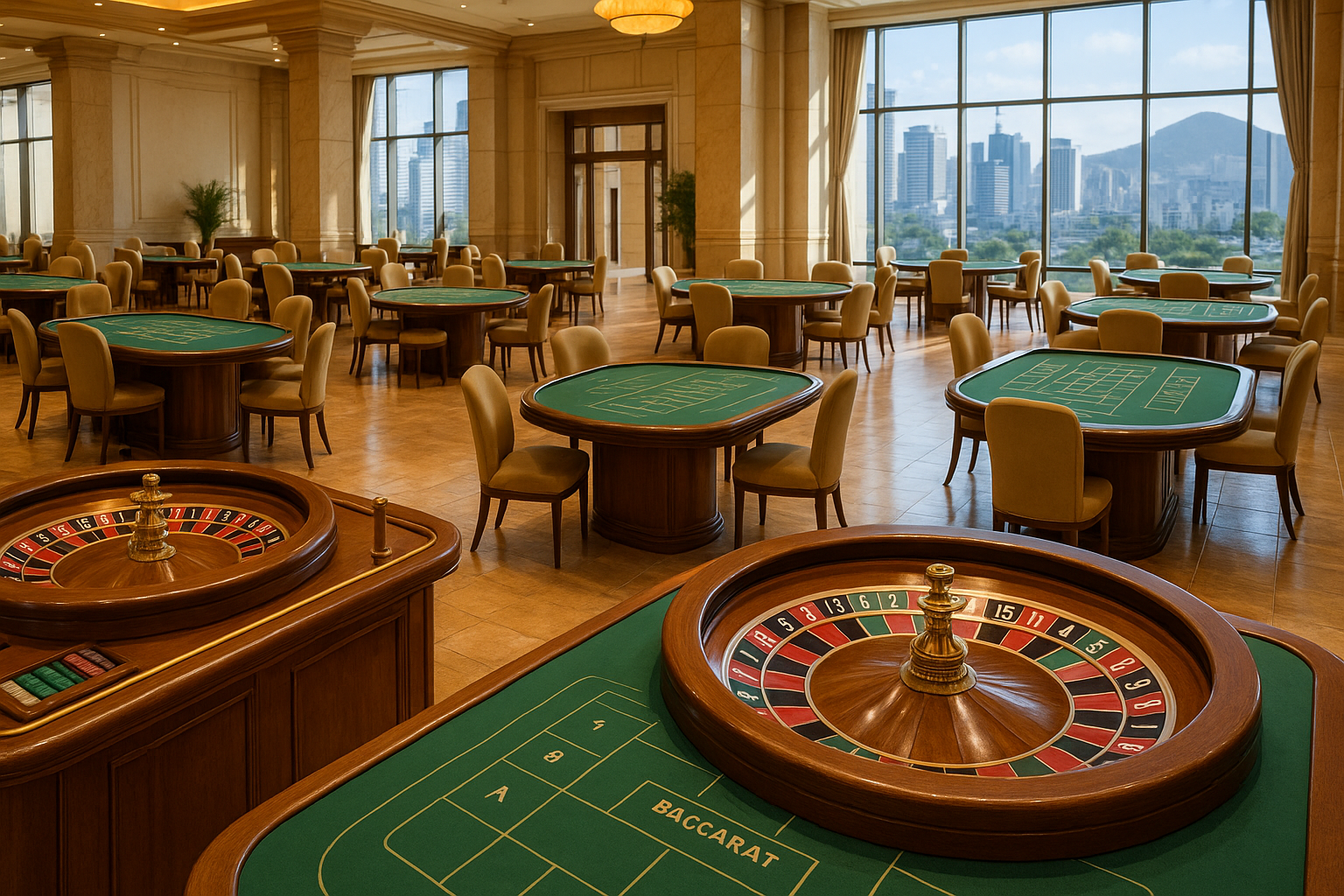
South Korea’s foreigner-only casino sector is firmly riding the wave of returning international tourism. Two premium properties are demonstrating just how tangible the benefits can be, with strengthening visitor flows and favourable market conditions clearly at play.
According to Shinhan Securities analysis, both Paradise City in Incheon and Jeju Dream Tower are posting exceptional results. May data provides the clearest evidence yet that the tourism recovery is translating directly into casino performance.
Record Performance at Paradise City
Paradise Co Ltd’s flagship Incheon property achieved record-breaking results in May, setting all-time highs for both drop amount and revenue. Multiple tailwinds converged at once. The recently opened Hyatt Regency hotel wing expanded capacity, driving longer stays and increased gaming activity among guests. Natural uptick in foreign visitor arrivals further bolstered foot traffic.
Shinhan’s analyst Ji In-hae highlighted the compound effect of these factors, noting that incremental hotel inventory directly correlates with extended casino engagement. Perhaps more intriguingly, concerns about Paradise Co’s exposure to Japanese customers potentially alienating Chinese players amid broader geopolitical tensions appear overblown. While Japanese VIP table activity has moderated, the company has successfully compensated through strength in Chinese mass-play and VIP segments from other customer categories.
The brokerage identified two potential catalysts for further expansion: a possible widening of South Korea’s visa-free entry scheme for Chinese nationals, and projected growth in foreign arrivals to Busan in the second half of 2026, where Paradise Co operates a casino hotel.
Jeju Dream Tower’s Capex Payoff
Lotte Tour Development’s Jeju Dream Tower has similarly benefited from the tourism rebound. Strategic investments are yielding measurable returns. The property recorded just over 63,000 casino visits in May, its highest monthly figure since opening. This underscores the property’s effective positioning toward the Chinese market, a segment increasingly accessible through expanding air routes and favourable travel economics.
Structural Tailwinds Supporting Growth
Beyond casino-specific factors, broader macroeconomic and geopolitical developments are supporting the sector. A relatively weak Korean won is making South Korea an attractive destination for international visitors. Airlines are strategically reallocating capacity toward short-haul Asian destinations, benefiting Korean tourism. Most significantly, South Korea and China recently reached a landmark agreement on mutual air traffic expansion, the first such accord since 2019. This signals genuine warming of travel relations and promises sustained growth in the critical Chinese visitor segment.
For investors and operators tracking the sector, the convergence of these factors suggests the tourism recovery narrative has substantial runway ahead.
What the team thinks
Sheena McAllister says:
Ashworth’s piece rightly highlights South Korea’s smart regulatory approach, though I’d argue the real story here extends beyond tourism recovery. The foreigner-only casino model actually demonstrates how jurisdictions can maintain strict domestic protections while capturing international gaming revenue, a balance that UK regulators have struggled to achieve despite our own tourism appeal. What’s particularly instructive for compliance professionals is how South Korea’s licensing framework creates a clear segmentation that minimizes social harm concerns, something worth examining as we debate whether tighter affordability controls in Britain might benefit from similar structural clarity rather than blanket restrictions.