Texas Senate Weighs Prediction Markets in Fractious Legislative Hearing
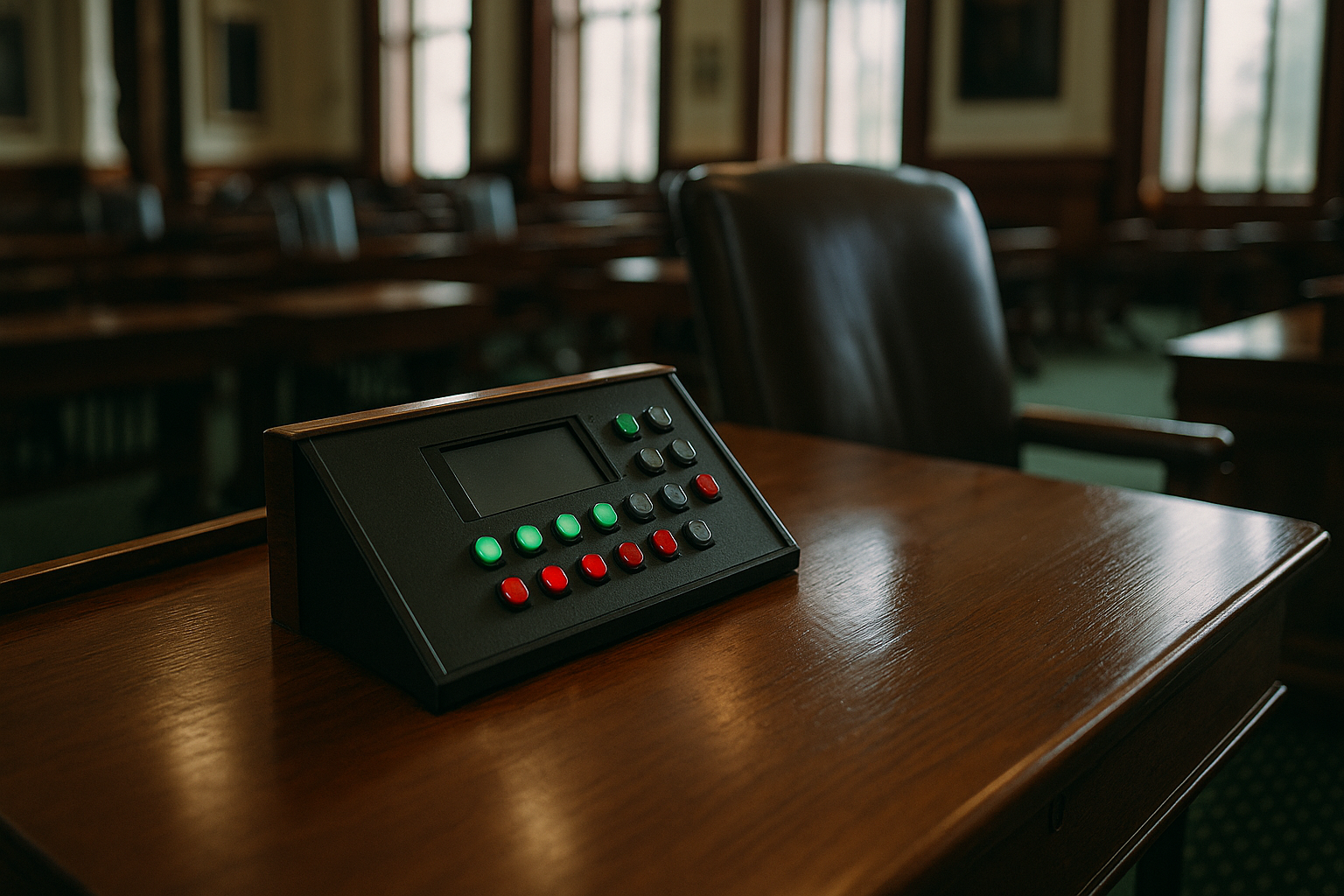
A contentious Senate hearing in Texas this week laid bare the deepening regulatory fault lines around prediction markets, as the state grapples with whether federally regulated event contracts constitute illegal gambling in disguise. The 62-minute session before the Senate Committee on State Affairs featured duelling perspectives from the American Gaming Association and Kalshi, the leading US prediction market operator, with Texas lawmakers signalling they may move aggressively to block the platforms ahead of the 2026 election cycle.
Record Trading Volume Sets Political Stage
The hearing arrives as prediction market activity in Texas has reached extraordinary levels. Last Sunday's NFL matchup between the Dallas Cowboys and New York Giants generated more than $208 million in trading volume across US markets, according to Aldrin Research. Kalshi alone captured record activity for any regular-season game in its history. College football contests proved equally popular, with the Ohio State versus Texas matchup in September producing over 50.7 million contracts traded in a single day.
This explosive growth isn't incidental. Research from Eilers and Krejcik Gaming found that 43 percent of all US sports event contract activity concentrates in just two states: Texas and California. For a regulatory jurisdiction evaluating the phenomenon, those numbers carry unmistakable weight.
Fundamental Disagreement on Classification
The core dispute centres on whether event contracts represent a novel financial instrument or merely disguised sports wagering. The AGA, one of the prediction market sector's sharpest critics, presented testimony arguing that functionally, an event contract on a Cowboys victory differs nothing from placing an identical wager at a licensed sportsbook. Since Texas prohibits sports betting, their position implies prediction markets should face the same prohibition.
Kalshi's legal counsel Robert DeNault offered a different view. CFTC regulated prediction markets offer meaningful protections unavailable through offshore operators, he countered, suggesting that aggressive state action would simply drive Texans toward unregulated alternatives lacking consumer safeguards.
State Senator Bob Hall framed it more bluntly. "They're different costumes on gambling," he remarked, advancing the view that prediction markets merely obscure the fundamental wager.
Political Headwinds and Future Trajectory
Texas's political leadership has historically opposed sports betting expansion, with Lt. Governor Dan Patrick wielding considerable influence over the Senate agenda. That dynamic likely shapes prediction market regulation as well. The AGA's Tres York recommended that Texas pursue geofencing requirements to block platform access statewide and pursue litigation in state rather than federal courts, where state attorneys general have found less traction historically.
The hearing also surfaced concerns about platform design decisions. Reports indicate that at least one prediction market operator permits users over 17 to link investment accounts for event contract trading. Problem gambling researchers testifying before the committee flagged this as particularly hazardous for younger consumers developing their financial decision-making patterns.
With 2026 elections on the horizon and major offices in play, expect prediction markets to feature prominently in Texas regulatory debates and, quite possibly, in campaign platforms across the state.